
Characteristics and care of the columnar apple tree of the Vasyugan variety
Content
Description of the variety
Before describing the variety, let's delve a little into its history. The columnar apple tree Vasyugan owes its origins to specialists from the Moscow Institute of Horticulture. They successfully crossed the dwarf Brusnichny apple with the columnar KV5. After testing, the new hybrid was sent for propagation in 1995. Today, it is very popular among gardeners in central Russia.
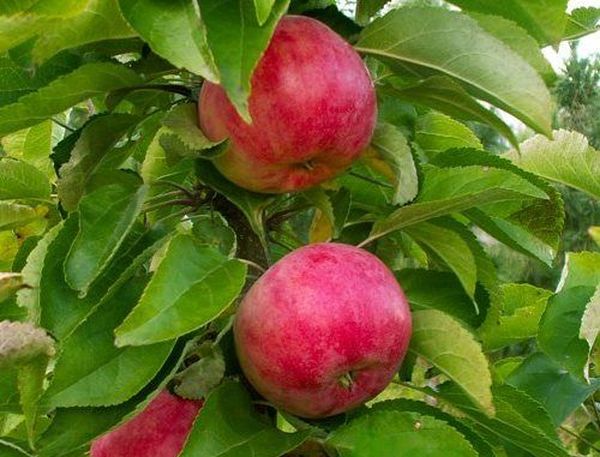
Externally, the Vasyugan columnar apple tree is a semi-dwarf type tree. It can reach its maximum height (3 meters) at 6-8 years of age. The crown develops into a single trunk. It has abundant foliage. According to gardeners, this columnar apple tree produces fruit weighing approximately 100-150 grams each.
Individual specimens can weigh even more. They are cone-shaped. The skin is yellow-green with a distinctive reddish-pink blush. Inside, the flesh is creamy or white. It is quite juicy and fine-grained. The fruits have a sweet and sour taste and a pleasant aroma.
Main characteristics
According to reviews, the fruit ripens in the third ten days of August to early September. The first fruit harvest occurs a year after planting. However, normal fruiting begins after four years and continues for approximately 15 years. To ensure a regular harvest, it is recommended to plant this variety every 10 years. The average yield is 5–6 kg, with a maximum of 10 kg per crop.
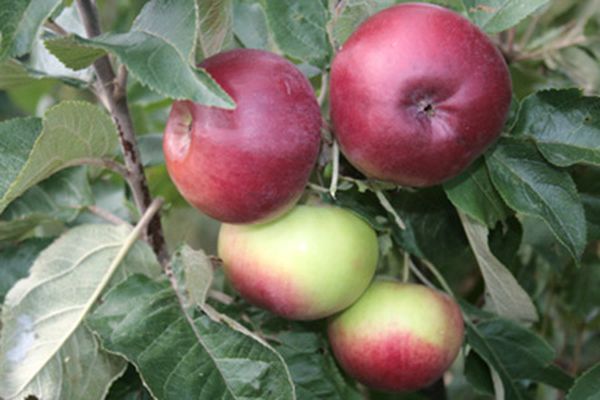
The fruits are quite firm and withstand long-distance transportation well. If harvested and stored properly, fresh fruit can be enjoyed for up to a month. This variety is highly winter-hardy, withstanding temperatures as low as -42°C. This makes it possible to cultivate these apple trees in the Urals and the Far East. The variety's resistance to disease depends largely on the care provided. The fruits are versatile.
Growing and care
To plant and grow the remarkable Vasyugan apple variety, you need to choose your seedlings wisely. The planting hole should be large enough to accommodate the root system. The hole should be up to 90 cm deep, with a minimum spacing of 40 cm between seedlings and up to 1 meter between rows. The soil should be fertile, and the groundwater level should be well below the surface.
Regular watering is essential for caring for this columnar plant. However, it's recommended to avoid stagnant water to prevent root rot. This variety doesn't require crown shaping or pruning. However, if frost damages the apical bud, all shoots will need to be pruned, except for the most viable ones. The cut area should be treated with lime.
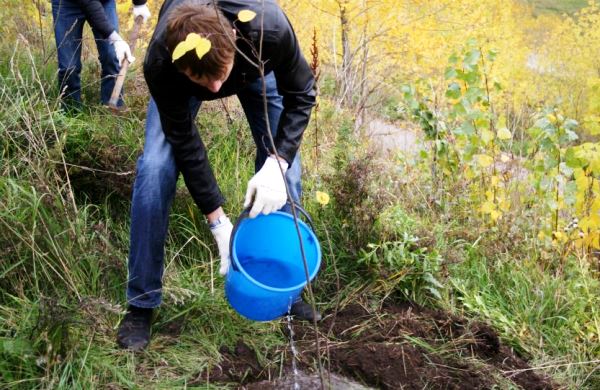
To prevent the appearance of pests and diseases, it is recommended to treat apple trees with fungicides and insecticides twice - in the spring and fall.
Weeds should be rigorously removed. Trunks should be covered with protective material for the winter, as hares and other rodents love to damage the bark. Fertilization is also crucial. Ready-made complex fertilizers, available in specialist stores, have proven effective.
Experienced gardeners often forgo these, continuing to fertilize the soil with the usual infusion of chicken manure, horse manure, or a mullein solution. Fertilize for the first time in May, then every few weeks. In early spring, it's good to water the plants with a urea solution. Shortly before flowering, you can apply fertilizers high in phosphorus and potassium.
Pros and cons
The advantages of this type of apple tree include high productivity and early fruiting, as well as the compactness of the trees, which is very convenient when placing them in the garden, caring for them, and harvesting the crop.
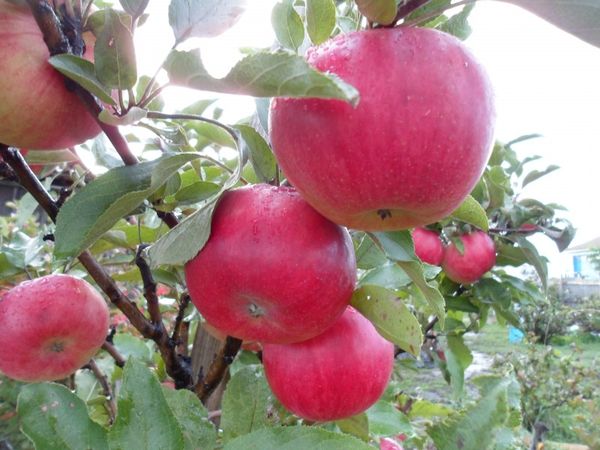
Gardeners also value the fruit's attractive appearance and excellent taste, high winter hardiness, and relatively high immunity to potential infections and pests. Disadvantages include its short shelf life—the fruit lasts no more than one month from harvest.
Video "Columnar Apple Tree"
This video will tell you about the benefits of columnar apple trees and how to care for them.