
Planting and caring for the columnar apple tree of the Valyuta variety
Content
Description of the variety
Thirty-one years ago, a new hybrid apple tree, the Valyuta, was bred in Moscow. This apple tree is unique in that it is completely resistant to scab and other diseases, meaning it doesn't require extensive chemical treatment. The Central European part of Russia enjoys the best climate for growing this variety.
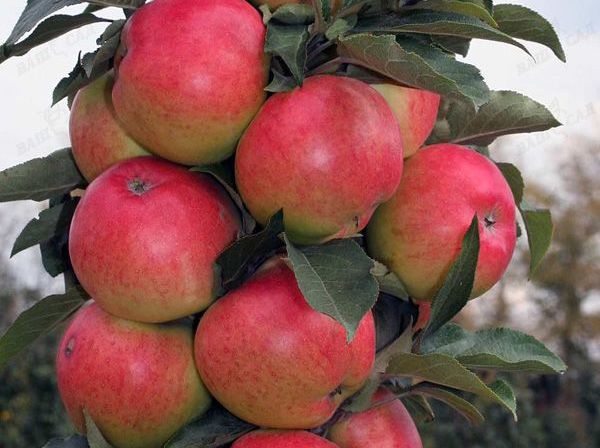
It's worth noting that the Valyuta apple tree is a semi-dwarf tree. Its crown is quite small and compressed. It is precisely because of this crown shape that the columnar Valyuta apple tree is incredibly decorative and fits perfectly into any landscape design. The variety has a long shelf life, making it suitable for both canning and raw consumption.
Main characteristics
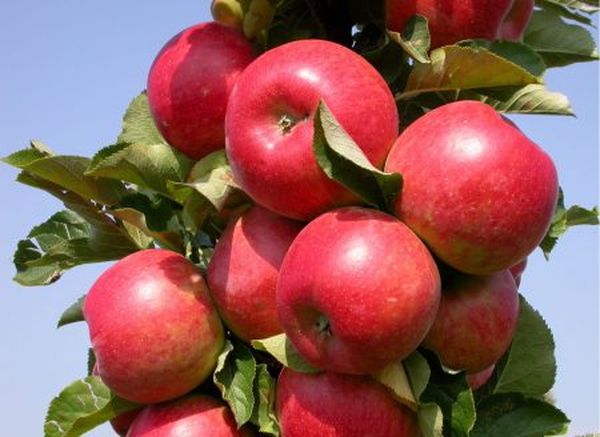
A mature tree reaches a height of approximately 2.8 m and a diameter of 25–30 cm. The columnar Valyuta apple tree produces medium-sized, rounded fruits weighing approximately 200 g. The apple skin is thin but remains firm for a long time. Valyuta's fruits are juicy and sweet, yet with a subtle tartness, with white flesh and a pleasant aroma. The foliage is rich green and completely disease-resistant. In very rare cases, small black spots may appear on the leaves.
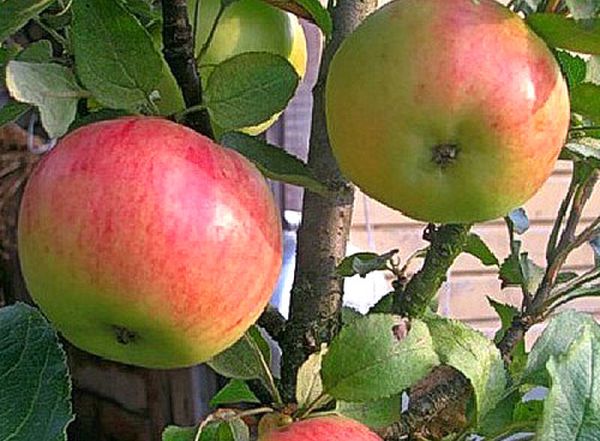
The fruit ripens late, reaching mid-October. Unlike other varieties, the apples remain on the branches for a very long time, allowing for maximum preservation of the harvest. The variety's early maturity is exceptional. One-year-old seedlings bear fruit in their first season. The apple tree produces its heaviest harvest in the fourth to fifth year—around 6 kg per tree. However, the columnar Valyuta apple tree will only delight you with a bountiful harvest for 15 to 16 years. However, trees can easily be uprooted and replanted.
Growing and care
Growing an apple tree is as labor-intensive as growing any other fruit tree. But with the right agronomic approach, greater results can be achieved.
Below is a description of the activities at the main stages of growing the Valyuta apple tree:
- Choosing a location. Choose a well-lit or slightly shaded area. It's best to plant seedlings in early spring (before the buds swell) or late fall.
- Choosing a seedling. Buy one-year-old seedlings, as biennials have a hard time adapting to a new environment.
- Preparing the seedling. Place the roots of the seedling in warm water for about 10 hours.
- Soil preparation. Dig holes the size of the seedling's root system, spaced 0.5 meters apart, with rows spaced 1 meter apart. Thoroughly mix 4 kg of organic fertilizer, 70 g of potassium, and 100 g of superphosphate into the topsoil. This will promote soil microbial growth, which will deliver nutrients to the tree.
- Planting. Place the tree in the prepared hole, spreading the roots out. Firm the soil around it. Dig holes around the seedlings and fill them with 1–2 buckets of water. Place a stake. It's a good idea to mulch the soil around the seedling. Sawdust, straw, or grass clippings can be used as mulch.
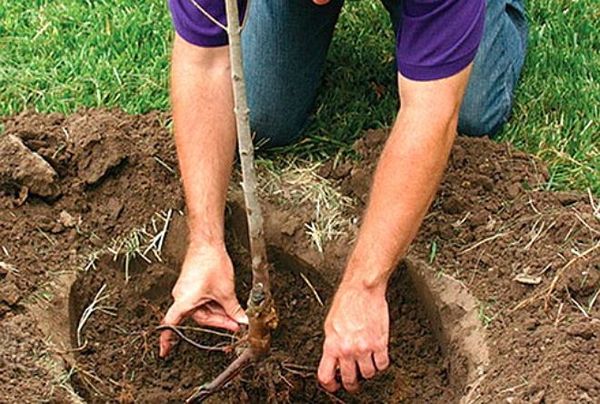
Due to its disease resistance, columnar apple trees require little care. But that doesn't mean they don't require any attention at all. During the first few years, apple trees require ample watering—about twice a week, and 3-4 times a week in hot weather. Pruning and crown shaping can begin as early as the second or third year, completely removing side shoots.
If apple trees were planted in the spring, all flowers should be removed during the first year of flowering so that the tree can form well.
The columnar apple tree variety responds well to potassium, phosphate, and organic fertilizers. However, remember that in any case, incorrect dosage can have negative consequences. Another important apple tree care technique is staking. This helps protect the tree from strong gusts of wind. Wrapping the trunk and lower branches during harsh winters is also recommended.
Pests and diseases
The main enemies of the Valyuta apple tree are the codling moth, blossom beetle, and aphids. Codling moth moths lay eggs on the leaves and then migrate to the ovary. The following products can be used to control codling moths: Mitak, Biorin, Intavir, and Sumi-alpha.
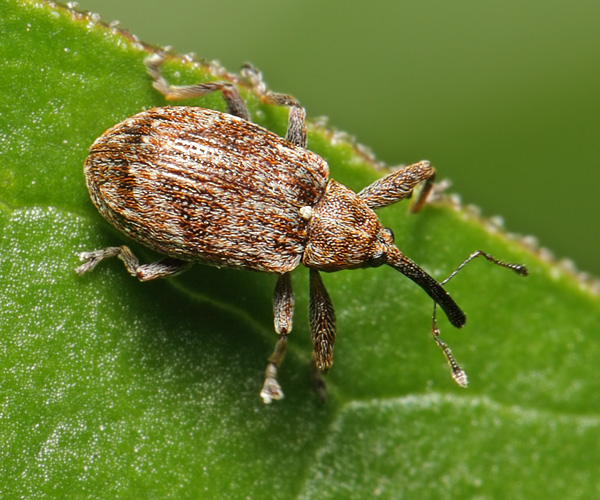
The apple blossom beetle can destroy all apple tree blossoms. Control of this pest should begin as soon as the buds open. Use Fufanon for the first spraying, and Inta-C-M for the second. Aphids emerge as larvae during bud break and can cause significant damage. They can be controlled with chemicals or folk remedies, such as infusions of ash, tobacco, or onions.
The main disease of all apple varieties is undoubtedly scab. But as already noted, Valyuta was bred using a special method that ensured its maximum immunity. However, if the disease does strike the tree, which is extremely rare, treat the tree in three stages: during bud break with Bordeaux mixture, at the beginning of flowering with "Skor," and after flowering with "Rubigan."
Pros and cons
Advantages of the Valyuta variety:
- early fruit bearing;
- strong immunity;
- high level of decorativeness;
- ease of use with a hand sprayer;
- High marketability and technological effectiveness. Disadvantages:
- decline in yield after 15 years;
- average winter hardiness.
Video: Planting the Valyuta Apple Tree
In this video, you will hear useful tips for planting the Valyuta apple tree variety.