
Features and rules for caring for an apple tree in spring
Content
Care Features
Apple trees especially need care in the spring, as this is crucial to ensuring a good harvest. This also helps protect the plant from various diseases and pests, as well as provide it with the necessary amount of light and nutrients.
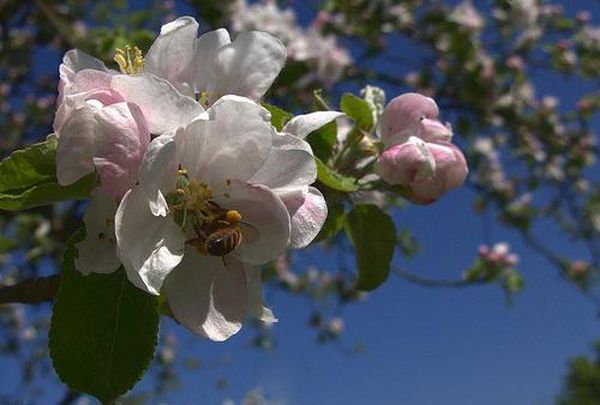
Spring care for an apple tree includes a variety of activities, including:
- whitewashing the trunk;
- sanitary removal of branches;
- watering;
- treatment of damage received during the winter period;
- tree fertilization;
- preventive treatment of wood against pests and diseases;
- Carrying out work to protect against spring frosts.
Below we will examine each of these points in detail so that your garden will always delight you with healthy, fruit-bearing trees.
Whitewash
Whitewashing is a necessary part of caring for young apple trees. This is done to protect the tree from the negative effects of sunlight. It is noteworthy that trees that reach 15 years of age do not require such measures.
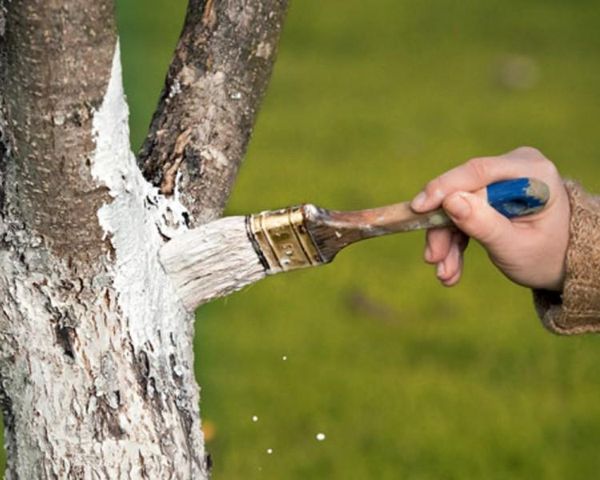
Whitewashing is done in early spring. You'll need acrylic-based garden paint to whiten the lower part of the tree, starting from the base of the trunk and extending to the first branches. It's also worth noting that chalk is recommended for young trees, as lime can have a negative effect on them. It's important to remember that for the whitewash layer to perform its protective function, all work must be completed promptly. Otherwise, the desired effect will not be achieved.
Trimming
Some gardeners believe that an old apple tree is more difficult to care for, so they can simply replace it with a young tree. However, there is plenty of advice from experienced farmers on how to properly care for an old tree to ensure its continued enjoyment. Some of this advice concerns apple tree pruning.
This is typically done in March. However, this will only be relevant if your plot is located, say, in the Moscow region. If your garden is in the Urals, you need to wait until the weather has more or less stabilized and the nighttime temperature is no lower than -10 degrees Celsius. If new branches are no longer growing, the skeletal branches should be shortened, with the boundary being the area of dormant buds, which are usually located closer to the base of the shoot.
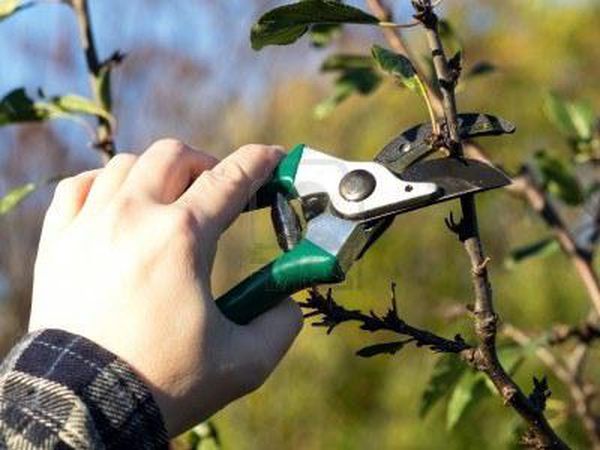
Young trees are pruned by removing old, diseased, or broken branches. Branches that extend from the trunk at a right angle are also removed, as they can break under the weight of the fruit during fruiting. Pruning is essential for the proper formation of the plant's skeleton, so it's important to strive to shape it properly.
Watering, mulching and loosening the soil
Young fruit trees planted in early spring or fall are best watered thoroughly every 5-6 days. The soil around the trunk should be mulched with straw or peat to retain moisture. However, care must be taken to prevent the bark from rotting (this indicates fungal diseases). Furthermore, rodents can hide in the straw, so to avoid a prolonged battle with them, it's important to inspect the mulch regularly.
Treatment of winter damage
How should you care for an apple tree in the spring if you discover frost damage after the winter? If the bark has peeled off and the problem isn't too severe, you can carefully cut away the damaged layer and treat the wound with pitch. No further action is necessary; the damage will heal.
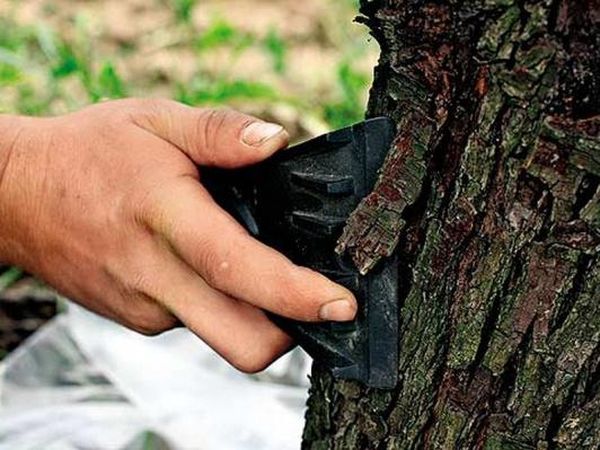
If the wound is quite large, it is recommended to perform a bridge graft to avoid problems in the future.
During winter frosts, your tree can also become a tasty morsel for rodents. In this case, you'll need to follow the same steps as for frostbite and bark peeling.
Top dressing
Many people wonder when to apply fertilizer: in the fall or in the spring. Fertilization is done in both periods, but the specifics of fall care differ significantly from those required in the spring.
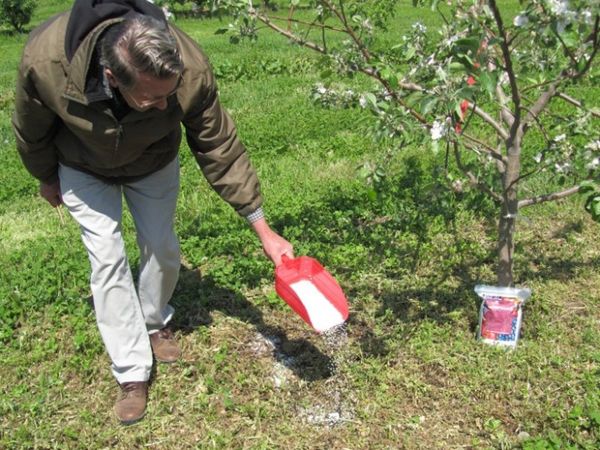
Proper apple tree care requires timely fertilization to ensure a comprehensive spring care regimen. Revealing the secrets of proper apple tree care, professionals recommend waiting until the snow melts and fertilizing the plant with ammonium nitrate. Spring is also the best time to apply nitrogen-containing fertilizers, using urea, compost, and ammonium nitrate.
During the flowering period, the plant responds particularly well to fertilizers containing urea. Ash, manure, or potassium sulfate can also be used as fertilizer at this time. To ensure a good harvest, it is recommended to feed the apple tree with an herbal infusion, which can be easily prepared at home.
Protection from diseases and pests
Protecting against pests and diseases is perhaps one of the most important steps in caring for an apple tree in the spring, as a healthy tree always rewards its owner with a bountiful harvest.
Control measures for various insects and fungal diseases are carried out comprehensively, with the tree treated several times during the spring. Before bud break and active sap flow begins, old branches are pruned and the apple tree is sprayed with chemicals. Typically, the first stage of preventative measures occurs in early March.
In April, when buds appear, it's recommended to treat the apple tree with biological pesticides to protect it from the apple blossom beetle. Some farmers advise skipping treatment altogether and instead removing the insects manually to avoid harming pollinators. Special adhesive trapping belts can also be installed to prevent the insects from damaging the tree.
In mid-May, preventative work is carried out to protect against various fruit pests.
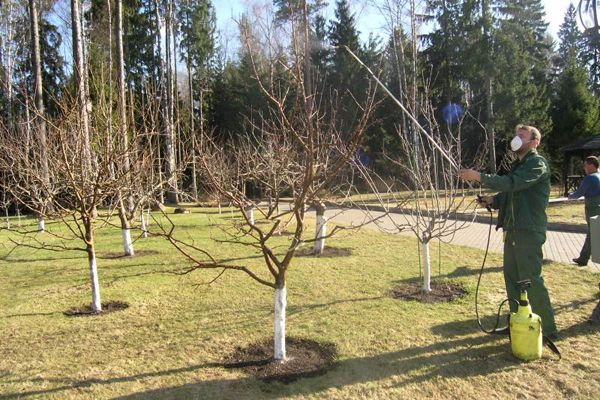
What should I spray apple trees with? Copper sulfate and Bordeaux mixture are used to protect the plant from pests and diseases. Before flowering, apply Trichlorol-5, and after flowering, the apple tree can be treated with Karbofors.
Protection from spring frosts
Spring frosts can cause a lot of trouble for orchard owners, as they can seriously damage trees unprepared for the cold. So, everything possible must be done to minimize the negative impact.
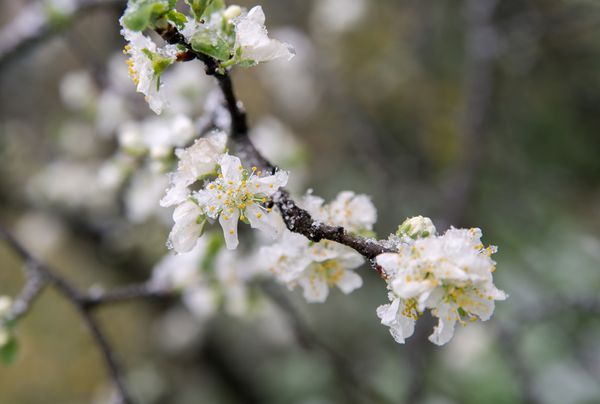
If you know a drop in temperature is expected overnight, spray the leaves thoroughly with a hose in the evening, ensuring that water reaches every leaf. This way, as the droplets freeze, they release heat to the leaves. However, it's important to remember that this method is only effective in calm weather; blustery winds will have the opposite effect, causing more harm than good to the apple tree.
There's another method called smoking. This involves driving a stake into the ground and surrounding it with sawdust, peat, and leaves, then covering it with damp soil. In the evening, before the onset of frost, the stake is removed and the pile around it is lit on fire, thus creating a chimney.
By using these methods, you will reliably protect your plants during the cold nights.
Video: "Proper Care of Fruit Trees"
This video will teach you how to properly care for fruit trees in your garden.