
Description of the fruitful autumn apple variety Spartak
Content
Description of the variety
The Spartak apple variety was developed at the Samara Experimental Station in the mid-20th century by breeder S.P. Kedrin, who was actively crossbreeding various apple tree species at the time. Thus, through the use of several varieties, Spartak and dozens of other promising varieties were developed. Spartak is particularly popular in the Middle Volga region and is included in the State Register for the Middle Volga, East Siberian, and Ural regions.
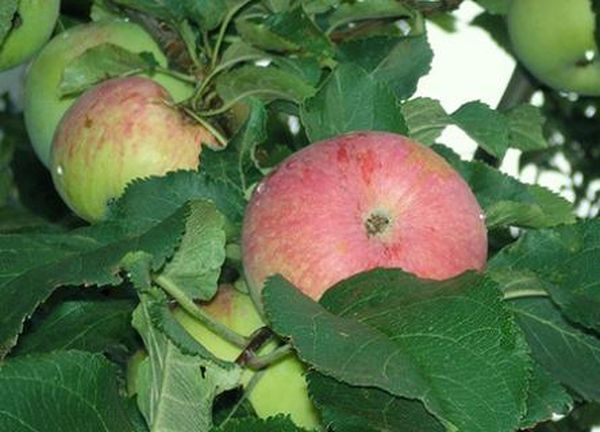
Spartak trees are short (up to 6 m) with a wide, pyramidal, and fairly dense crown. The main (skeletal) branches are positioned at an acute angle to the trunk, which often leads to fractures. The shoots are straight and slightly pubescent. The bark is smooth, brown with a reddish tint. The leaves are oblong, with wavy, serrated edges; the upper surface of the leaf blade is smooth, while the lower surface is slightly pubescent. Fruit formation occurs on all types of branches: laterals, lanceolates, ringlets, and long young growth, which accounts for the variety's high productivity.
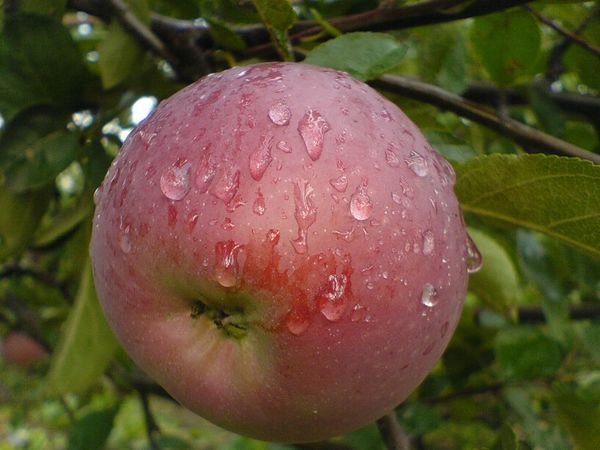
The fruits are small in size (100–150 g), however, on young apple trees and upper branches there are specimens weighing 220–300 g. The apples are round, slightly flattened. The skin is smooth and firm, with a yellow base color covered with an intense blush—striped at first, then merging and covering most of the apple's surface as it ripens. The flesh is moderately firm, fine-grained, very juicy, and creamy in color. The flavor is refreshing, sweet and sour, but the acidity is barely noticeable.
Main characteristics
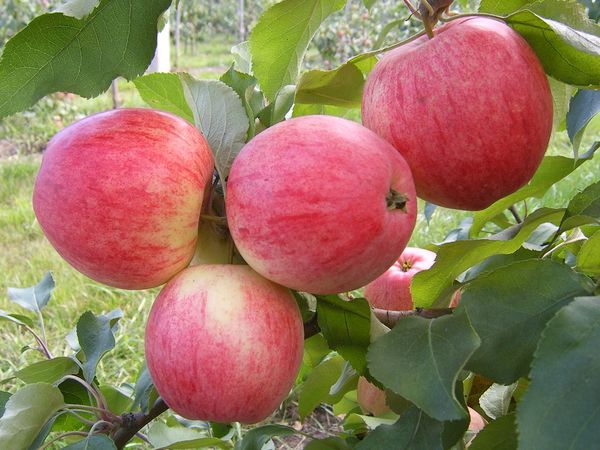
Spartak is a very productive variety. When planted with high-quality material, fruiting begins as early as the third or fourth year, but the tree can bloom even in the second year after grafting or budding, making Spartak apple trees an intensive type. Young trees typically bear fruit consistently each year, but as they age, yields can unfortunately decline or become irregular—high one year, lower the next.
Spartak apple trees adapt well to any climate; they are winter-hardy, tolerate heat and adverse weather conditions well, and maintain high yields. This variety is recommended for cultivation in the central part of the country, but can also withstand lower temperatures. Disease resistance, particularly scab, is average. In years with severe epidemics, both leaves and fruits may be affected. Overall, these apple trees are hardy and undemanding in terms of light, moisture, and soil composition.
Harvesting and storage
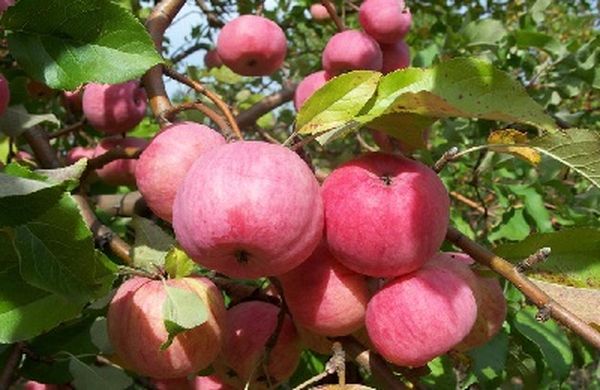
Spartak is a table variety ripening in the fall. The apples reach harvest maturity in late August or early September.
A deep red blush spreading over most of the apple indicates it's time to pick the fruit. If the blush remains streaky, the apples may need another 1-2 weeks to ripen. The ripening season lasts from mid-September to late November. Although apples can be refrigerated until New Year's, it's best to consume them within that time, as their flavor declines after that. Freshly picked apples have a high marketability, are easy to transport, and are suitable for retail. These apples are versatile, suitable for both consumption and processing.
Pros and cons
The Spartak variety is widely used in private and industrial gardening due to its many advantages:
- endurance and resistance to frost and drought;
- the possibility of growing apple trees in intensive orchards;
- early fruiting;
- stable yields that remain at a high level for many years;
- excellent presentation and taste of the fruits.
The disadvantage of this variety is that the trees are somewhat susceptible to scab, and the apples also lose their flavor over time.
Video "Spartak Apple Tree"
In this video, you will hear about the characteristics of the Spartak apple tree variety.