
Features of the apple tree variety Gift to Grafsky
Content
Description of the variety
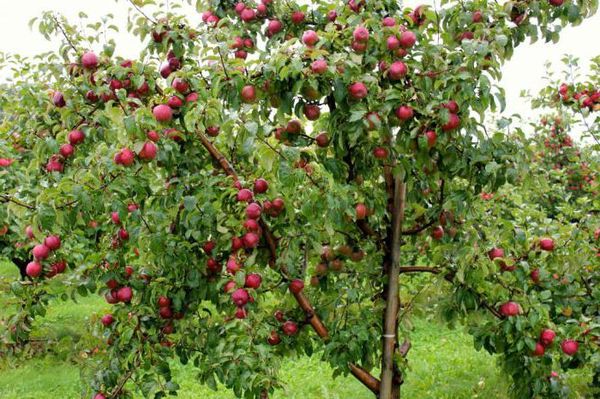
This mid-winter variety has good frost resistance. It's worth noting that in 1979, winter temperatures dropped to -40°C. Nevertheless, that same fall, the Podarok apple tree delighted breeders with its harvest. The trees of this variety are tall and vigorous. They grow and spread very quickly. The crown is shaped like an inverted trapezoid, but the medium density of branches and leaves provides excellent permeability. This means that sunlight adequately illuminates the lower levels of branches and fruit.
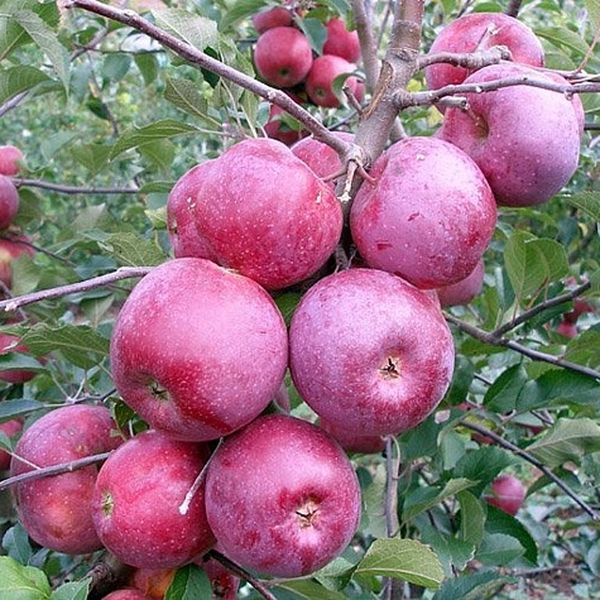
The shoots are long and dark gray, and the leaves are dark green and glossy. They are oblong, with finely toothed, file-like tips. They bear small, white or pinkish flowers. The fruits are intensely red, sometimes with a purple tint. Because they are resistant to the characteristic "rusting," they are eye-catching.
These fruits range in size from 250 to 350 grams, which is quite heavy. They have a sweet and sour taste, and the yellow flesh has a fine-grained texture, making them suitable for both long-term storage and jam-making. The Podarok apple tree has a stunning aroma.
Landing
Since this species is one of the most frost-hardy apple trees, planting can be done in early spring or fall. It is recommended to purchase seedlings from specialized nurseries. In the spring, dig a hole measuring 60x60x70 cm and leave it there over the summer. Over the course of the season, it will become oxygenated, and the seedlings can be planted there. Since this species is tall and vigorous, with a massive root system, seedlings should be spaced at least 6 meters apart. It's important to remember that the crown is proportional to the roots. However, pruning branches will not reduce the root mass, so plan your spacing carefully.
Add humus and sand to the holes, and don't forget to add fertilizer. Select the strongest seedlings and plant them in the holes. It's crucial to follow proper fertilizing guidelines for fruit trees. They absolutely need nutrients and minerals, especially in the first few years of life. However, don't overfeed them; carefully monitor the dosage and frequency of feeding.
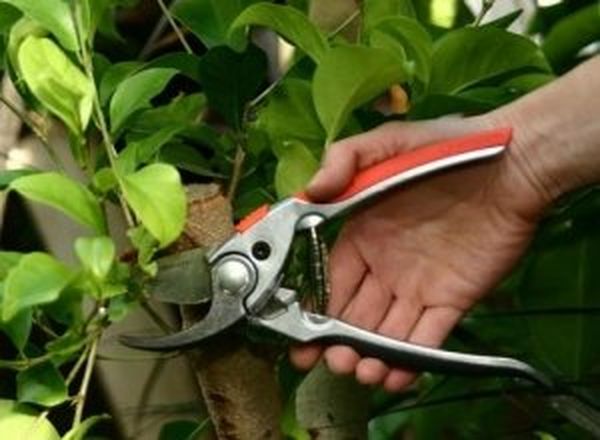
It's essential to ensure proper, high-quality pruning. This is the key to creating a proper crown. If you miss the right moment, it will be impossible to correct the situation.
Pollinators and care
Since apple trees are self-sterile, meaning they cannot pollinate themselves, they rely on other species for pollination. It's worth noting that nature has developed a mechanism that prevents self-pollination in apple trees, preventing the offspring from becoming monotonous. This negatively impacts their survival in diverse, constantly changing climates. For pollination, it's important to select suitable apple tree varieties. The best choices include Student Apple, Northern Sinap, and Moscow Pozdenny. Gardening practices recommend planting different varieties in the same area to ensure bees can easily pollinate them without having to travel long distances.
Experts predict the first fruits will appear in the fifth or sixth year of the Grafskomu Gift's life. If flowers appear on the seedling, they are recommended to be pruned. Dwarf varieties of these fruit trees are now available, which will yield a harvest a little earlier.
A positive characteristic of this species is not only its frost resistance down to 42°C but also its excellent resilience. Regular watering is probably the only requirement, as the tree does not tolerate dry soil. Fertilizer is also important. It is recommended to use simple, well-rotted manure, spreading it on the dug-up soil in the fall and spring. You can also drain the water and water with this solution. Feed the tree with wood ash in any season, as it has a beneficial effect on flowering and fruit set.
Harvesting and storage
The variety description includes instructions for harvesting and storing the fruit. The Podarok apple tree will delight its owner, as it produces abundant fruit and impresses with its size. You can harvest it as early as mid-autumn.
It is necessary to carefully monitor the condition of the branches, since under their weight they can simply drop the apples to the ground, thus reducing the number of fruits in the end.
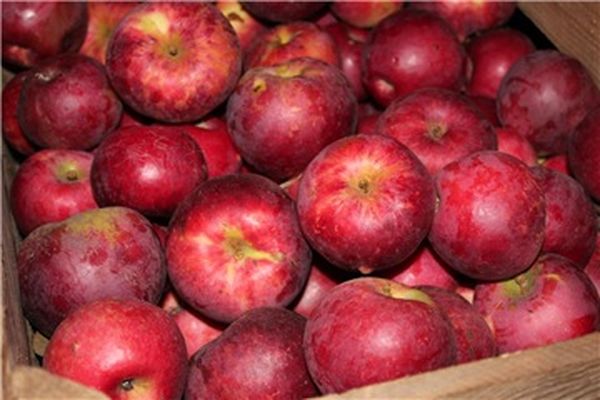
In September, for example, you can pick the bottom row and leave it to ripen in a dry place. The harvest should be stored at a temperature of approximately 0°C. This can be done either in refrigerators or in a basement that maintains these temperatures.
Advantages and disadvantages
Overall, scientists emphasize that "Podarok Grafskomu" has far fewer and minor drawbacks. Gardener reviews rate it above average. Among the negative characteristics, they highlight:
- Each year the harvest will vary, which is impossible to predict.
- The branches grow quickly, creating a denser crown of the tree.
- The crown shape – an inverted pyramid – prevents the sun from reaching the lower levels of branches.
- There is a moment of fruit shedding due to the load on the branches.
Advantages of the Gift to Count type:
- Excellent frost resistance.
- Excellent resistance to diseases and fungi.
- Produces a harvest every year.
- The fruits have a marketable appearance – bright and juicy.
- They have a rich aroma and taste.
- They are stored for a long time.
- They do not spoil during transportation.
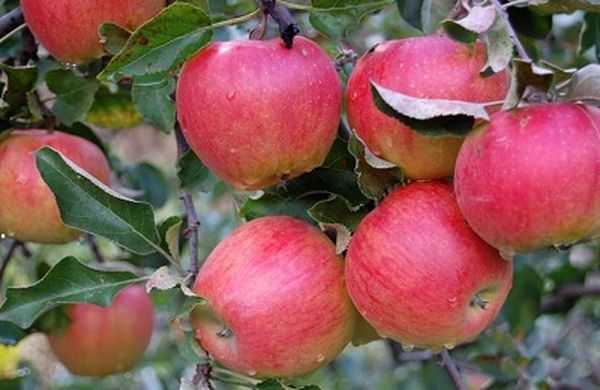
Grafsky's gift will undoubtedly appeal to most gardeners and apple lovers!
Video: "Which Apple Trees Are Suitable for the Urals?"
In this video, you'll learn about winter apple varieties suitable for the Urals.