
We are growing the time-tested, high-yielding apple tree variety Slava Pobeditelyam.
Content
History of selection and description of the variety
The Slava Pobeditelyam apple tree was developed in 1928 at the L.P. Simirenko Institute of Pomology (Cherkasy Oblast, Ukraine). The cultivar was developed by fruit breeders Petr Efimovich Tsekhmistrenko and Lev Mikhailovich Ro. The fruit tree was a hybridization of the Makintosh and Papirovka varieties.
Botanical portrait of a tree
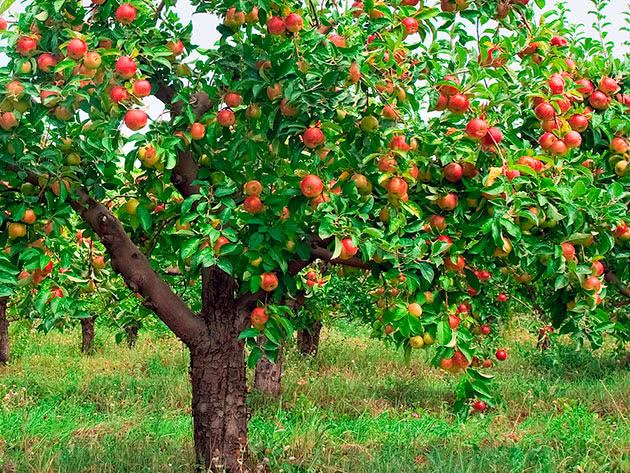
This variety is characterized by vigorous growth. The average height of a mature tree is 5 m. The crown is pyramidal, spreading, and densely foliated.
The apple tree produces numerous shoots. The skeletal branches are brown, while the young shoots are reddish-brown. The leaves are rounded and round-oval. The leaf blades are small, light green with a slight yellow tint.
Description of fruits
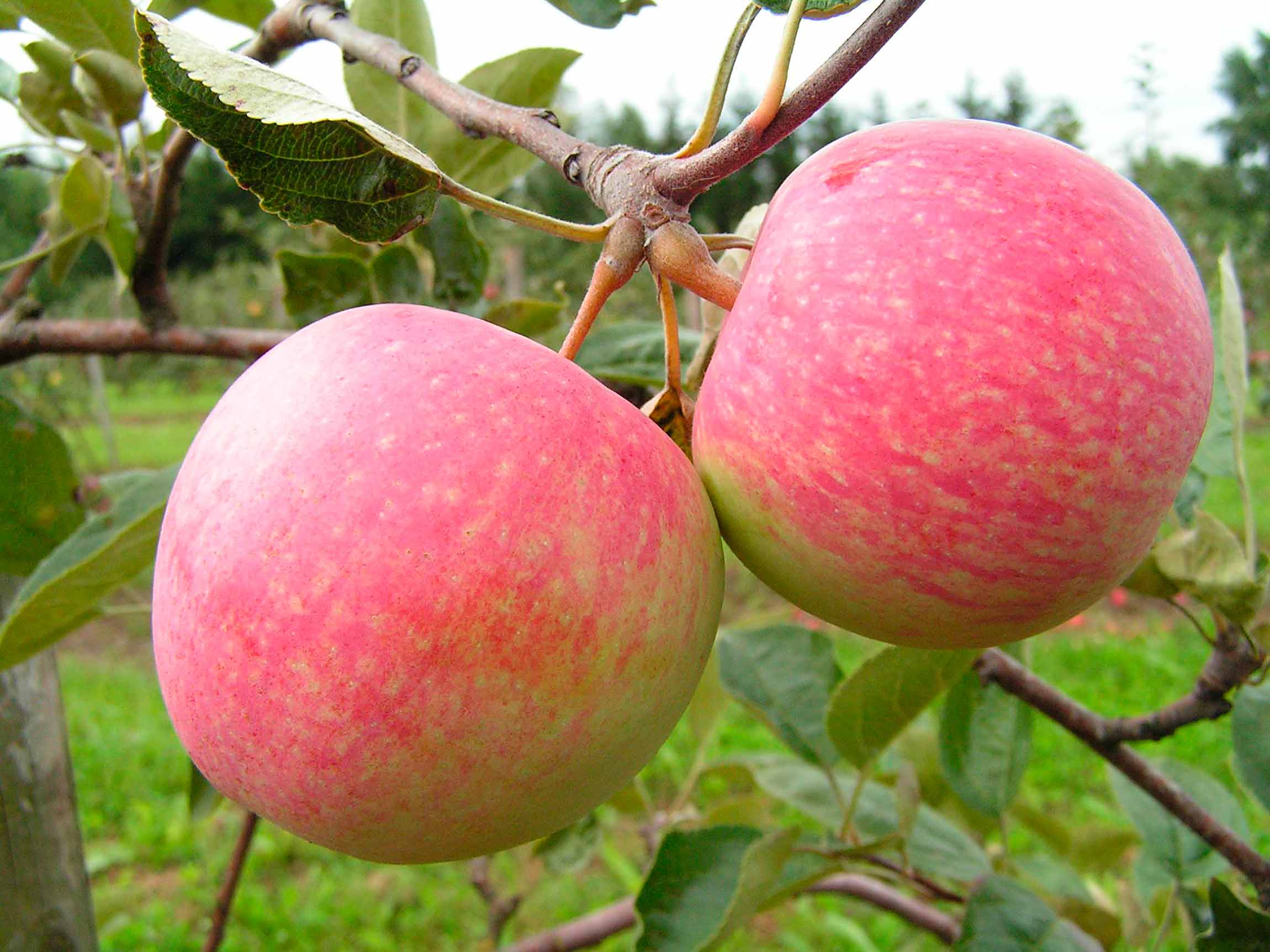
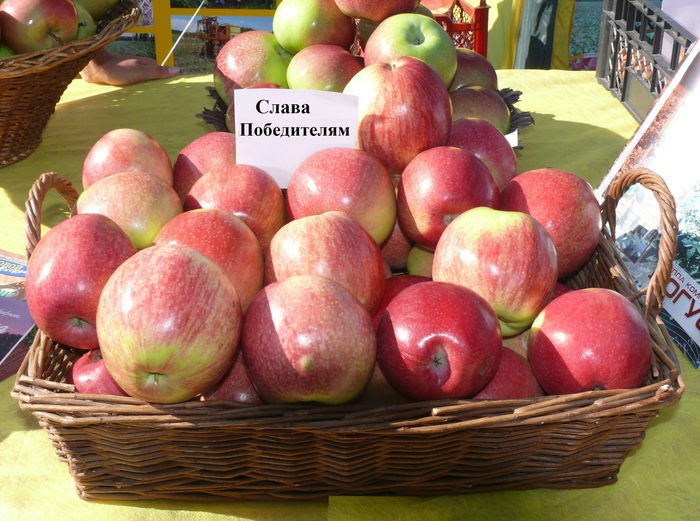
The fruits of this variety are large. The weight of a ripe apple ranges from 120 to 180 g. The shape of the fruit can be round, oblong-round, or slightly conical at the top. The skin is yellowish-green with a uniform surface color. There is a slight whitish bloom and visible light subcutaneous spots.
The apples have a sweet and sour taste. The flesh is juicy, tender, and light cream or white-yellow in color.
Characteristics of the Slava Pobeditelyam apple tree
The Slava Pobeditelyam variety is found in virtually all regions of the former Soviet Union. This fruit is grown in both home gardens and commercial orchards.
Ripening and fruiting periods
Apple trees bear fruit late. The first large-scale harvest is not harvested until 4–5 years after grafting the cutting or planting the seedling in its permanent location.
Fruit ripening is uneven and prolonged. Harvesting can be done from early August to mid-September. Slava Pobeditsi is a self-sterile fruit crop. The following varieties are suitable for pollination: Antonovka Obyknovennaya, Priam, Delichiya, Melba, Vadimovka, Borovinka, and James Grieve.
Productivity and use of fruits
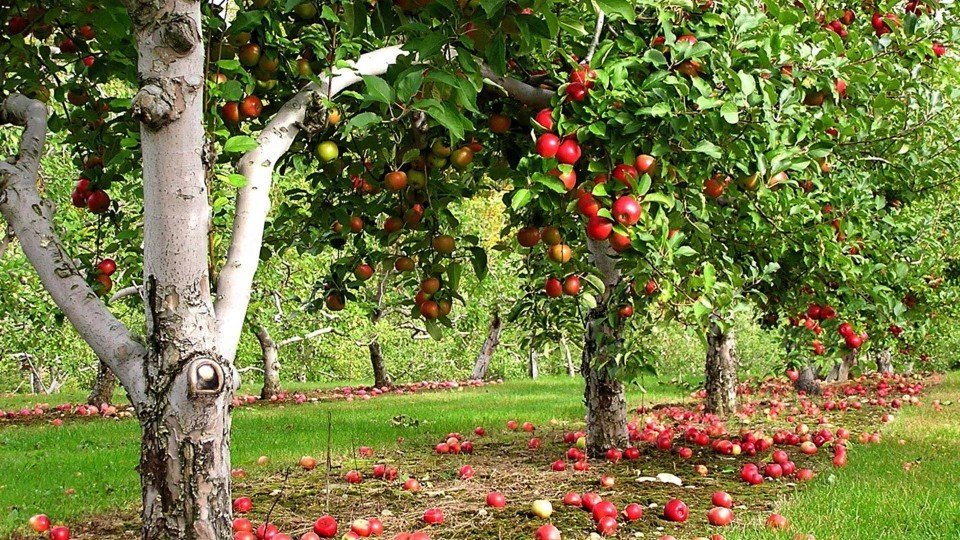
As noted by the farmers themselves, the variety is high-yielding. Yield figures depend on growing conditions and the age of the tree. A young apple tree yields approximately 70 kg of ripe fruit. A 10-year-old apple tree yields over 120 kg.
Juicy, sweet and sour apples are eaten fresh, and are also used as raw material for the industrial and home production of juices, compotes, fruit drinks, wines, preserves, marmalade, and healthy pastilles.
Storage and transportability of the harvest
One of the variety's drawbacks is fruit drop. For this reason, harvesting begins when the fruit is technically ripe. When stored in the refrigerator, the apples retain their marketability and flavor for 3–4 months. Storage in a cellar is less beneficial, lasting up to 1.5 months.
Apples are suitable for long-distance transportation. The fruit is pre-sorted and placed in wooden crates or cardboard boxes.
Winter hardiness of crops
Gardeners note the crop's high winter hardiness. Unfortunately, the variety description doesn't specify the temperature range acceptable for this fruit crop. According to gardeners, apple trees grown in southern regions aren't covered for the winter. Fruit trees growing in the north and central regions can freeze due to low precipitation and frequent temperature fluctuations.
Advantages and disadvantages of the variety
- stable and active fruiting;
- convenient ripening times;
- high yield rates;
- excellent commercial and taste qualities of fruits;
- universal use of fruits;
- high frost resistance threshold.
- late fruiting;
- self-infertility;
- high probability of fruit shedding;
- short storage period of the crop;
- tendency to crown thickening;
- weak drought resistance.
Video "Autumn Apple Tree Glory to the Victors"
This video examines the key characteristics of the fruit crop.
Agricultural technology rules for the Slava Pobeditelyam apple tree
To achieve high yields from a cultivated fruit tree, you need to know how to properly care for it.
Selecting a location and preparing a pit
This variety can be planted outdoors in both spring and fall. Spring planting occurs before the active sap flow begins, while fall planting occurs a few weeks before the first frost.
Apple trees thrive in sunny locations. However, winds and drafts are undesirable for this variety. When planting multiple trees, space the seedlings 5–6 meters apart. Otherwise, the tree, which tends to grow vigorously, will feel unwell.
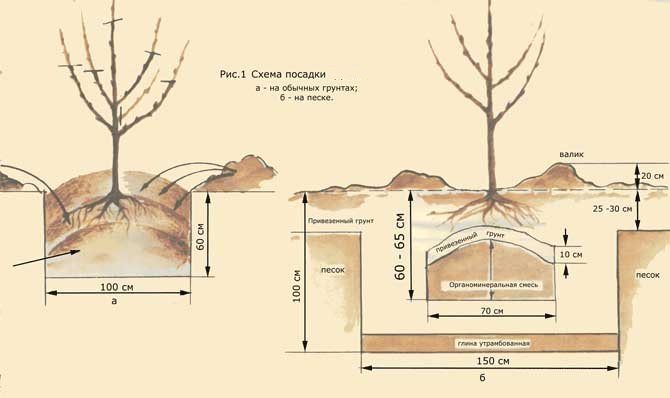
The planting hole is prepared a month before the expected planting date. The bottom of the hole is lined with crushed red brick and expanded clay. A layer of fertile soil is added on top—a mixture of peat, humus, woody soil, and leaf mold in equal parts.
Selection and preparation of planting material
When propagating from seedlings, it's best to purchase planting material from a nursery. One- and two-year-old apple trees at least 1.5 meters tall take root faster. The plant's root system is extensive and shows no signs of insect damage. The bark should be smooth and free of mechanical damage, and the leaves should be green.
Before planting, the root system of the seedling is soaked in a growth biostimulant (for example, "Kornevin").
Features of reproduction
The easiest way to propagate an apple tree is to plant a cultivar seedling. The plant is rooted in a pre-dug planting hole. The seedling is covered with soil and watered.
If the garden plot is small, grafting is used. A wild apple or a stone fruit cultivar can be used as the rootstock. The cuttings are taken on the day of grafting. The cuttings should have a greenish slanted cut and several healthy buds.
A one-year-old tree planted in the garden is carefully bent down to the ground. The apple tree shoots are placed in shallow trenches and covered with soil. Young shoots emerging from the ground indicate rooting. Please note that layering is not suitable for all apple tree varieties.
Watering and fertilizing
A lack of soil moisture causes the fruit to become smaller and fall off. Slava Pobeditov is a moisture-dependent variety. During the first year, the tree is watered every 5–7 days; subsequently, the interval between waterings is increased to once every 14 days.
You can feed a fruit tree according to the following scheme:
- spring – mineral mixtures with high nitrogen content;
- summer (first half) – potassium-phosphorus complexes;
- autumn – superphosphates.
Any fertilizer should be applied after thoroughly moistening the soil. Applying fertilizer to dry soil can cause root burn.
Crown pruning
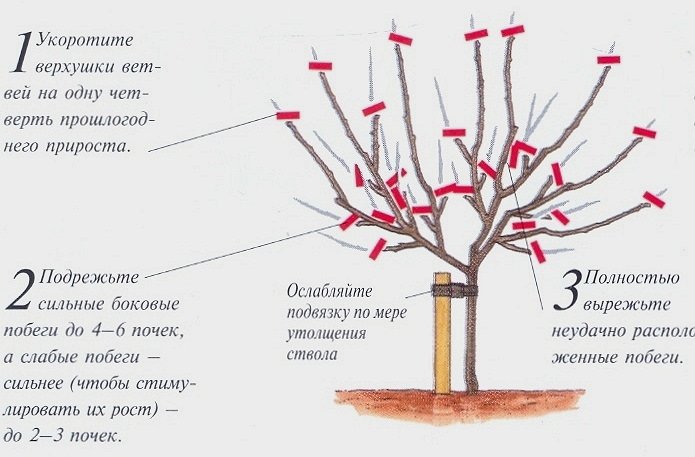
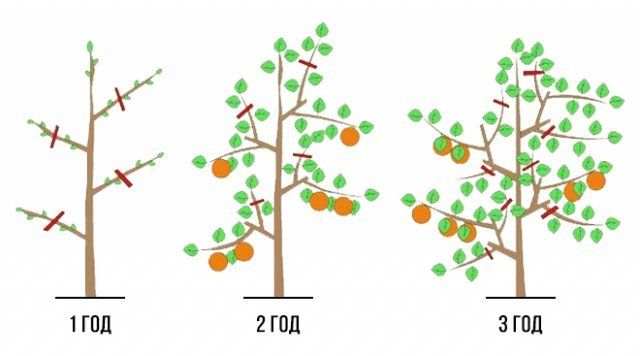
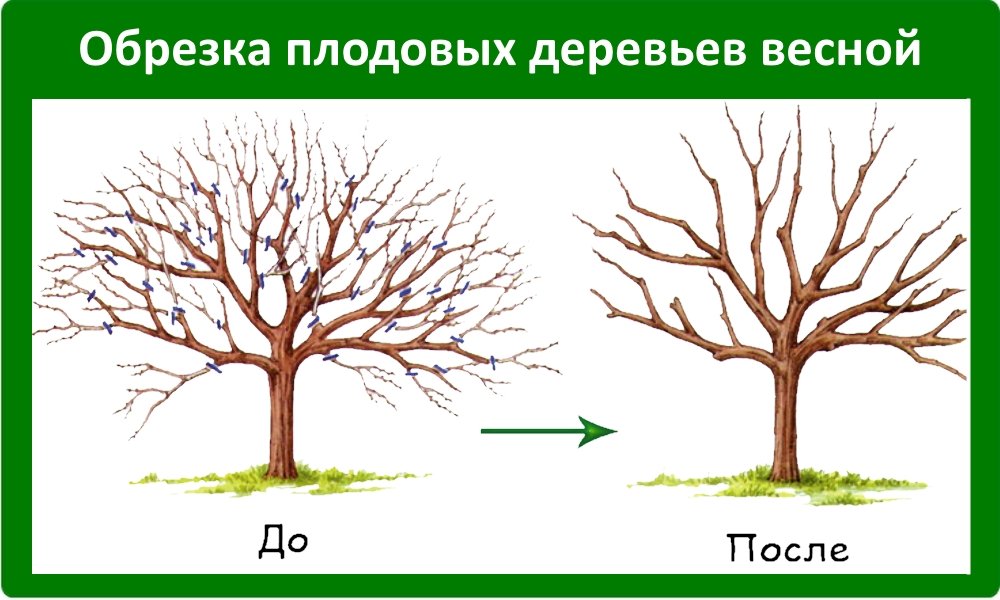
The fast-growing Slava Pobeditelyam variety requires frequent pruning. During the growing season and after fruiting, perform sanitary pruning, removing dried and damaged shoots. In the spring (before sap begins to flow through the trunk and skeletal branches), perform formative pruning. A staggered arrangement of branches is suitable for this variety.
We offer you options for pruning the crown of an apple tree:
-
- Rejuvenating pruning
-
- Crown formation
-
- Thinning pruning
Shelter for the winter
High frost resistance allows the plant to overwinter without additional cover. Young trees, as well as apple trees grown in regions with unstable climates, require insulation. The root collar is covered with a layer of peat, river sand, and dry fallen leaves, and the trunk and skeletal branches are wrapped with agrofibre.
A metal mesh installed around the trunk will help protect fruit crops from hares, mice and other rodents.
Prevention and protection from diseases and pests
The Slava Pobeditelyam variety attracts apple aphids, codling moths, leaf rollers, psyllids, and red apple spider mites. Solutions of Zolon (0.2%), Chlorophos (0.8%), and Karbofos (0.3%) will help control these pests. Spray twice, with an interval of 7-10 days between applications.
If agricultural practices are not followed, the plant may be affected by powdery mildew, cytosporosis, fruit rot, scab, and milky sheen. Effective methods for preventing and treating these diseases include:
- powdery mildew – copper oxychloride and the drug "Strobi";
- cytosporosis - “Hom”;
- fruit rot - "Horus" and "Abiga-Peak";
- scab - “Horus”, “Skor” and “Raek”;
- milky shine - "Trichodermin".
Reviews from gardeners
"I recommend the Slava Pobediteli apple tree to beginning gardeners. The plant is undemanding in terms of growing conditions and care."
"Our Slava Pobeditelyam apple tree is over 10 years old. Starting from the fifth year after planting the seedling in its permanent location, we've been harvesting a large crop of juicy and delicious apples every year. The main thing is to harvest on time."
The Slava Pobeditelyam apple tree is a very popular fruit variety. Gardeners prefer this fruitful and high-yielding tree, which also copes well with winter frosts.