
Characteristics of the late-winter apple variety Sinap Orlovsky
Content
Description of the variety
Sinap is available in two varieties: Severny and Orlovsky. The history of the Orlovsky Sinap apple variety's development is interesting, as it consists of several stages. Breeder S.I. Isaev developed the Severny Sinap in the 1920s. Subsequently, in the mid-20th century, the Orlovsky was developed from it.
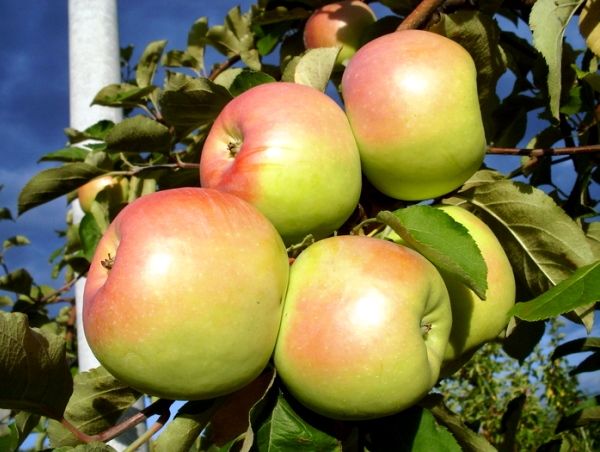
Sinap Orlovsky is an amazing variety; the apple tree has the following description: high-yielding, the taste is reminiscent of the fruits of the Northern variety. The first fruits of the tree are formed 4 years after its planting. Over time, apple tree yields increase, doubling annually with proper care. However, it's important to note that excessive fruiting can negatively impact the size and quality of the fruit.
Sinap Orlovskyi trees have strong branches and a spreading crown. They reach a height of 3–5 meters. Skeletal branches are sparse, which significantly simplifies care and facilitates the harvesting of ripe fruits. However, the tree requires periodic pruning. The main branches grow at a right angle, pointing upward. The bark is gray and rough to the touch. Young branches are usually dark in color, with large green leaves. Sinapi blooms with large, soft pink buds.
Main characteristics
The Sinap Orlovsky apple tree is highly productive, as the variety's description suggests. However, this is far from the only characteristic of the cultivar.
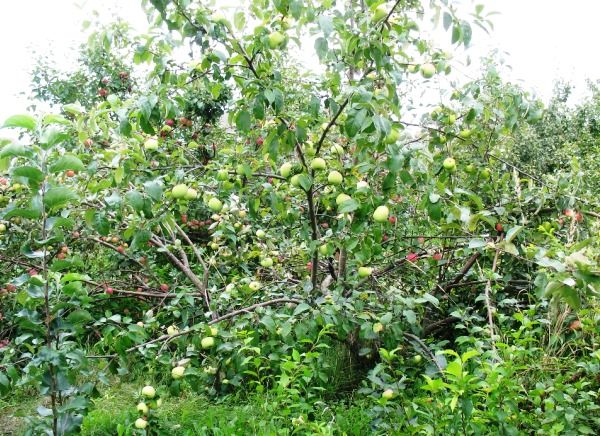
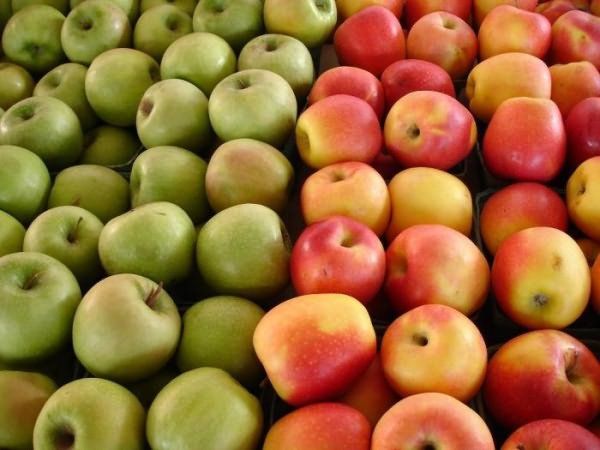
The tree's fruits are medium-sized, weighing no more than 0.15 kilograms each. When ripe, they acquire a yellow-green hue, and gradually change to golden during storage. If the tree grows on a sunny side, ripe fruits take on a pinkish hue. The apple skin is thick and glossy.
Pollinators and care
The Orlovsky Sinap is an easy-to-grow variety, but it does require some extra care. During the tree's active growth period, regular pruning is necessary. This variety is self-fertile, producing fruit actively regardless of weather or climate conditions. Plants of other varieties growing nearby will positively impact the Orlovsky variety's yield.
To enjoy a consistently rich harvest of Sinap, it needs to be watered properly. In summer and spring, the trees require weekly watering. Each apple tree should receive approximately three buckets of water. To ensure even distribution of moisture, the soil should be thoroughly loosened after watering.
Fertilizing the variety is necessary not only during planting but also during care. The best option is to apply fertilizer four times a year: after winter, bud formation, flowering, and harvesting of ripe fruit.
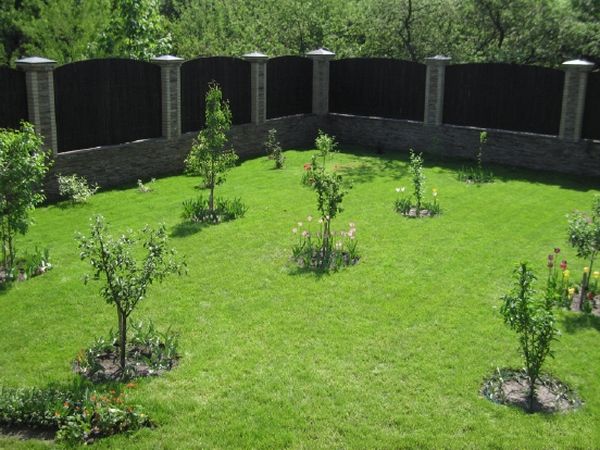
During the period of active growth, branches on young trees should be pruned. After a year, a third of the branches are removed. Young trees are pruned to 0.2–0.25 meters. After a year, pruning is carried out so that three tiers of branches remain, and after that, only one conductor is left. Mature trees should be pruned to 0.4–0.45 meters. Dead and unhealthy branches are removed.
Pests and diseases
Sinap Orlovsky is often susceptible to scab or powdery mildew:
- Powdery mildew is a fungal disease that causes a white coating on the leaves. Everything possible must be done to prevent the mildew from spreading, otherwise it will simply consume the apple tree. Colloidal sulfur or copper-containing substances can help prevent infection and combat the disease. All affected parts should also be removed. Pruning wounds should be sealed with chalk on young plants and with a limestone solution on mature trees.
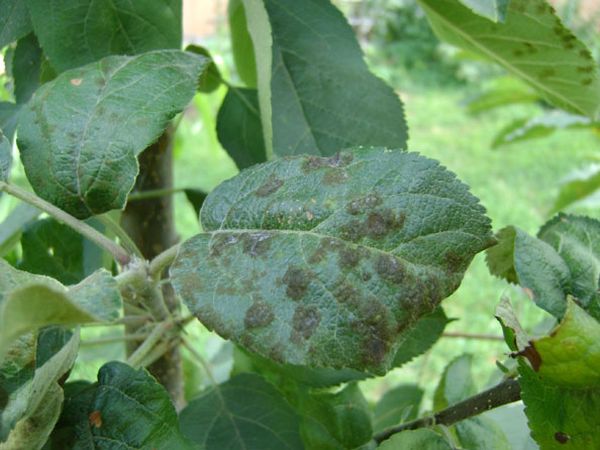
- Scab is a fungus that develops on plants in conditions of high humidity or when air stagnates in the tree canopy. Scab first appears on the leaves, and then its signs appear on the fruit. The main symptom of scab is the appearance of greenish-brown spots on the plant's organs. The disease can be prevented by disinfecting and fertilizing the soil.
Orlovsky sinap often suffers from bitter pit. This disease can develop under conditions of high humidity, untimely harvesting of fruit, improper storage, and excessive nitrogen saturation of the soil. Bitter pit can cause characteristic sunken brown spots on the fruit. Spraying the plants with calcium chloride can prevent the disease. Timely harvesting and proper storage conditions also help prevent infection.
Among the pests, the codling moth is the most common attack on the Sinap apple, as is the case with other apple varieties. Spraying the plants with insecticides can help combat this pest.
Pros and cons
The Orlovsky apple variety has its strengths and weaknesses. Its advantages include frost and low-temperature resistance, early ripening, high yield, and high-quality fruit. Furthermore, the harvest can be stored for long periods without losing its essential qualities.
The disadvantages of the variety are the size of the Sinapa fruit trees, which causes a number of inconveniences for owners of small plots when growing the fruit. A disadvantage of the Orlovsky variety is its susceptibility to bitter pit disease, as well as the fact that the first fruits form four years after planting. Another weakness is its lack of immunity to scab and powdery mildew, while its overall susceptibility to diseases is moderate.
So, Sinap Orlovsky is an apple variety that will delight you with a stable, abundant, and delicious harvest. However, to achieve this, you must provide the plant with proper care and protection from diseases.
Video: "Pruning and Shaping the Apple Tree Crown"
This video will show you how to properly prune and shape the crown of an apple tree.