
Features of propagation of apple trees by cuttings
Content
Timing
To propagate an apple tree by layering, you need to know when to take the cuttings. This should not be done in the spring, as it will damage the mother plant. The optimal time for cuttings is the end of the first month of summer or the beginning of the second: by this time, the young foliage has already finished actively developing. It's best to prune the selected branches early in the morning, before the sun rises high in the sky.
Preparing cuttings
To grow a tree from a cutting, it's important to start the process early. Sometimes, summer cuttings fail to develop roots, so it's best to prepare the planting material in the winter. This is how it's done: before the New Year holidays, you need to select a 1-2 year old branch with no visible signs of damage to the bark, break it slightly, and fix it in a bent position with a plaster.
In early spring, the prepared branch is carefully cut at the break, removing the tape first, and placed in a container with warm meltwater and activated charcoal for approximately 20 days. This time is enough for the characteristic growth to appear on the cutting, and a little later, roots will emerge. That's it; the sprout can now be rooted in a miniature greenhouse with high humidity.
Alternatively, you can carefully wrap the broken branches around the break, cut them off immediately, and place them in slightly damp sand at a cool temperature—no higher than 2 degrees Celsius. They'll remain like this until spring, then move them to a warmer location a few weeks before planting. This way, by fall, you'll have a fully grown seedling.
Use of vaccination
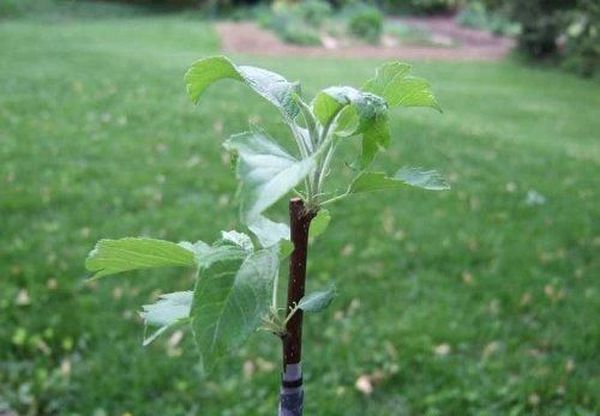
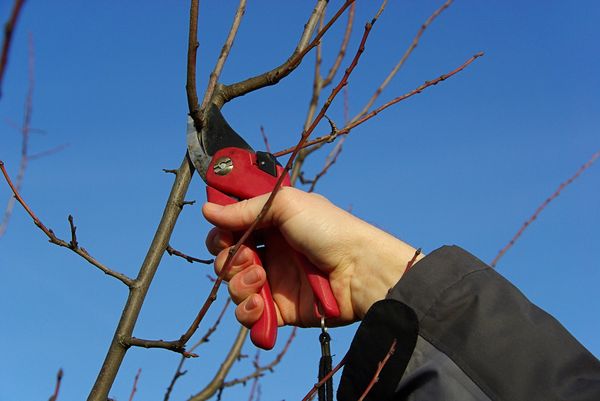
Preparation for grafting typically begins with choosing a rootstock—a wild apple tree, either grown from seed or sprouted from a native tree. I graft the scion directly onto the plant's root system, unless, of course, I plan to grow several apple varieties on the same tree. The scion should be a one-year-old shoot, with all leaves removed.
The procedure is performed on the day of cutting. However, some believe that using so-called dormant cuttings is more effective than freshly cut shoots. To achieve this, the cuttings should be prepared in late fall, before frost sets in, and stored in a basement or simply covered with snow.
Using green cuttings
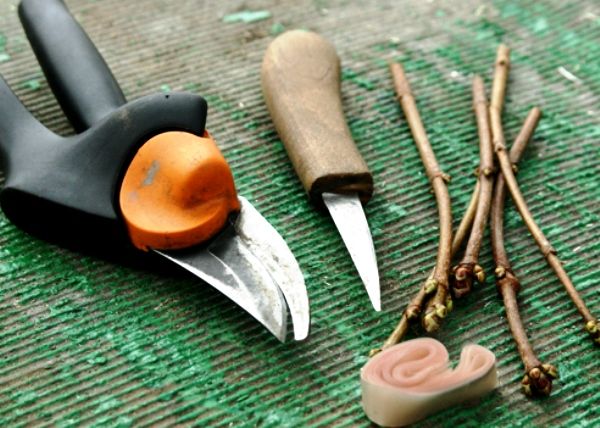
Another option for propagating an apple tree without grafting is rooting a green cutting. The easiest way to do this is to place the cutting in water. It's important to prevent the base of the cutting from rotting.
- When rooting a green cutting, it is better not to change the water, but to add it little by little;
- the water should be heated to room temperature;
- do not put too many shoots in one container;
- You can add a little preparation to the water for rooting that stimulates the formation of root shoots.
If everything went well and the seedling is obtained, it needs to be planted for further growth in a nutritious soil mixture; the future apple tree can be planted in a permanent location no earlier than after 2 years.
Rooting methods
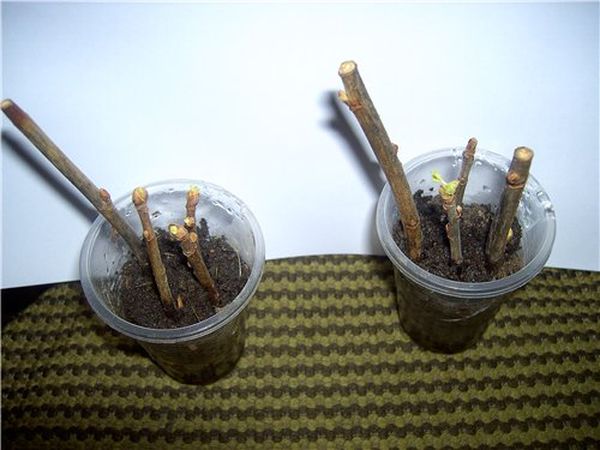
As mentioned earlier, apple trees propagate quite successfully from cuttings if the shoot is properly rooted. This can be done in several ways:
- Rooting in potatoes is an unusual but successful method. Select a large tuber, insert the cutting, and bury the entire container. Cover the container with plastic film, maintaining a constant humidity level. This method is suitable for any variety, including columnar apple trees.
- woody cuttings - can be rooted both indoors and outdoors, by setting up a small greenhouse;
- Rooting in a box: Place the box with the cuttings in a warm, but well-ventilated location. This is necessary to ensure the tops dry out and the roots don't rot.
Basic mistakes
- cuttings should not be taken in the spring, as it will start to grow and stretch out without paying due attention to the development of the root system;
- Avoid grafting the cutting onto the end of a branch. Grafting at the base of the shoot will produce a much better result.
Almost any apple tree variety can be propagated effectively by cuttings. Be sure to give this method a try—you'll succeed!
Video "Reproduction of fruit trees"
This video will show you how to best propagate fruit trees.