
8 Best Early Apple Varieties for Planting in the Garden
Content
White filling
Not the most successful variety commercially: the fruits are difficult to transport, don't keep well, and ripen slowly. However, in private gardens, it is extremely popular due to its refreshing, slightly tart flavor and early harvest (mid-July). The fruits retain their flavor for no more than 5-7 days, after which the flesh becomes loose and flavorless. For this reason, uneven ripening is actually an advantage, as it eliminates the need to process the entire harvest at once, and the apples' flavor can be enjoyed for longer.
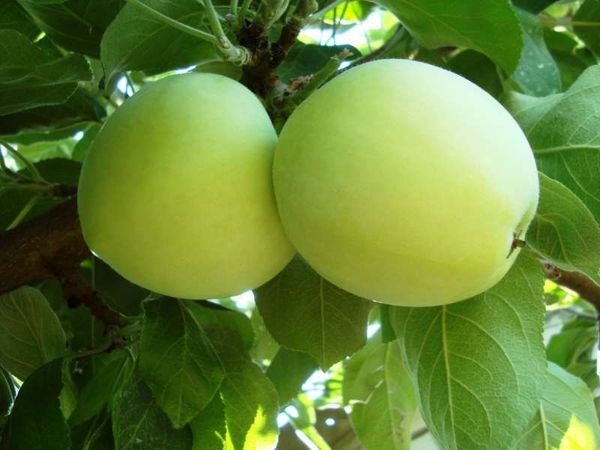
White filling apple trees are compact (3–4 m tall), begin bearing fruit quite early (in the 4th–5th year) and produce high yields annually – 50–70 kg/tree. The fruits are small, weighing 60–90 g, with green skin that turns milky and becomes covered with a white bloom as they ripen. Young trees produce large fruits, but the yield becomes smaller with age. Apple trees tolerate frosts well in temperate and northern regions. With proper care (pruning, whitewashing, and crown treatment), they are virtually disease-free.
Williams Pride
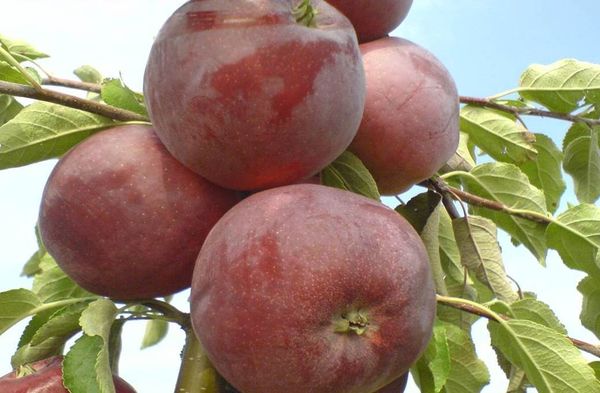
A very promising early-ripening variety bred in America. It has high immunity to all five types of scab, as well as powdery mildew, is frost- and drought-resistant, and blooms and fruits abundantly in any climate. Ripening occurs in two stages, with the first flush ready for harvest in the first ten days of August. It has a long shelf life of approximately 1.5 months.
The fruits have exceptional marketability and a colorful appearance: large (110–140 g), the skin changes color from light red to deep cherry as it ripens. The flesh is crisp and juicy, yellow with pink flecks, and the flavor is sweet, with virtually no acidity. Williams Pride trees are short (3–4 m) and begin bearing fruit at age four.
Moscow pear
The oldest (bred in the late 18th century), well-known, and widely cultivated apple variety. It has exceptional winter hardiness (withstands temperatures down to -50°C), but can drop fruit in hot conditions. Unfortunately, it is susceptible to fungal diseases, particularly scab, which in some years can destroy the entire crop.
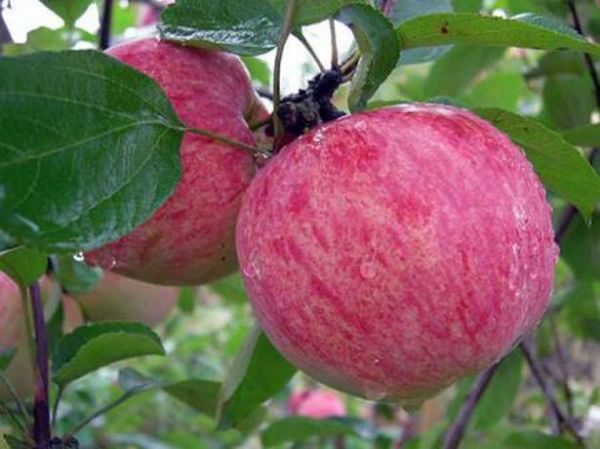
Grushovka trees are short (up to 6 m) and bloom and bear fruit in the fourth to fifth year. Harvesting begins as early as late July, and in some regions as early as August. The fruits are quite small (60–90 g), round, and slightly flattened. The skin is greenish, developing a crimson striped blush as it ripens. The flesh is moderately loose, juicy, and aromatic. Productivity – up to 120 kg from 1 apple tree.
Quinti
A relatively young (born in 1986) Canadian variety, ideal for mild and moderate climates. It is immune to powdery mildew but susceptible to scab and does not tolerate low temperatures or drought well. Trees require attention (watering, pruning, fertilizing, and whitewashing). Fruit ripening begins in mid-July and continues until August.
This apple tree is compact and low-growing (3–4 m), beginning to bear fruit in the fifth or sixth year. The fruits reach a weight of 115–130 g, with a greenish-yellow skin that develops a deep raspberry-red blush when ripe. The flesh is yellowish, moderately juicy, and has a sweet and tart flavor. Fresh apples have a short shelf life—no more than two weeks.
Chinese golden
A highly frost-hardy Michurin variety, obtained by crossing the White Naliv with the Kitayka apple. It is widely distributed throughout the country, from the southern regions to the Far North. The Kitayka Golden apple tree reaches a height of 4–6 m, begins bearing fruit in the third or fourth year, and requires little care. It has low resistance to scab.
Apple ripening, like harvesting, occurs gradually – from the second half of July to the first ten days of August.
The fruits are small (40–60 g), round, and often irregular in shape. The skin is yellow, with an amber tint on the sunny side. The flavor is pleasant, slightly tart, similar to the White Naliv. The apples have a shelf life of 7–10 days.
Mantet
One of the most popular summer varieties, bred by Canadian specialists through open pollination of Moscow Grushovka seedlings. The colorful, marketable fruits are quite large (130–180 g), and ready for harvest in late July. Ripening skin is easily distinguished from fully ripened skin—it changes from greenish-yellow to a solid red with dark burgundy flecks. The apples have a delightful, sweet flavor, in many ways superior to Moscow Grushovka.
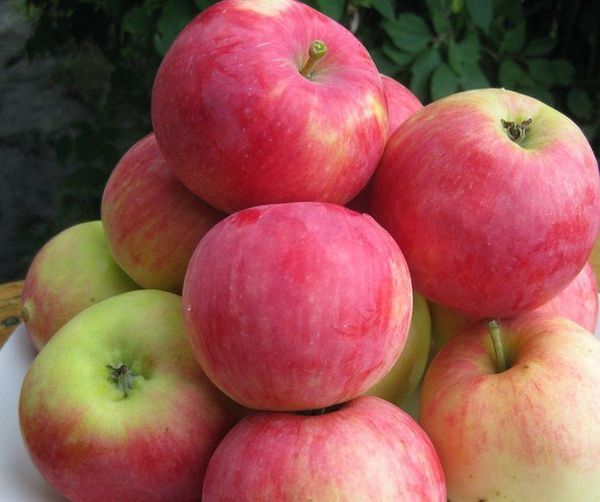
The apple tree has a compact crown, is short (about 5 m), and begins to bear fruit in the fourth year. The variety is fairly resistant to powdery mildew, but is susceptible to scab. Frost resistance is average—the crown sometimes freezes, and severe winters can kill the tree. The yield is high annually, but the fruit becomes smaller as the tree ages.
Melba
Melba apples aren't the earliest (ripening in the second half of August), but unlike other varieties, they have excellent marketability and appearance. The variety was developed in Canada from the McIntosh apple. Despite being a summer apple, Melba fruits have a long shelf life (up to 120 days), are easy to transport, and are very profitable to grow commercially.
The trees are short (up to 5 m), grow vigorously, and bear fruit every 4–5 years. The fruits are quite large (150–180 g), yellowish-green in color, and covered with a striped pink-red blush on one side. The flesh is juicy, with a delicious sweet flavor and a slight tartness. The yield per tree is 60–70 kg.
Early Geneva
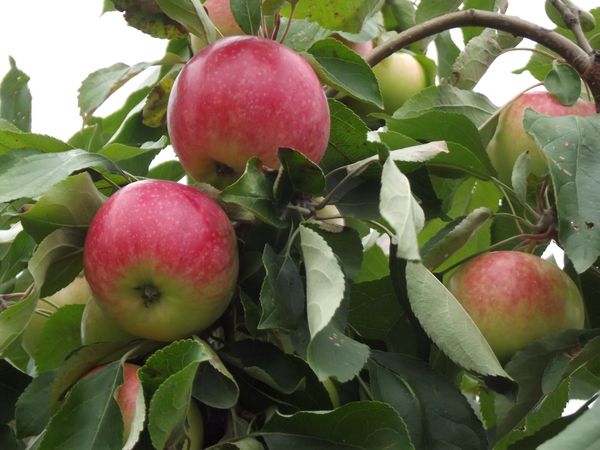
An extremely early American-bred variety with a proven track record worldwide. Its fruits ripen among the first—approximately 10 days earlier than Papirovka and Bely Naliv. This apple tree is classified as a semi-dwarf. It tolerates frost well and thrives in the central and central Black Earth regions, but is often susceptible to scab. It requires careful maintenance (pruning, fertilizing), prefers sunny sites, and is drought-tolerant.
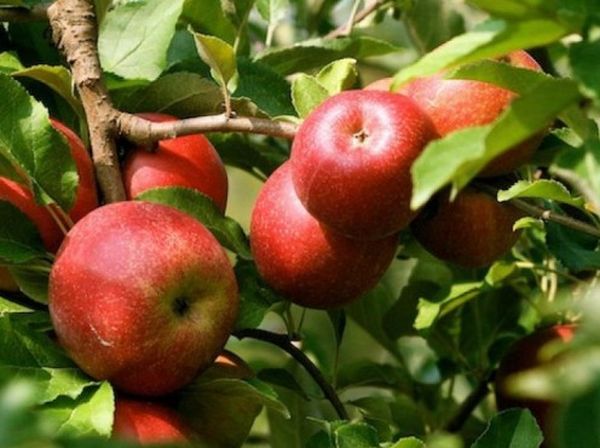
The fruits are medium-sized (130–150 g), slightly flattened, and beautifully yellow, developing a deep blush as they ripen. The flesh is refreshing, crisp, and aromatic. The apples have a very sweet, dessert-like flavor. They transport well and store well for about three weeks. Above, we've described the most well-known and popular apple varieties with early-ripening fruit. After reviewing them, you'll certainly be able to decide which variety is right for you and what conditions you need to create to ensure your apple tree will delight you with a bountiful harvest for many years to come.
Video "Summer Apple Varieties"
The author of this video talks about early summer apple varieties.