
Description and cultivation of the small-fruited apple tree variety Ranetka
Content
Description and varieties of the variety
The Ranetka apple tree is a small-fruited apple tree. It was created by crossing a wild Siberian apple tree (one of the most frost-hardy) with European varieties. This was intended to maintain resistance to low temperatures while simultaneously increasing the fruit size.
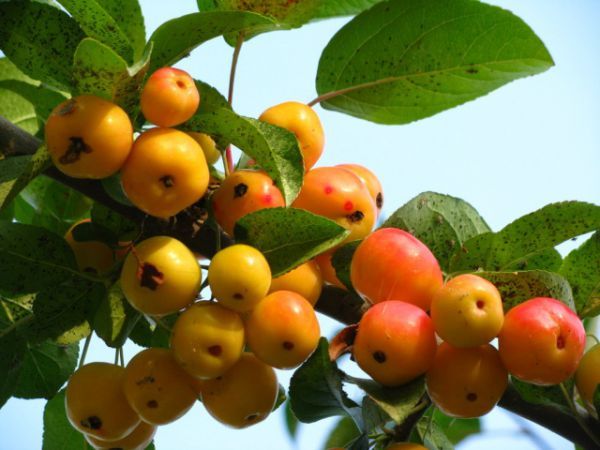
Also, don't confuse ranetki with renetki, which are heat-loving and boast much larger apples than ranetki. Therefore, despite their similar names, these varieties have completely different characteristics.
Ranetka is a common name for a fairly large number of apple tree varieties that have similar characteristics. The most popular varieties include Dobrynya, Ranetka Krasnaya, Ranetka Zolotaya, and Yantarka Altaiskaya; we will examine them in more detail below.
Main characteristics
Let's start with Dobrynya, a variety that boasts good resistance to low temperatures and vigorous growth. The tree also has high scab resistance and tolerates drought well. The apples ripen quite quickly—by the fourth year, you can harvest fifty kilograms of excellent fruit.
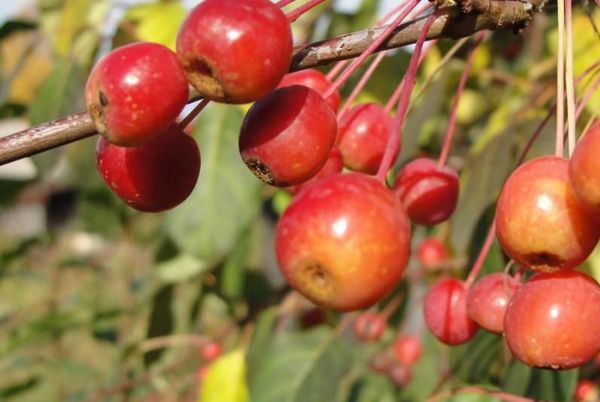
However, some cyclicality is noted in this process: a slight decline in yield is observed every 3-4 years. The fruits are very light in weight (up to 15 grams), flattened, and heavily ribbed. The skin is purple, and the flesh is very dense and juicy, with a greenish tint. The flavor is quite tart and slightly sour.
The Red Ranetka variety is highly resistant to low temperatures and is characterized by a long growth period. Its apples are very small—only 9 grams—and have a very tart and tart flavor, with juicy, creamy flesh. The harvest begins in September, but the apples don't store for more than two months.
Zolotoy Ranet is a variety with exceptionally fast ripening. Already in its second year, it will delight you with small, sweet, golden apples. The flesh is white, slightly yellow, very juicy and sweet, with almost no tartness.
And finally, the Yantarka Altaiskaya variety, distinguished by its longevity and exceptional winter hardiness, produces its first harvest as early as the fourth year after planting, and bears fruit abundantly and consistently. Its fruits are small (up to 10 grams), yellowish in color, spherical, and prominently ribbed. They have a rather tart flavor.
Planting and care
Choosing a site for planting this tree is easy, as the plant is quite undemanding. The only thing critters don't tolerate is proximity to groundwater. It's essential to select a site on elevated ground or ensure good drainage.
Planting is done either in early spring or in autumn, a few weeks before the onset of cold weather, as the tree needs time to take root properly. The area that needs to be allocated for one tree directly depends on the chosen variety: for some, the distance between trees must reach 5 m, while for others, a distance of 1 m is enough.
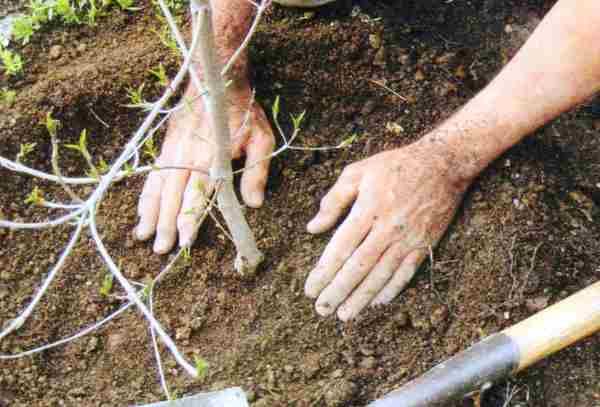
First, prepare a hole measuring one meter by one meter, up to 90 cm deep. Mix the soil with fertilizer (peat, humus, ash, superphosphate) and compact it. Then, place the seedling in the hole, ensuring the root collar is a few centimeters above ground level. Its roots are spread out and covered with soil. To prevent the tree from breaking, tie it to a stake driven into the ground for the first few years.
The plant doesn't require extensive care, but regular pruning is necessary, removing dead and diseased branches, fertilizing, and carrying out preventative maintenance to protect the tree from various pests and diseases. It doesn't require abundant watering, as it's well-adapted to arid climates. Furthermore, watering during the ripening period is not recommended, as this can significantly shorten the shelf life of the fruit.
Pests and diseases
Wild apples are quite resistant to various diseases and pests, but don't forget about prevention to eliminate even the slightest risks.
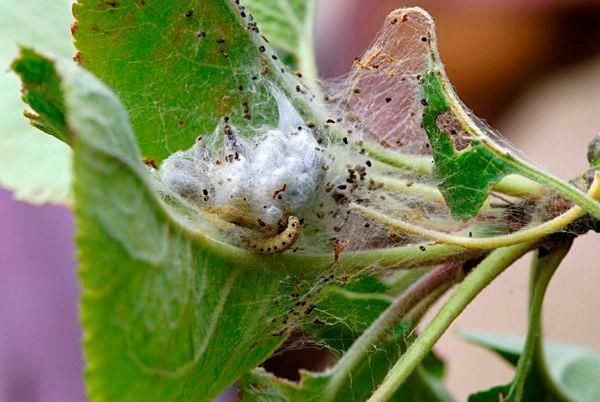
One common pest is the apple moth. These small moths, whose caterpillars overwinter in tree bark or fallen leaves, begin actively destroying the plant's buds and leaves after emerging. After pupation, the moths continue to destroy the tree by laying eggs again. This pest can be controlled with products such as "Antio" or "Gardon," sprayed on the tree in spring and fall.
The plant can also be susceptible to fruit rot. This fungal disease affects the fruit, appearing as brown spots that spread across the apples' surface. Conidia form in the center of the spots, and spores from these conidia spread to other fruits. Affected fruits should be immediately picked and destroyed (preferably by burning). Strobi and Gamair are used to combat the fungus.
Many varieties of this cultivar are resistant to scab, but the plant can still be affected. To prevent the disease, use Zircon or saltpeter.
Pros and cons
The advantages of this variety include frost resistance, drought tolerance, ease of care, high yield and early fruiting.
Disadvantages include the fruit's size (very small) and the sour taste of most varieties. Furthermore, if the apple tree reaches a significant size, it will need more space in the garden. Furthermore, some varieties have low disease resistance.
Video: Apple Tree Care
This video will teach you how to effectively care for apple trees in your garden.