
How to properly graft an apple tree onto a wild apple tree
Content
When is the best time to vaccinate?
Half the success of the grafting procedure lies in choosing the right timing. Once the time has been determined, it's time to consider how to graft the apple tree onto the wilding. It's important to know that the timing of this procedure depends on the weather and temperature conditions typical for the growing region. For example, in the central part of Russia and the Southern Urals, grafting is performed in the spring. The best period for this is mid-April to late May. During this time, trees experience:
- resumption of their vital activity after hibernation;
- Activation of sap flow. This parameter is most important for the successful survival of the scion.
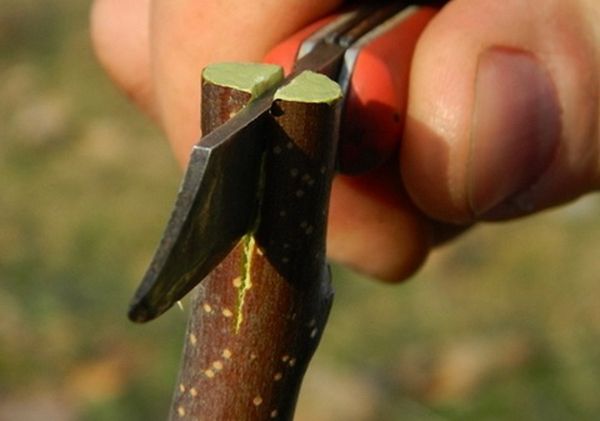
Vaccination can also be performed in summer (from mid-July until August 10–15). During this time, fruit trees experience the second stage of sap flow activation. This procedure is most often performed in the summer months, as the survival rate of cuttings is at its highest. Therefore, inexperienced gardeners should perform this procedure in the summer. Experienced gardeners who have successfully grafted cuttings many times can resort to spring grafting.
Preparation of the rootstock
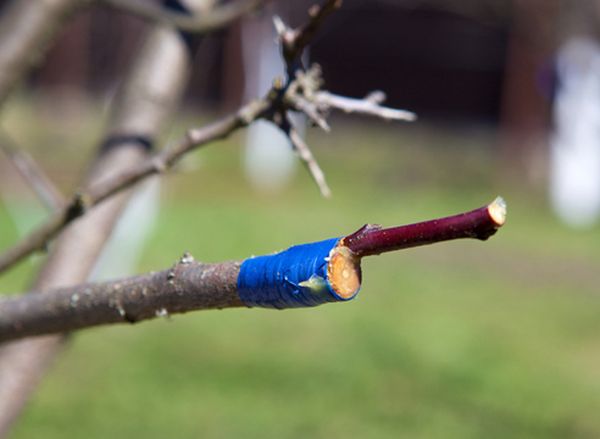
A crucial aspect of this gardening procedure is the selection and proper preparation of the rootstock. Rootstocks are young seedlings grown from a single seed. Experienced gardeners recommend using 2-3 year-old apple seedlings. A mature tree will also work. Pears and any stone fruit varieties are suitable for grafting apple trees.
You can even use rowan. However, this operation will be most successful using wild pear trees. Wild pear trees are the ones that respond best to apple cuttings. The second best option is using apple trees. A strong, healthy specimen is suitable as a rootstock. The dug-up seedlings should be able to take root in the garden.
Preparing the scion
It's important to know what can be grafted onto the chosen tree. Strong, young branches are usually used as scions. The current year's growth is taken. Sample cuttings are prepared in the fall, after they have been hardened by the first frosts. It's best to choose varietal apple trees that produce fruit with high marketability and flavor.
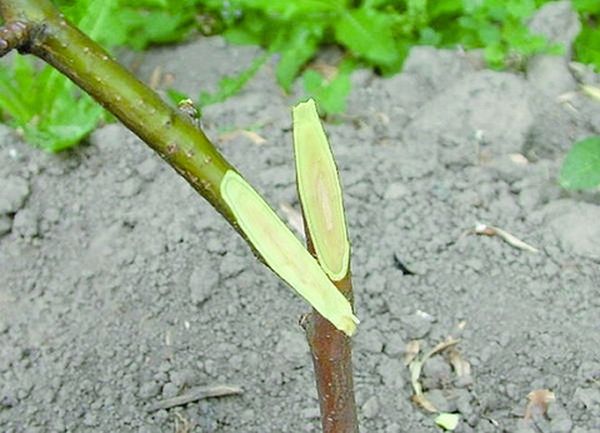
For grafting, you should use branches that grew from the southern edge of the trunk.
The selected branches should show no signs of damage from pathogenic microflora. They are cut into lengths of approximately 20–30 cm. Over the winter, the cuttings should be stored in a cool place. The refrigerator is ideal (wrapping the specimens in a damp cloth and a plastic bag), but you can also simply stick them in the snow.
To keep the buds on the scions dormant, the specimens are placed in a bag. The bag is then wrapped in cardboard or something similar. The paper bundle is then wrapped in fine metal mesh to protect the scion from rodents. Only then are the specimens buried in snow. With this preparation, grafting onto the wild rootstock is performed in the spring.
Which grafting method should I choose for wildings?
Today, a number of techniques have been developed for grafting apple trees in the spring:
- By the bark. This is suitable for grafting thin cuttings onto a large branch. The scion sites should be thoroughly cleaned of dirt and dust. Use only clean garden tools. First, trim the bark with a knife. Approximately 2-5 cm should be removed. The graft is made into a cut in the bark. The lower part of the scion is cut off at an angle. After this, it is firmly inserted into the cut made in the bark. The scion is secured with a bandage. This method allows grafting 5-6 cuttings at a time. However, there should be 4 cm of space between them. A disadvantage of this method is the low survival rate of the scion. It may not firmly adhere to the rootstock.
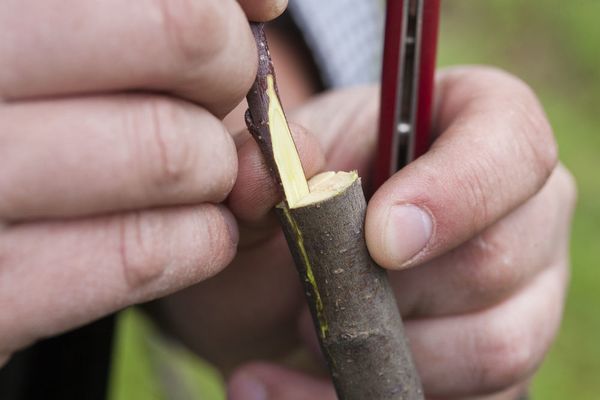
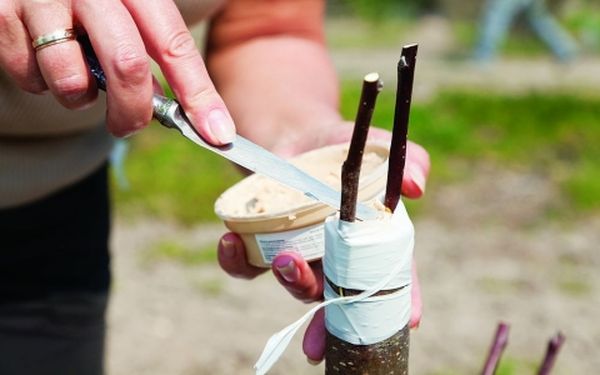
- Cleft grafting. This method yields a high survival rate for scions. It is suitable when the scion and rootstock are of similar or different thicknesses. The rootstock is trimmed slightly and split down the center. A wooden wedge is driven into the resulting split. Cuttings 2.5 cm long are used for grafting. The specimens should have 2-4 buds. The bottom of the scion is trimmed to form a double-sided wedge. Next, it is inserted as deeply as possible into the formed split. The wooden wedge is then removed, resulting in a tightly held scion. Next, it is wrapped with tape and sealed with garden pitch. A plastic bag should be placed over the scion itself.
As we can see, the second method is best for wild apple trees. It almost always produces positive results.
Grafting technique
Regardless of the grafting method used, the gardener must strictly follow the correct technique. Step-by-step instructions are as follows:
- determining the time of the event (spring or summer);
- selection of rootstock and scion;
- The scion is prepared before this procedure. The branches are removed from where they were stored over the winter, and sometimes even during the spring. Those cuttings with 2-3 buds are selected;
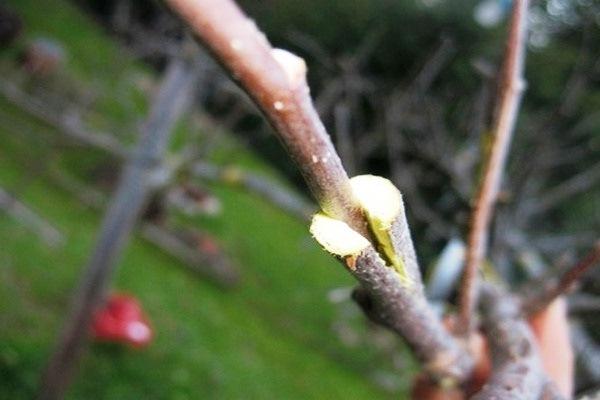
- Next, the cuttings are trimmed. The top cut is placed 1–3 cm above the topmost bud. The placement of the bottom cut depends on the chosen grafting method;
- Next, the junction is prepared on the rootstock. The bark of the selected area is cleaned of dust and dirt. Next, the required cut is formed. The type of cut also depends on the grafting method.
- The scion and rootstock must have maximum contact area. Otherwise, the scion will not be able to root well.
- The procedure is completed by fixing the scion and coating the contact area with garden pitch.
After this procedure, the vaccination requires special care.
Vaccination care
After new shoots have formed on the scion, use a knife to remove the tape that was holding the grafted branch in place. At the same time, remove the plastic bag. Any branches that have grown below the point of contact should be removed, as they will not bear fruit. Now you know how to properly graft an apple tree onto a wild apple for a successful outcome.
Video: "Grafting an Apple Tree onto a Wild Apple"
This video will show you how to properly graft an apple tree.