
How to select and grow apple tree rootstocks
Content
What is a rootstock?
Let's start with the fact that if the seedlings are grafted, they consist of rootstocks and scions for apple trees. What is a rootstock? A rootstock is a kind of foundation onto which the corresponding scion (scion) is later grafted.
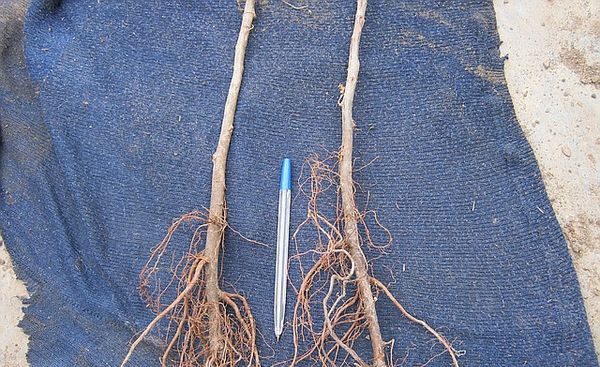
Selecting rootstock and scions for an apple tree is a very important task, as they must be well-compatible. For example, if I choose scions that are unsuitable for an apple orchard, the apple trees will never produce high yields, and their lifespan will be significantly reduced. Therefore, if you want to always get the best results when choosing rootstocks for apple trees, make sure they are compatible with the scions.
Types of rootstocks
Apple rootstocks are divided into several types. Depending on their vigor, they are classified as vigorous, medium, or dwarf. The latter can also be dwarf or semi-dwarf. There are also clonal and seed rootstocks.
Clonal
If you're interested in planting and growing trees on clonal rootstock, be prepared for them to be dwarfed. So, if you're looking for a vigorous tree, it's better to choose a different rootstock. However, this type has undeniable advantages—for example, all trees begin bearing fruit quite early, so you'll get a harvest from an apple tree grown this way very quickly.
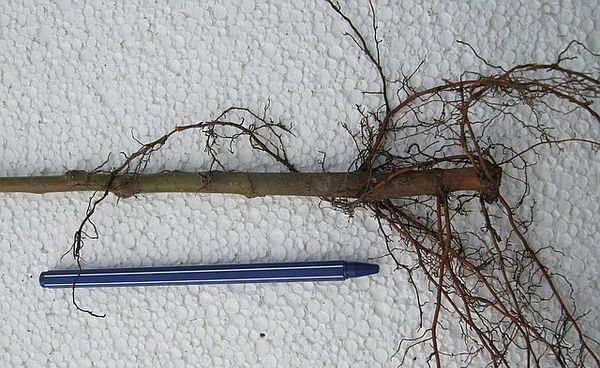
Moreover, it will gradually increase in size each year. Another advantage is that you don't have to worry about extra space when planting. The trees grow small, so they can be planted in a small area. However, during the first few years of growing the plant this way, remember to remove flowers and fruit buds to avoid depleting the tree. The tree's roots can also freeze (so it's best to take additional measures to insulate it for the winter), and it needs to be tied up. The plant doesn't have a very long lifespan (up to 17 years).
Rootstocks from different apple varieties
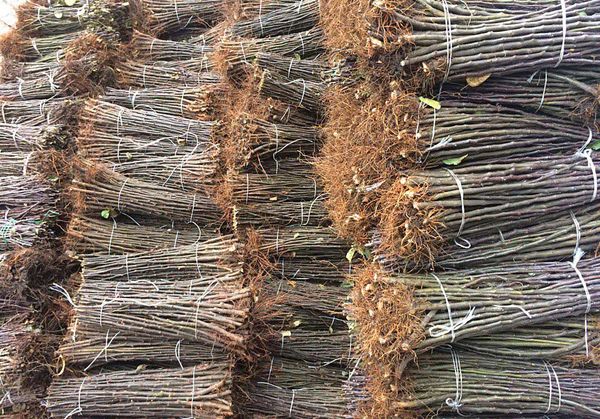
Rootstock is typically taken from the seeds of wild or cultivated apple trees. This is a very good option, as it is compatible with absolutely any apple variety. It is used to ensure that after planting, a strong, vigorous tree with a well-developed root system is obtained. If no pruning is performed, the tree can grow to a true giant – reaching a height of 7 meters!
The tree's age increases to 70 years, which is incomparable to the previous species. Although the trees begin bearing fruit relatively late (at 7 or 8 years of age), they produce a very good and abundant harvest. Of course, if you have a small plot, it's best to avoid this option and opt for the previous one. Otherwise, you'll have to do everything possible to ensure a distance of at least five meters between trees, which is extremely difficult in a small plot. Furthermore, the tree's height significantly complicates its care. And we're not just talking about sanitary pruning—if pests or diseases suddenly attack your favorite tree, treating it will be extremely difficult if the "patient" reaches a whopping 7 meters in height!
Other rootstocks
It is possible to graft an apple tree not only onto a “traditional” rootstock, but also to use other trees for this purpose.
For example, there are scions for apple trees on rowan, chokeberry, or even pear. Naturally, grafting an apple tree onto a completely different tree can be very difficult, and requires considerable effort. The most successful attempts are those growing an apple tree on a rowan rootstock.
Although failures are common here, and breeders often fail to achieve the desired results. Rowan has excellent frost resistance, is also a very undemanding plant, and produces abundant harvests. This is why the prospect of crossing it with an apple tree seems very tempting. Attempts to combine apple and pear trees have been less successful, although there have been some successes. Overall, if you don't want to take the traditional route and are eager to experiment, this process is perfect for you.
How to grow rootstocks
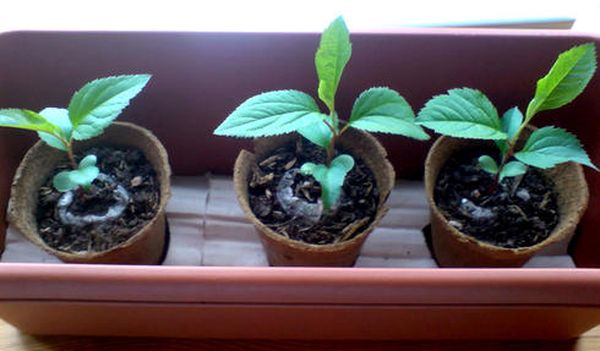
Where can I get rootstock? You can grow it yourself from apple tree saplings. The saplings themselves are grown from seeds (pits). First, the seeds are harvested, then stratified (exposed to cold). This process can take anywhere from 30 to 90 days, depending on the apple tree species.
If mechanical sowing isn't possible, you can sow the seeds naturally in the fall (but only if the soil is light enough). Alternatively, you can take a simpler approach and place them in a cool place (for example, a basement). Alternatively, you can take a more drastic approach and bury them in snow before sowing. Sow the seeds in shallow furrows, just a couple of centimeters deep, and water the soil thoroughly afterwards.
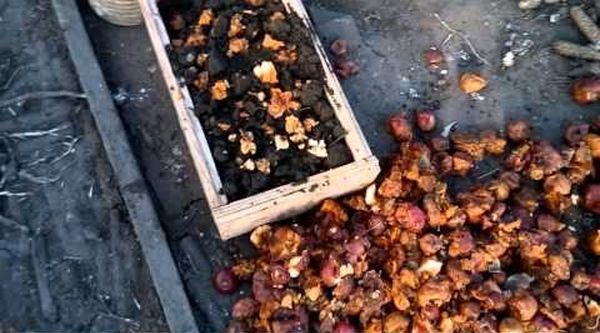
Pricking out is done as soon as the cotyledons begin to emerge, until at least two true leaves appear. After this, the seedlings need to be transplanted and watered, remembering to mulch the soil. Further care consists of weeding, loosening the soil, and fertilizing. By following these recommendations, you can grow your own seedling rootstock.
Video: Growing Apple Rootstock
This video will show you how to grow apple tree rootstock.