
Description of the winter apple variety Pinova
Content
History and description of the variety
The Pinova apple variety was created by German breeders at the end of the last century. It was the result of crossing the popular Clivia and Golden Delicious varieties. Since 1986, it has gained considerable popularity and is now considered the most promising winter variety in Europe. There are many positive reviews of its cultivation in regions with mild winters.
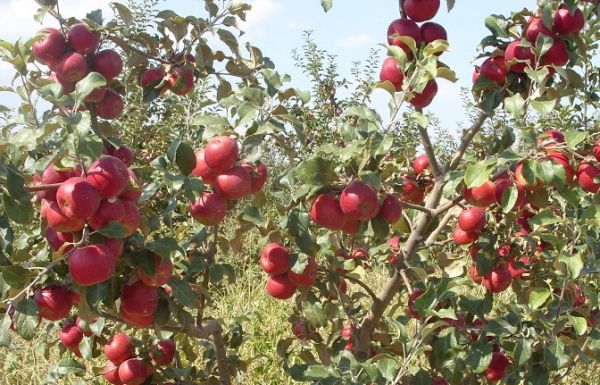
The description states that the tree, with a dense crown, grows up to 3.5 meters in height. The crown is usually spreading, broadly pyramidal or flattened, with drooping branches in mature trees. The elongated leaves with a pointed tip are dark green, pubescent on the underside. White flowers open in May, and by early June, ovaries begin to form. Beautiful, delicious fruits ripen by late September to early October, do not fall from the tree, and can be stored in the refrigerator for up to eight months without losing their flavor. They are said to be at their most delicious after the New Year.
Main characteristics
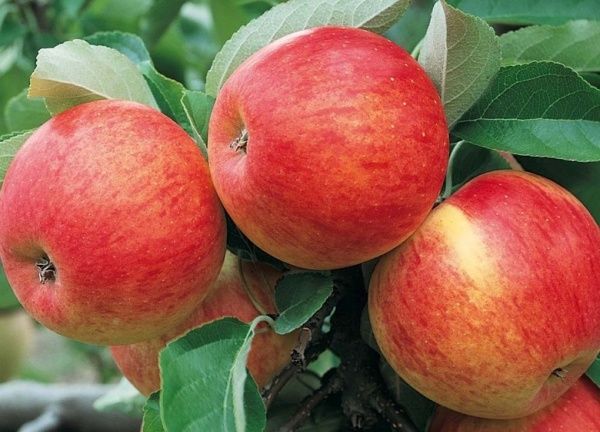
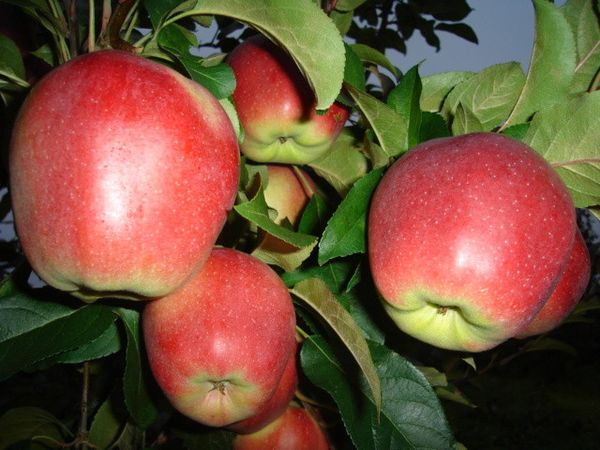
The Pine apple tree grows intensively until it begins to bear fruit, which begins in the 2nd or 3rd year. It is prone to excessive fruit set, so it's best to control this process by removing excess fruit. This will ensure a consistently high yield and large fruit. In the fourth year, you can harvest 32 kg, and after the fifth year, 50 kg of medium- to large-sized apples with an average weight of 180 g. The round or conical apples have a greenish-yellow color, but almost the entire surface is covered with a bright orange-red blush, through which yellowish spots are visible.
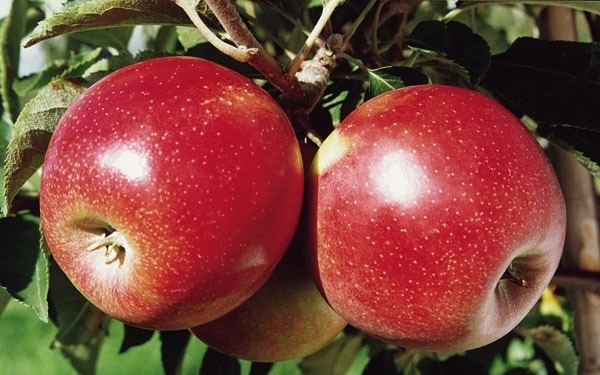
The apples are covered with a smooth, shiny, and fairly dense skin, which allows them to be stored and transported well. The flesh is yellow, juicy, and crisp, and yields easily to pressure. Therefore, when harvesting, extreme care must be taken not to drop the apples or squeeze them too hard with your fingers, as this can leave unsightly dents. These apples have received high marks for their flavor; they are sweet and tart, with a pleasant aroma and are versatile. They are eaten immediately after picking, although they develop a sweeter flavor as they age, making them ideal for making delicious compotes, preserves, jams, and marmalades.
The variety is characterized by moderate frost resistance, which is ideal for mild European winters. However, in central Russia, it is better to cover trees, especially young ones. Pinova is resistant to scab and other fungal diseases, but these can cause problems in cool, rainy summers. When grown commercially, orchards are typically treated with special pest and disease prevention products in early spring and after harvest.
Cultivation and pollinators
Pinova prefers open, sunny locations but thrives in shaded areas. It prefers light, moist, nutritious soil but tolerates drought during hot summers, though close proximity to groundwater is highly undesirable. For planting, it's best to buy a one- or two-year-old seedling with closed roots (exposed roots should be carefully inspected before purchase and thoroughly moistened before planting). It's best to prepare the soil in advance, especially if it needs to be made more breathable and nutritious. Dig a planting hole 30–50 cm deep (depending on root length) and about 60 cm wide. Mix the excavated soil with compost, humus, and mineral fertilizers. After planting, water the tree, check to see if the root collar remains exposed, and mulch the area around the trunk.
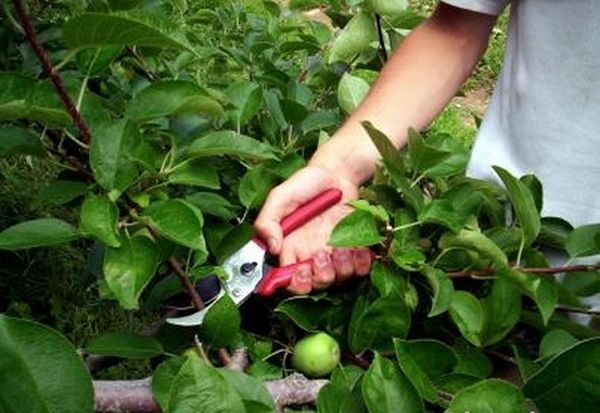
Pruning begins in the first year of planting, shaping the trunk and skeletal branches, and shortening the shoots. In the first or second year, apply nitrogen fertilizer twice before midsummer to promote faster growth. After fruiting begins, growth slows, limiting nitrogen applications to one time in the spring. After flowering, mineral fertilizers focusing on potassium and phosphorus can be applied. Throughout the season, it's advisable to mulch the area under the tree's crown with humus, compost, sawdust, or peat—all of these make excellent organic fertilizers.
The fruit set is usually very large, and the number is controlled manually. It's especially important to pluck more fruit in the first few years to avoid exhausting the young tree and ensure a large harvest later. To achieve this, other varieties should be grown in the area, as this variety is self-sterile. The best pollinators are Idared, Champion, Gloucester, Golden Delicious, and Melrose.
The tree needs to be watered up to five times per season during the first couple of years, especially during dry summers, but no later than the end of July. A mature tree is usually watered three times: at the height of flowering, after flowering, and three weeks before harvest.
To prevent diseases and protect against potential pests, it's important to keep the area under the tree clean at all times. The soil should be cleared of weeds and prevent fallen fruit, pruned shoots, fallen leaves, or other plant debris from becoming unchecked. In spring and fall, the area around the tree trunk should be completely cleared, dug as deep as possible (to avoid damaging the roots), or even replaced with new topsoil and mulched.
Pros and cons
The undeniable advantages of this variety include its early fruiting, ease of care, and resistance to scab, powdery mildew, and pest attacks. Other advantages include the high quality of the apples—excellent flavor, satisfactory transportation, and good shelf life.
The downside is its lack of resistance to fire blight and the need for protection from severe frosts. Apple trees of this winter variety are successfully grown in home gardens and on large farms.
Video: Planting Pinova Apple Seeds
This video will show you how to properly plant Pinova apple tree seeds.