
Advantages and disadvantages of growing apple trees on dwarf rootstocks
Content
Features of apple trees on dwarf rootstocks
Apple trees grown on dwarf or dwarf rootstocks differ somewhat from common varieties. A distinctive characteristic of these varieties is their short stature. Because the distance from the roots to the top is short, the trees experience increased water and nutrient flow through the trunk.
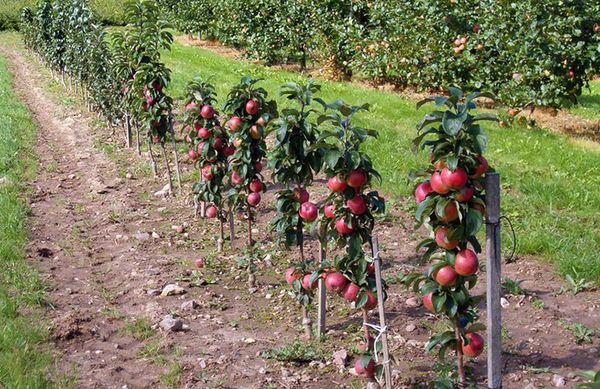
As a result, the plants expend minimal energy on life support. Meanwhile, "dwarf" varieties devote most of their energy to setting fruit and ripening. Therefore, these varieties are characterized by high yields.
Any variety grown on a dwarf rootstock is characterized by the following features:
- shortened internodes;
- large leaves;
- formation of a large number of flowers;
- small volume of roots;
- Wood can accumulate significant amounts of mineral and organic matter. This property results in poor trunk strength.
Despite the presence of common features, different varieties of dwarf apple trees differ from each other in certain parameters (ripening time, yield volume, etc.).
Review of the best varieties
To understand how to grow a dwarf apple tree, you must first determine its variety. To select the appropriate variety, you should first understand the growing requirements for each desired variety.
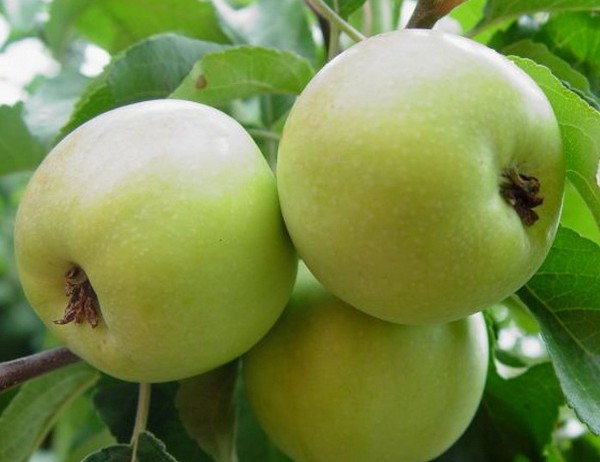
The most popular varieties are:
- Melba. The tree can grow up to 3 m in height. It's a summer variety. The harvest ripens from July to August. A single tree can yield up to 40 kg. One apple weighs about 200 g;
- Bratchud. A natural dwarf variety, the average height is about 2 m. It is distinguished by good cold resistance. One plant produces up to 100 kg of yield;
- Sokolovskaya. Also a natural dwarf, its average height is 2 m. The yield per tree is 65 kg.
- Carpet. Forms a horizontal crown. The plant grows up to 2 m and produces approximately 60 kg of apples. Characterized by good winter hardiness;
- Golden Delicious. An autumn variety. The tree is of medium height. Fruiting begins in the second year;
- Zhigulevskoye. It is distinguished by the long shelf life of its apples. The tree bears fruit 2-3 years after planting;
- Borovinka. Characterized by good cold tolerance. Harvesting begins 5 years after planting.
As we can see, some of the varieties listed above used dwarf or semi-dwarf rootstocks. To obtain a good harvest from such plants, it's important to plant the purchased seedling correctly.
Landing rules
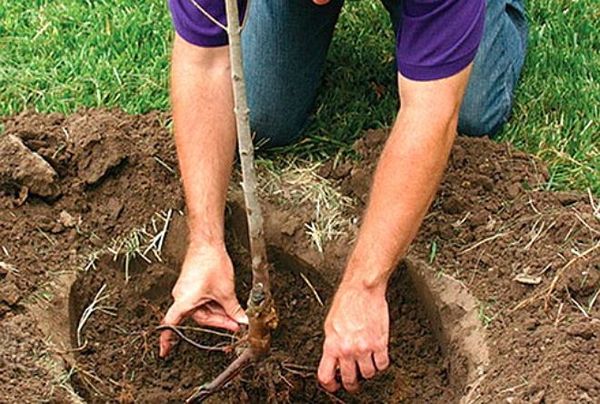
Dwarf apple tree varieties can be planted in either fall or spring. The planting guidelines are the same as for standard varieties. However, if dwarf apple tree rootstocks are used, certain considerations must be taken when planting these seedlings. For example, when planting, pay attention to the grafting site. This area should not be below ground, otherwise the tree will not thrive. The grafting site may also rot.
When planting dwarf seedlings, add humus, ash, or superphosphate to the soil. The hole shouldn't be too wide or too deep. The optimal depth is 60 cm. During planting, the roots should be evenly distributed throughout the hole. The root system should be gradually filled in. Each layer should be compacted thoroughly. Care should be taken to avoid breaking the fragile trunk. Therefore, be sure to tie the tree to a support structure.
Further care
After planting a dwarf apple tree, it's important to follow proper growing practices. Otherwise, fruit production will be low. To ensure a good and abundant harvest, the trees need regular fertilization.
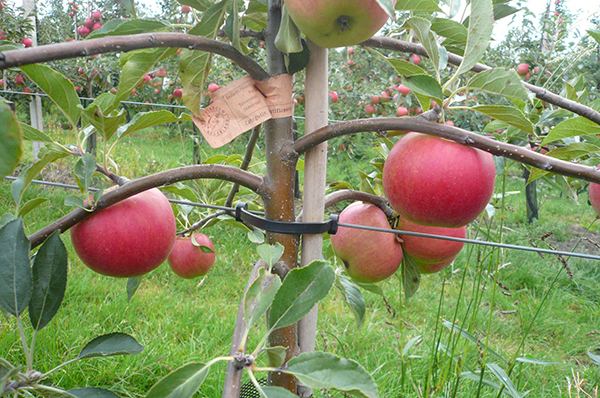
Mineral fertilizers are applied in the second or third year of growth. In addition, the soil around the trunk should be thoroughly loosened and weeds removed. Watering is regular. This is especially important in the fall and when growing in loamy soil. Pruning is essential, removing approximately ¼ of the branches. Only properly grown dwarf apple trees will produce a bountiful harvest every year.
Advantages and disadvantages
When choosing dwarf and semi-dwarf rootstocks for apple trees, you should remember their advantages and disadvantages.
The advantages of planting such trees include the following points:
- good yield. Peak fruiting usually occurs at 10 years of age;
fast receipt of apples; - the fruits have excellent taste;
- beautiful appearance of apples;
- compact dimensions that make harvesting easy;
- branches are not exposed to strong winds;
- easy care;
- many varieties have high cold resistance;
- low consumption of tree protection products against diseases and pests;
- You can plant seedlings in almost any climatic conditions.
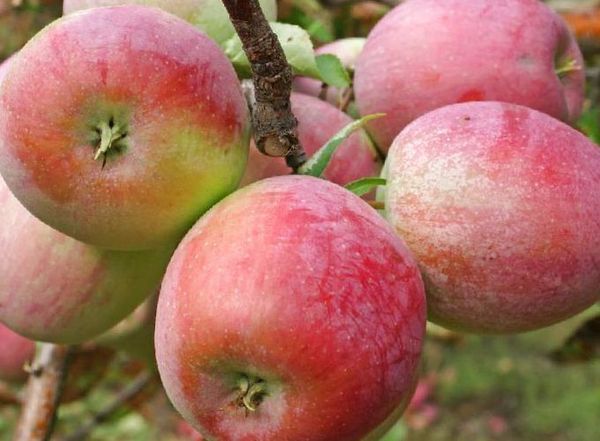
However, despite this impressive list of advantages, growing dwarf plants also has its drawbacks. These include:
- The close proximity of roots to the soil surface makes the plants sensitive to cold. Therefore, such trees require additional winter protection;
- Seedlings have high soil fertility requirements. Be prepared for this and begin fertilizing them as early as the second year after planting;
- unstable yield;
- need for supports;
- short fruiting period.
Growing an apple tree on a dwarf rootstock requires knowledge of the characteristics of these plants and strict adherence to care guidelines. This is the only way to ensure excellent fruit production from the planted tree.
Video: "Apple Tree on a Dwarf Rootstock"
This video will teach you about the characteristics of an apple tree grown on a dwarf rootstock.