
In what year does an apple tree begin to bear fruit after planting seedlings?
Content
When does an apple tree begin to bear fruit and what does it depend on?
How many years does it take to see the first fruits? Each crop has its own fruiting characteristics. Some berry crops produce the fastest yields, producing fruit after one year. Stone-bearing plants (such as cherries, sour cherries, and apricots) will begin bearing fruit in 3–6 years. Apple trees, a pome fruit crop, begin bearing fruit no earlier than 5 years later.
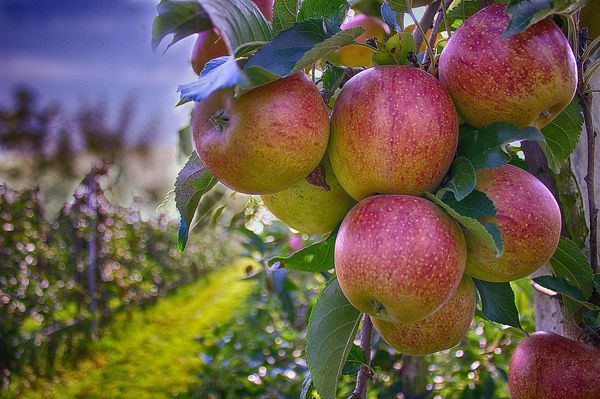
The most optimal apple tree for early fruiting is the Welsh variety. This apple tree variety is characterized by a consistent increase in yield each year. Dwarf varieties of seedlings also bear fruit early. Early fruiting is facilitated by dry, hot weather conditions during the tree's development. Rainy and cloudy weather slows the growing cycle.
How to bring fruiting age closer
Not everyone has the patience to wait for the apple tree they plant to bear fruit. Breeders adhere to proven cultivation methods. Meticulous care and dedication to the goal bring the harvest time much closer. The first fruit sets are formed more quickly using intensive agricultural techniques, such as:
- Biological. The method is based on the cultivation and development of varieties with new properties.
- Chemical. The use of ripening-stimulating substances has long been used in practice. This method slows the plant's upward growth and thickens the branches.
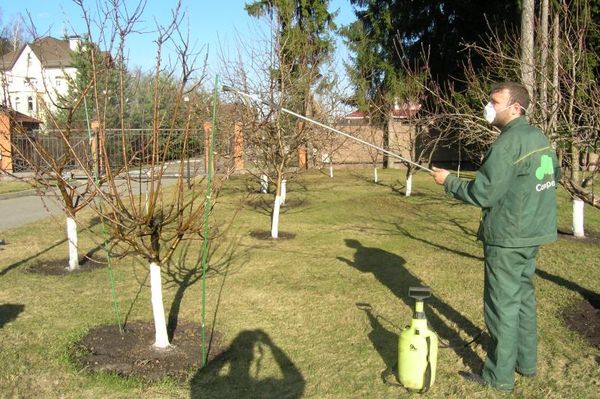
- Spraying method. The fungicide "DNOC" is diluted with water at a ratio of 1 gram per 1 liter. This product destroys flower buds. It is effective on fully opened buds. The substance does not interfere with bee pollination.
The simplest mechanical method is considered to be branch bending. Buds awaken due to the larger branches bending toward a right angle. This accelerates fruiting and slows growth. The length of the branch determines the number of ovaries.
Besides bending, there's also the girdling method. This involves removing the bark from the branch, turning it over, and securing it in a ring shape at its previous location. This method limits photosynthesis, and its products are redirected from the foliage and root system to budding.
The wire is used for the constriction method, which involves slowing down the downward flow of juice substances.
Fruiting periodicity
Every gardener dreams of an apple tree bearing fruit annually. Some apple varieties produce a limited number of fruiting ovaries. A stable harvest depends on proper crown formation, timely pruning, and ample watering.
Experts in traditional cultivation methods have achieved annual yields. Unnecessary ovaries are removed, thereby regulating the number of inflorescences and ovaries. Each year, different parts of the apple tree undergo this process.
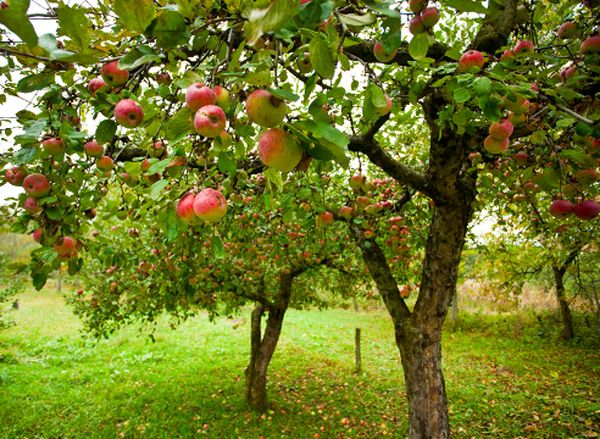
Due to the accumulation of nutrients for the coming harvest, this very “periodicity” is created.
Nature sometimes creates unfavorable factors for fruit development and ripening. These include the presence of:
- Frosts that destroy buds and flowers.
- A cold and rainy summer follows a winter with little snow. It is during this time that the ripening process occurs.
- Species and varietal diseases.
- Massive invasion of parasites.
- Lack of nutrients.
Video: "How and with what to fertilize fruit trees"
This video will teach you how to properly fertilize fruit trees.