
What can you graft an apple tree onto and how to choose a fruit tree?
Content
What to graft an apple tree onto
You don't need to be a great breeder to create a hybrid with special characteristics. Simply perform a few manipulations with cuttings in a specific sequence. The hybrid resulting from this propagation will delight you with its winter hardiness or high yield. The main thing is to know what to cross with what and remember to perform the procedure before the flowering phase begins.
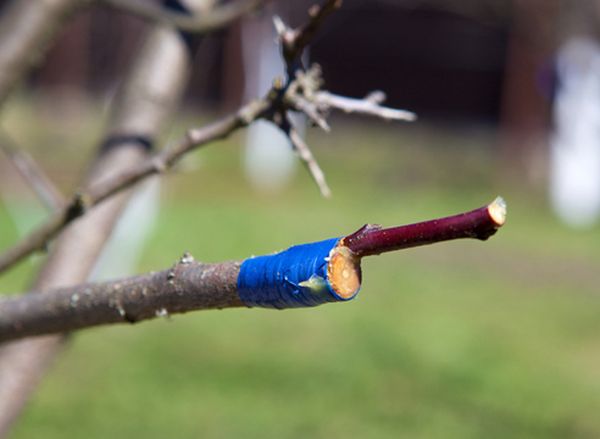
What can I graft a garden apple tree onto? Experienced gardeners recommend combining plants of the same species. That is, grafting the apple tree onto itself. Crossing a domesticated variety with a wild one is also acceptable. Often, cuttings of fruit trees of one variety are combined with adult tree-like cuttings of another.
Graft cuttings from crops whose fruits have excellent flavor and long shelf life onto varieties specifically designed for this purpose. This propagation method makes harvesting easier, as clonal rootstocks are usually short or even dwarf. For the same reason, pair a tree of a particular variety with a wild one that's been growing in your garden for a long time.
Gardeners often ask what else they can graft a fruit tree onto. Can they graft it onto a quince or an apricot? Crossing them is certainly possible, but the results often fall short of expectations. Such experiments are often futile, as they fail to produce a high-yielding hybrid. It's best to avoid crossbreeding between species, as the resulting hybrids usually yield infertile fruit. However, it's possible to try crossing different plants.
What to graft onto an apple tree
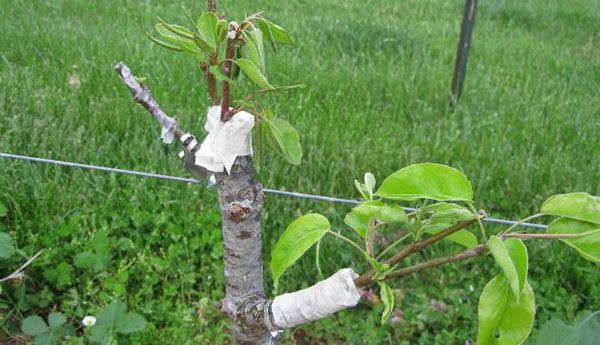
What can be grafted onto a garden apple tree? The most common method is to pinch the apple tree itself, but such experiments are not always successful and often fail to yield the expected results. This is due to the incompatibility of plant varieties within the same species. Therefore, it is best to select crossbreeding elements so that they belong to the same variety. However, such a combination is rarely necessary. Grafting an apple tree onto itself in the spring is necessary when:
- It is necessary to renew old trees on your site that have stopped bearing fruit;
- It is necessary to propagate local varieties in order to collect a rich harvest from the plot.
What to graft onto a crop? Pear trees are often used for this propagation method. In this case, it's important to know how to graft a pear tree to produce its fruit on another crop. The wood of both species grows at the same rate, so this cross has every chance of being long-lived.
Gardener's Tips
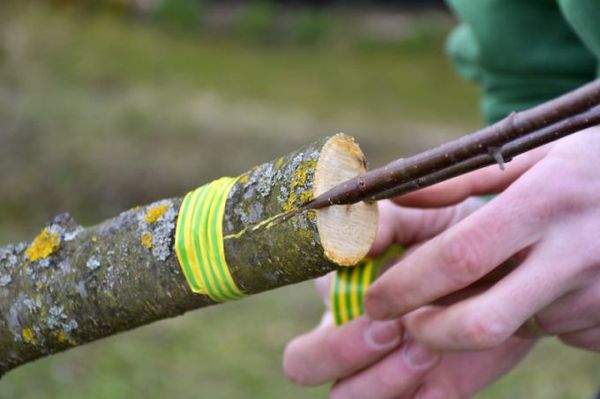
Many gardeners wonder what successfully grafts apple trees onto. Young or mature specimens of cultivated varieties are considered ideal. Less commonly, young specimens of wild species, which can be grown from seed or dug up in the forest, are used.
Apple tree rootstocks can vary widely. They are often grafted onto hawthorn, mulberry, aspen, quince, pear, viburnum, or rowan. Mulberry grafting is quite successful. Mulberry trees have a positive effect on fruit production, imparting a distinctive, pleasant flavor to the harvest. Therefore, using mulberry as a crossbreeding component is widespread.
Many people pinch their bird cherry trees, hoping for a positive outcome. However, this combination is often futile. Bird cherry trees should be "pruned" with other fruit trees.
What can you graft an apple tree onto? Quince is often "grafted" onto an apple tree. This propagation is not uncommon, as they are related. Grafting a quince means adding a hint of tartness to the fruit's flavor.
Is it possible to graft a fruit tree onto a birch? Birch is often used for this purpose, but the results don't always meet expectations. That's why it's best to replace the birch component of the cross with something else.
Apricot grafting, like plum grafting, is quite successful. Therefore, plums are often used as rootstocks, while maple is best avoided for this purpose.
Fruit can be pinched onto representatives of other species very carefully, taking into account several factors:
- This type of propagation is short-lived, compared to those where the elements of crossing are of the same variety.
- The pear tree thrives on the apple tree, but it doesn't "accept" it. That's why grafting the plant can only be done experimentally.
Alternative rootstocks are widely used by gardeners. Given the choice between destroying fruit trees or grafting, they usually opt for the latter.
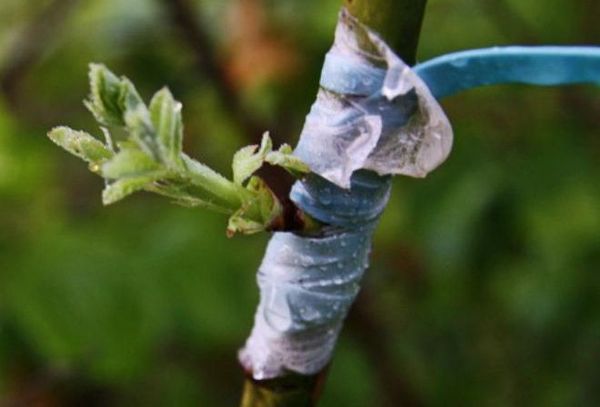
If you are looking to increase the yield of a tree-like plant, it is better to combine plants of certain varieties. If you have other goals in mind, graft other members of the same type onto the tree-like rootstock. This way, you can see for yourself which rootstock is best for the tree-like rootstock.
Thus, successful crossbreeding of a plant with other plants can only be achieved after the correct selection of grafted crops. Therefore, choosing the scion must be done with particular care.
Video: "Apple Tree Grafting"
This video will show you how to graft an apple tree.