
Description of the columnar apple tree variety Moscow Necklace
Content
Description of the variety
The columnar apple tree "Moskovskoe" was developed thanks to the fruitful work of Russian specialist Kachalkin. The new variety is zoned for central Russia and can also be grown in Siberian regions. This apple variety produces fruit for late autumn to winter consumption.
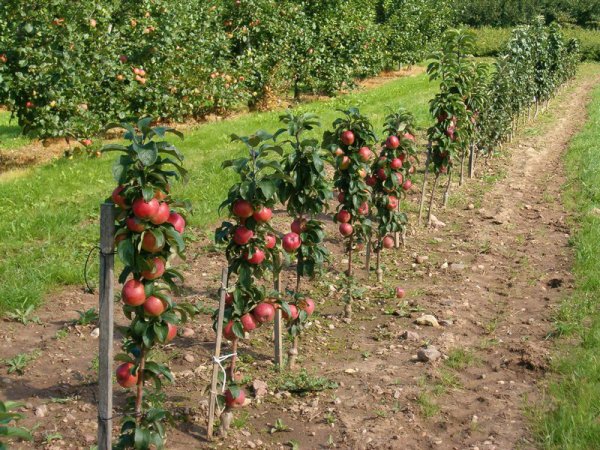
The Moscow Necklace columnar apple tree is a semi-dwarf cultivar. It resembles a columnar tree, reaching 2 meters in height.
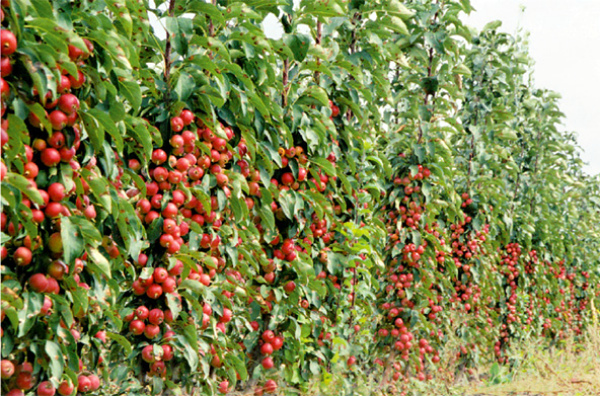
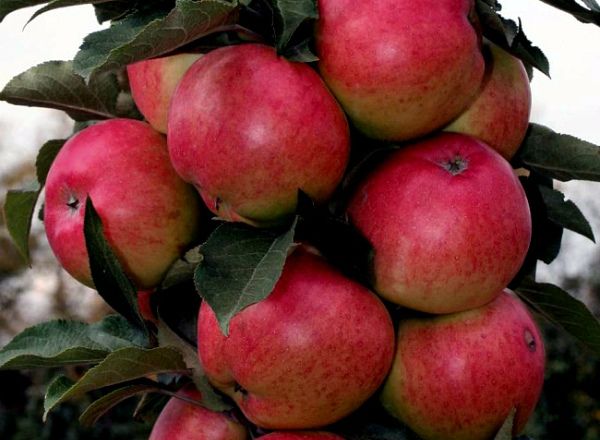
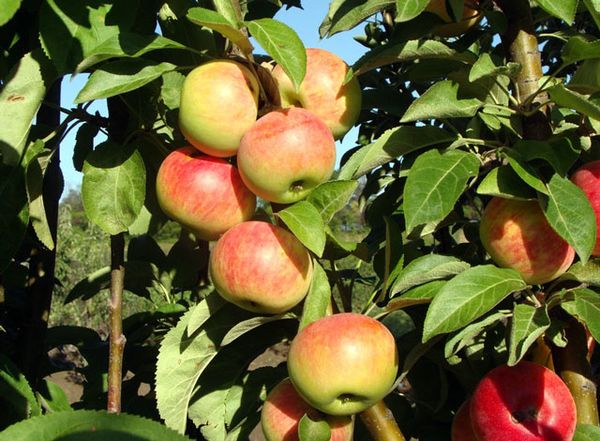
The crown is quite compact and covered with abundant foliage. At one year of age, the seedling is approximately 80 cm tall and has a resilient root system. The fruits can weigh between 130 and 250 grams. Unripe fruits are usually green with a blush. When fully ripe, the base color deepens, and the blush takes on a deep red hue.
The fruits are spherical in shape, covered with a thin yet dense skin. Inside is white, firm, and juicy flesh. These apples are considered dessert apples because of their sweet taste with a slight tartness and subtle aroma.
Main characteristics
This variety is not self-fertile, so other apple tree species should be grown nearby to ensure pollination. According to gardeners, the well-known columnar Moskovskoe Ozhelie apple tree can produce delicious fruit within the first year of planting. Fruiting is regular and annual. Productivity increases gradually, peaking between 4 and 6 years of age. Productivity declines by the time the tree reaches 10 years of age.
This cold-hardy variety boasts excellent resistance to scab and a number of other diseases. The harvest can be stored for up to two months from harvest. Its versatile use—the fruit, rich in pectin, is good not only for fresh consumption but also for canning, drying, and making jam. Seedlings take root well after planting.
Growing and care
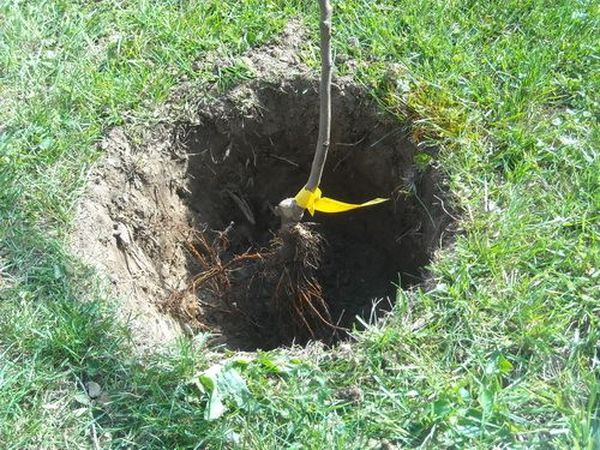
For normal seedling growth, select a well-lit location with fertile sandy loam or loamy soil. Aeration and good drainage are also essential. Planting should be done using a pattern that suggests a distance of 60 cm between plants and approximately 130 cm between rows. Fill the planting hole with the excavated soil, mixed with compost and humus. A layer of mulch is recommended. Saplings should be tied to a support.
Care, according to reviews from beginning gardeners, is quite simple. It includes scheduled maintenance such as regular watering, fertilizing, and disease prevention. Any type of organic fertilizer, except fresh manure, is suitable for fertilizer. Three applications are recommended per season. Urea has proven itself as a good fertilizer in the spring. It is also common to water the crops with slurry diluted at a rate of 900 grams per 10 liters. With the arrival of summer, fertilizing is done with wood ash.
To avoid watering too frequently, it is recommended to mulch the tree trunk area.
Trees don't require protection from the cold, as they can easily withstand temperatures as low as -42 degrees Celsius. However, prolonged frosts and a near-total absence of snow in the area can cause apical bud dieback.
Any lateral shoots that appear in this case should be removed immediately. Regular pruning involves shortening the thin shoots. It is recommended to coat the cut areas with drying oil or a special garden varnish. It is best to plant apple trees in September–October, as the tree tends to bloom immediately after planting, which drains the tree's energy.
Pests and diseases
Even with proper care, apple trees of this variety can be affected by spotting and moniliosis. Pests that can attack these crops include codling moths, aphids, and Schlechtendahl mites. To repel codling moths, gardeners often sow various aromatic herbs between the trees. Acaricide treatments are effective against other types of pests and infections. If you don't want to resort to chemicals, you can try spraying with tobacco and ash solutions. It's a good idea to attract birds to the garden, as they are natural enemies of pests and will prey on them.
Pros and cons
In addition to its high yield (each tree yields approximately 10 kg of fruit, which is quite a lot for a columnar apple tree), this variety boasts other advantages. These include good scab resistance, the ability to grow and develop normally in severe frosts, the decorative appearance of the trees, and the excellent marketability and taste of the apples. The compact crown allows for minimal space on the plot. This also makes it easier to care for the trees and treat them for pests. Pruning is easy even for a novice gardener. The downsides include the high price of seedlings and the short fruiting period of mature trees.
Video: "Autumn Apple Tree Transplantation – Moscow Necklace Variety"
This video will show you how to properly transplant Moscow Ozhirelie apple trees.