
Features of the autumn Canadian apple tree variety McIntosh
Content
History and description of the variety
The first mentions of this variety date back to the late 18th century in Canada. The McIntosh apple tree bears the name of its creator, who purchased a small farm in Ontario and discovered several apple tree saplings there. A caring farmer, he planted them, but after forty years, only one tree remained, which continued to bear fruit until the early 20th century. Since then, legends have circulated in narrow circles that the existence of this variety was made possible by this single tree.
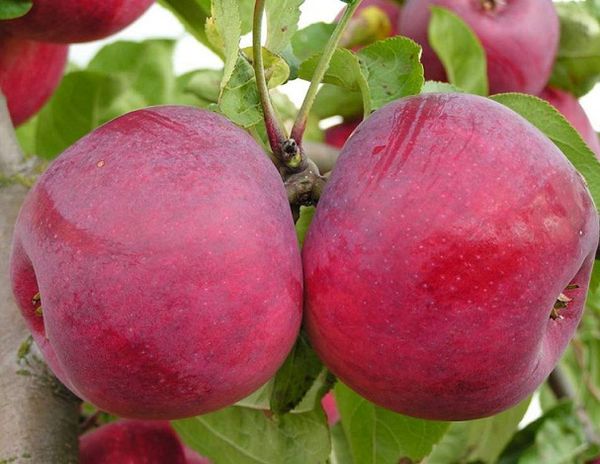
The modern apple tree variety McIntosh is a spreading tree with a rich crown and small, oblong leaves. The fruit's skin is thin but firm, with a light waxy coating. The apples are sweet, with a distinct tartness and a spicy aroma. The variety description indicates that fruiting begins in the sixth year of the tree's life. These apple trees are characterized by average yields and low frost resistance.
Main characteristics
- pyramidal trees with a spreading crown;
- require minimal pruning;
- excellent taste of fruits;
- high shelf life, apples tolerate transportation well;
- the flesh is white, juicy and aromatic;
- the taste is sweet and sour, aromatic and spicy.
Growing and care
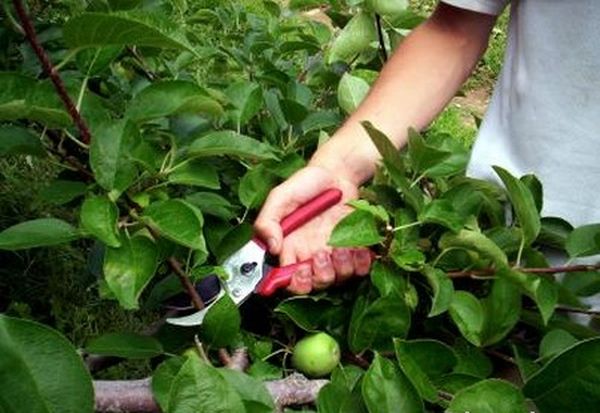
Although the Mackintosh variety description clearly indicates the need for minimal formative pruning, young trees still require some assistance: prune the vertical shoots of a young sapling to help the tree form a crown. Don't forget to loosen the soil around the young apple tree and remove weeds, which can rob the tree of its nutrients. To ensure the tree establishes well and develops fully, it needs mulching. This process should continue until the first fruiting, after which the soil around the trunk can be sown with flowers.
Harvesting and storage
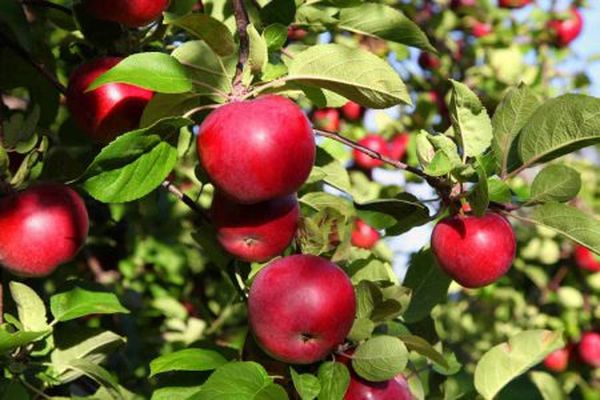
Apples begin to ripen in September, but many gardeners note that the fruits ripen very unevenly. In private farms, the first apples are harvested as early as August, and the last ones only in October. It's crucial to remove the fruit from the tree promptly, as a weak stem may not hold the apple to the branch. Under normal conditions, apples can easily be stored until winter, and it's important to note that their peak value occurs two weeks after harvest. If you keep your harvest in a cool room, it will easily last until spring. It's best to store apples in wooden crates, carefully stacked with the stems facing up and sprinkled with sawdust, or by wrapping each apple in paper.
Diseases and pests
The Mackintosh variety suffers from the same problems as other apple trees: fruit rot and scab. This variety is particularly susceptible to the latter. Pests pose an equally serious threat: the ubiquitous aphids and apple moths. And, of course, rodents, especially in winter.
To combat pests and diseases, use fungicides, copper sulfate, and Bordeaux mixture, and simply wrapping the trunks with covering material will help against rodents.
Pros and cons
The variety's undoubted advantages include its exceptional taste and transportability. Gardeners are equally interested in its yield. Particular attention should be paid to the versatility of its fruits: they are eaten fresh, canned, and used to make drinks and sauces.
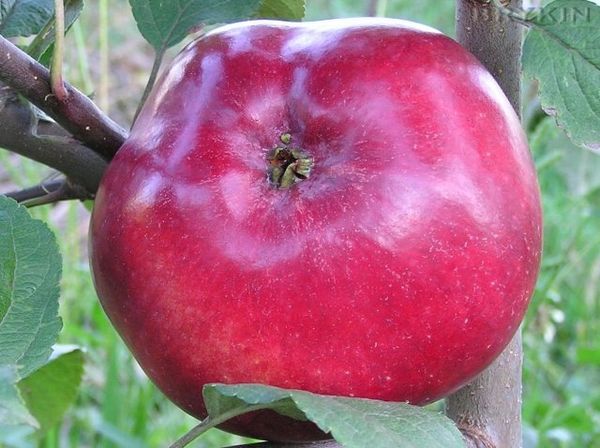
The downsides include uneven fruiting and low scab resistance. Regardless, be sure to try growing this apple tree in your garden, as the history of its ancestor gives you hope that even your great-grandchildren's grandchildren will enjoy the fruit of the tree you plant! And that, you must admit, is worth a lot!
Video "McIntosh Apple Tree"
This video will tell you about the characteristics of the autumn apple tree variety McIntosh.