
Characteristics of the Ural apple variety Krasa Sverdlovsk
Content
Description of the variety
This variety has a 25-year history. It was developed by specialists from the Sverdlovsk Experimental Station—Kotovy, Vengerova, and Dibrova. Soon, the new apple variety became widely known and began to be cultivated in the Southern and Middle Urals and the Upper Volga region. Experience has shown that these apple trees grow well in Western Siberia and the Altai espalier culture.
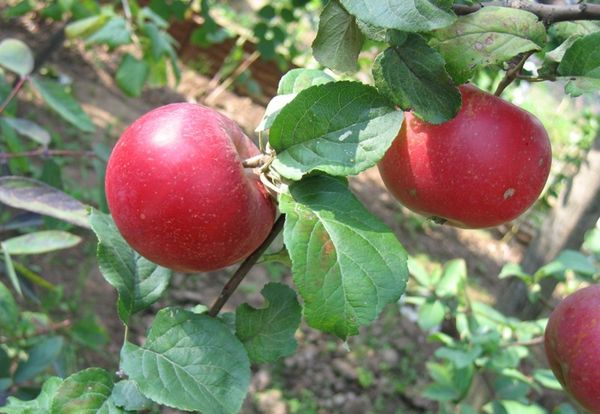
A description of the variety should begin with a description of the tree itself. It is medium-sized, with a rounded crown. The main branches, or more precisely the bark covering them, are brown. Fruiting always occurs on long and shorter fruiting canes and branched rings. The foliage is dark green.
The leaves have a glossy surface and a rounded shape. The flowers are quite large, with a white base color tinged with pink. The fruits of this variety weigh on average about 160 grams. Individual specimens can weigh up to 240 grams. They are covered with a shiny skin with a characteristic waxy coating. When harvested, the fruits are greenish-yellow.
In terms of chemical composition, it contains 15.1% sugars, approximately 18.9% dry soluble solids, approximately 18-31 mg ascorbic acid per 100 grams, and 301 to 406 mg catechins per 100 grams. The fruit is healthy. Doctors recommend consuming it in its pure form for those with hypertension and vitamin deficiencies.
Main characteristics
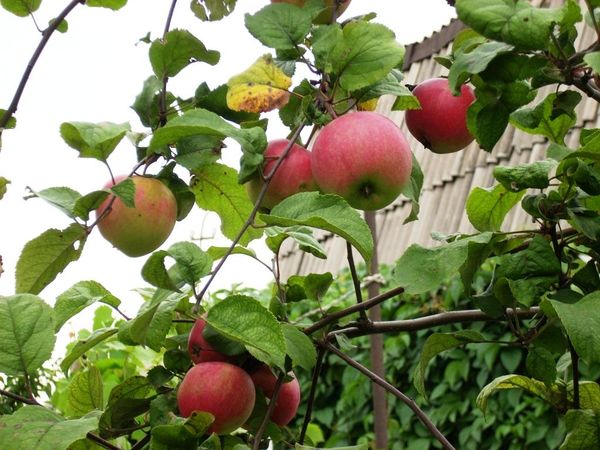
According to experienced gardeners, the variety's winter hardiness in the Central Urals is average. Planting apple trees on elevated sites protected from wind is recommended. The variety has good disease resistance. Fruiting is expected 6-7 years after budding. Under favorable conditions, yields can range from 100 to 200 centners per hectare. The fruits are resistant to shedding until fully ripe. Even when transported over long distances, they retain their beautiful appearance and flavor.
The variety is self-sterile and requires cross-pollination. Harvested in September, the crop can be stored from October to May.
To achieve this, the fruit is placed in a room with a temperature of up to 7 degrees Celsius and humidity no more than 80%. Fruits of this variety are beloved by gardeners for their large size, pleasant taste and aroma, vibrant color, good transportability and shelf life, resistance to scab, fruit rot, and powdery mildew, and suitability for commercial cultivation.
Fruiting and yield
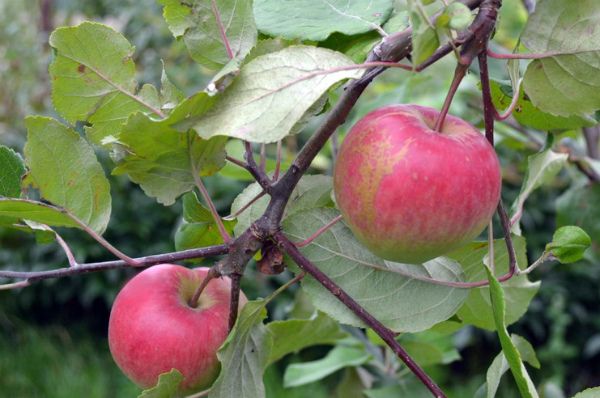
As mentioned above, the tree begins to bear fruit fully at least six years after planting. With proper care, it's possible to harvest up to 200 centners of fruit per hectare. They are round-conical in shape, smooth and large, weighing from 160 to 250 grams. The flesh is a delicate cream color, dense, and fine-grained. The fruits have a pleasant sweet and sour taste. For storage, it's recommended to pick unripe, greenish-yellow fruits. At this stage, they are still firm and slightly tart. The flavor is starchy. As they ripen, they soften, becoming creamy with a distinctive crimson blush.
Pollinators
This self-sterile species requires trees of other varieties to be adjacent to it. They will allow for pollination of the Sverdlovsk Beauty during its flowering period. It's important to avoid planting apple trees that are only representatives of one species. Otherwise, you may either fail to produce a harvest or one that will be small. The pollinator apple tree should have the same fruiting period as the self-sterile one.
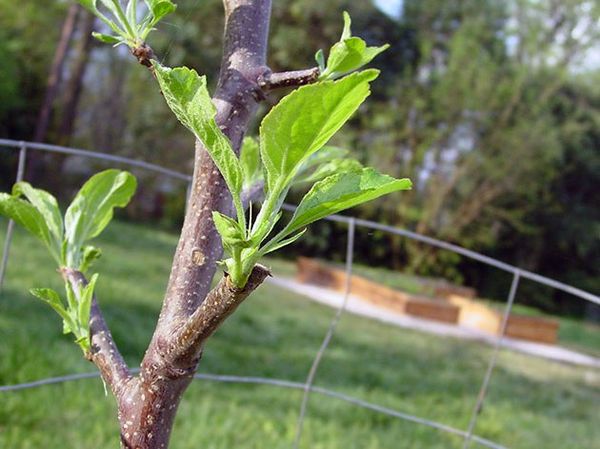
The trees' flowering periods (onset and duration) should be as closely matched as possible. Furthermore, the apple tree should be zoned for cultivation in your region. Beginning gardeners can select pollinator varieties from lists compiled by specialists at research institutes. These lists typically consider key and important characteristics. Any variety common in the Ural region can serve as a pollinator for your apple trees of the variety described.
Preparing for winter
When growing this apple tree in the Urals, it should be tied with old rags, and the trunk and base of the shoots should be wrapped with tow. When growing in the Perm region, the region after which the variety is named, and in Siberian regions, it is recommended to shape the crown so that it has a creeping shape. This will ensure the tree is covered with a layer of snow during the winter.
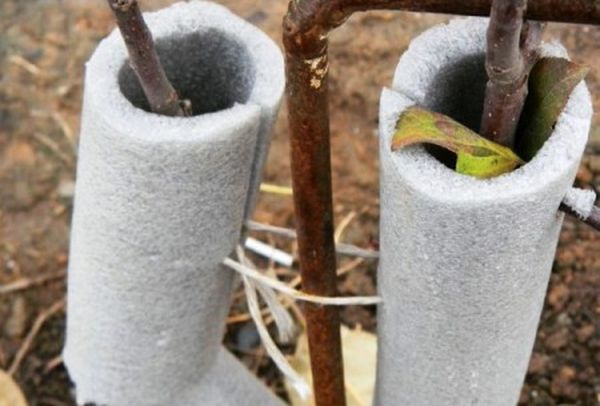
How can you shape the crown yourself using this method? To do this, attach the tree branches to the ground in midsummer using secure pins and hooks. After harvesting, the central conductor of a one-year-old tree, bent to the ground and secured with stakes or poles, must be pruned, leaving a shoot no longer than 40 cm above the lateral bud. If apple canker is detected, remove damaged branches and bark, and treat the tree with copper sulfate. If golden silkworm or moths appear, use "Entobacterin." A bioinsecticide will help against aphids. "Healthy Garden" is effective against codling moths and sawflies.
Video "The Best Russian Apple Varieties"
In this episode of "Our Garden," you'll learn about the popular apple variety, Krasa Sverdlovsk.