
Review and cultivation of columnar apple varieties for Siberia
Content
Features of cultivation
Not all gardeners consider growing columnar apple trees on their plots feasible. They fear that the short summers and severe frosts (down to -45 degrees Celsius) could kill the trees and prevent them from producing a harvest. However, breeders have succeeded in developing columnar apple trees for Siberia, the best varieties of which will be discussed later.
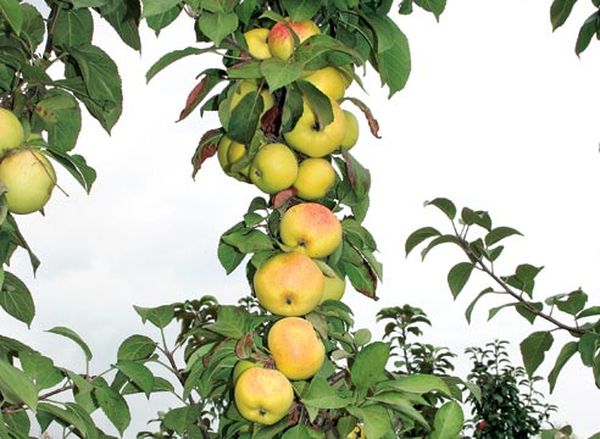
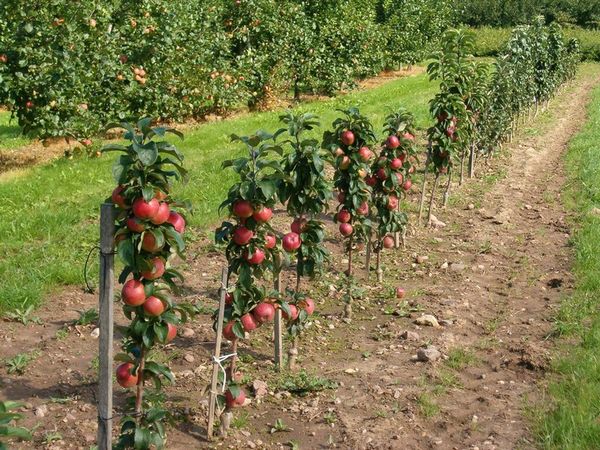
According to gardeners, growing this type of apple tree requires proper care. It's recommended to use one-year-old seedlings with closed root systems for planting. When planting, leave a distance of 40 cm between the trees. The row spacing should be at least 1 meter. Add compost and humus to the planting hole. Columnar apple trees grown in Siberia require ample watering until autumn. If there's sufficient rainfall, watering should be reduced. In hot weather, it should be increased.
A month after planting, it is recommended to feed the trees. A urea solution has proven effective. The second and third feedings are carried out at intervals of two weeks after the first and between them. Due to the characteristics of Siberian apple trees, specifically columnar varieties, their crowns do not require shaping. However, pruning, which involves removing dying, damaged, frost-damaged, or pest-damaged branches, is essential. To rid the trees of pests, treatment with special preparations is required. Fruit should be harvested in a timely manner to avoid damaging the trunk. It is recommended to cover the lower part of the trees with snow for insulation.
Nectar
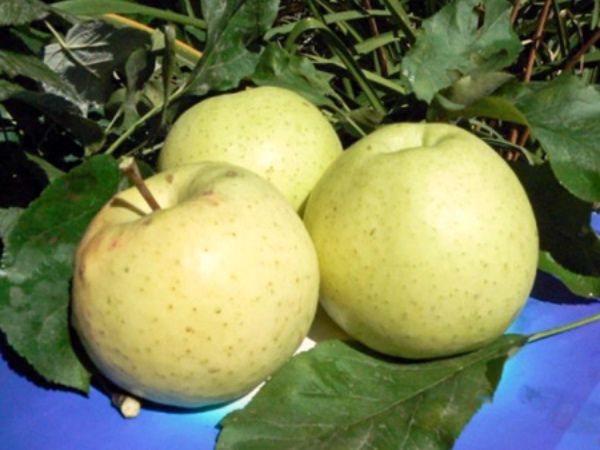
When discussing excellent columnar apple varieties, the Medok variety deserves special mention. It is highly prized by gardeners in central Russia and the Moscow region. The fruits ripen in late August to early September. They are yellow, sweet-flavored, and have a distinctive honey aroma. They can be stored for up to one month. The yield is up to 10 kg of fruit from each crop. Each apple averages about 250 grams. The variety is frost-hardy and has good pest resistance. The fruits can be eaten fresh, dried, canned, or incorporated into various dishes.
President
The President apple harvest arrives at the end of summer. The fruits of this domestic variety are white and yellow with a distinctive reddish-purple blush. Each apple averages 250 grams. The flesh is juicy and pleasantly fragrant. The main characteristics of this variety are high yields and good resistance to diseases and pests.
Ostankino
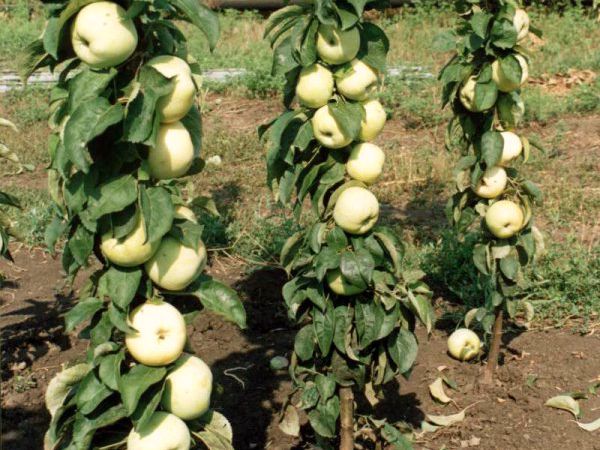
While the two previous varieties are summer varieties, Ostankino apple trees are winter varieties. This cultivar is a semi-dwarf plant with a dense crown. The fruits have a light green base color and a rich red blush. Each apple averages 200 grams. Occasionally, specimens weighing up to 300 grams can be harvested. They have a naturally sweet flavor, juicy flesh, and exquisite aroma.
The harvest is typically held in late September. Yields average around 16 kg per crop. Under favorable conditions, these beloved fruits can be preserved until December.
The variety has moderate winter hardiness, but is highly immune to major fruit crop diseases and pest attacks.
Vasyugan
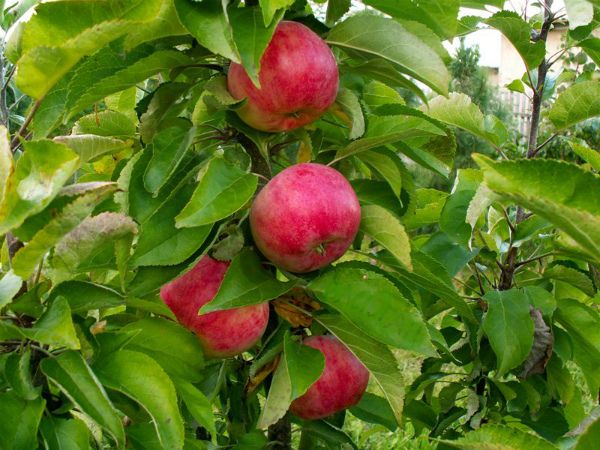
This variety can grow up to 3 meters tall. It produces large apples ripening in mid-September, featuring a red-striped color and a sweet, slightly tart flavor. Vasyugan is successfully cultivated in Siberia, the Far East, and the Urals. The harvest retains its marketable appearance and flavor even after about a month of storage. The trees are frost-hardy and highly resistant to diseases and pests. The fruits are commonly eaten fresh, used to make juices, jams, and canned for winter.
Currency
This winter-season variety is practically a dwarf plant. The fruits are usually harvested in October. They are golden-yellow in color, with a red blush visible on the surface. Each fruit weighs approximately 150 grams and has a sweet, slightly tart flavor.
The harvest has a fairly high shelf life—apples can be stored until approximately February. The variety is resistant to common scab and a number of other infections. Peak fruiting occurs in the fourth year after planting.
Moscow Necklace
This cultivar grows up to 2 meters in height. For fruiting, it requires the presence of pollinating trees of other species, as this variety is self-sterile. It is popular among gardeners in the Urals, Siberia, and the Moscow region. The harvest is usually in October. The fruits are spherical and dark red. Each fruit weighs on average about 170 grams. They have a sweet and sour taste. The flesh is always juicy and aromatic. Its characteristics include high yields, strong immunity to diseases and pests, and excellent frost resistance.
Video "Apple Varieties for Siberia"
This video will tell you about apple tree varieties that thrive and produce fruit in Siberia.