
Characteristics of the Ostankino columnar apple variety
Content
Description of the variety
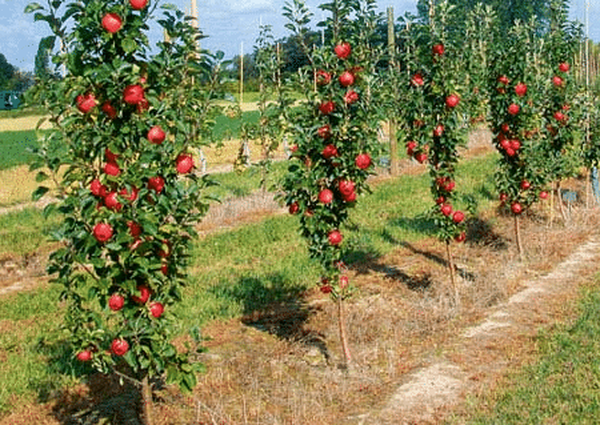
The columnar Ostankino apple tree was developed by the Russian breeder Kichin at the turn of the 1970s. Scientists were attempting to create a short tree with a compact crown that would be easy to establish and produce a high yield. In addition to all of these characteristics, these trees are early-bearing and, on average, retain their fruit for a relatively long time. All of this makes this variety popular in our region.
Tree Description: Low-growing, reaching up to 1, maximum 2 meters. After full maturity, average wood growth ranges from 5 to 10 centimeters per year. The recognizable trunk shape of this variety earned it the name "Ostankino Columnar Apple Tree." The tree resembles a column, and in summer, its surface often develops spear-shaped or ring-shaped lesions. The wood structure itself is hard and dense. This allows the branches to remain stable under the weight of the fruit and prevents them from falling over in windy weather. The fruits are borne along the entire length of the trunk, 35 centimeters above the ground.
Description of shoots: Thick, large, with short internodes typical of dwarf varieties. Leaves have a distinctly serrated edge and are dark green. A normal leaf is obovate, with a flat, glossy blade.
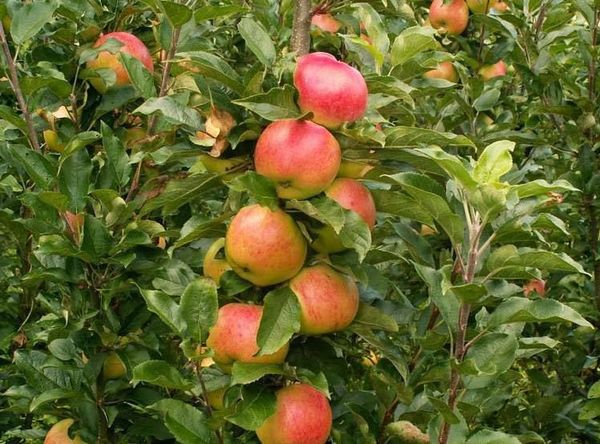
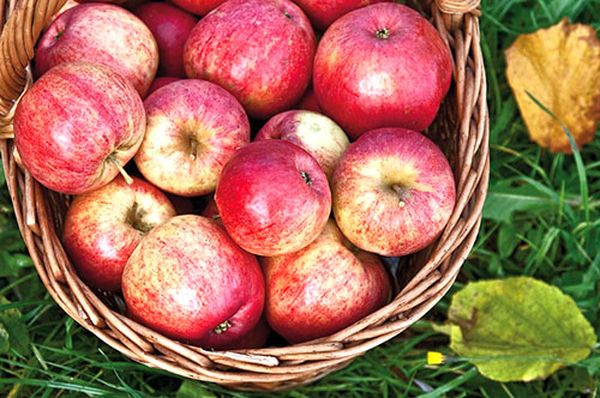
Fruit characteristics: medium-large. Each apple weighs between 150 and 200 grams, although sometimes they can reach 300 grams. Apples of this variety are greenish-yellow with a reddish-purple blush. The shape is round, uniform, and symmetrical. There is no axial cavity at all; the seed chambers are closed. This variety ripens in the fall. The harvested fruit can be stored for two to three months, approximately until December.
It is important to note that apple trees of this variety begin to bear fruit already in the second year of life and produce a full harvest in five years.
Taste characteristics
Apples of this variety can be enjoyed raw, or used in preserves, jellies, and dried fruit. This variety is truly versatile. It has a sweet, tart flavor. The flesh is firm, compact, and whitish with green veins. The fruit remains resistant to apple scab, a fungal disease that detracts from the fruit's aesthetic appeal.
Planting and care
Planting and caring for this variety is no different from other apple tree varieties. This variety prefers soil rich in humus or other organic matter. The site you choose for the young tree should be clear of weeds and in a sunny location. Apple trees prefer moderate watering.
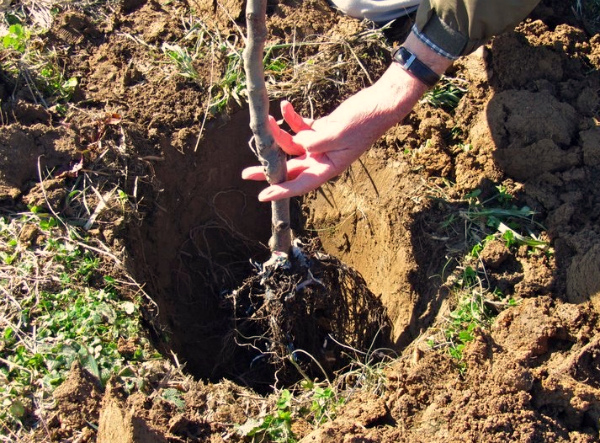
However, in dry years, watering with warm water at the roots is necessary. It's best to plant trees in rows at least half a meter apart. This variety is frost-hardy. 'Ostankino' survives winters in temperate climates. Despite its high resistance to pome fruit pathogens such as powdery mildew, downy mildew, fruit tree canker, and moniliosis, this variety still requires moderate pesticide treatment. If necessary, crown pruning should be performed starting with lateral shoots.
Fruiting characteristics
The average fruiting period reaches 15 years with regular orchard renewal. The maximum yield per tree reaches 15 kilograms. At the beginning of the growing season, only 5 kg can be harvested (from two to five years of age). After the fifth year, fruiting increases to its maximum.
Apple trees begin bearing fruit early—by the age of two, several large apples appear on the tree. Harvesting usually takes place in mid- to late September.
Pros and cons
To date, this variety has no consistently negative reviews. The main problems with this variety stem from the peculiarities of apical bud development and the high cost of large-scale cultivation. The first problem is that several buds must be selected from the center of the column each year to continue the growing point. The second problem is common to all columnar varieties.
Video: "Autumn Apple Tree Transplantation in Ostankino"
This video will show you how to transplant an Ostankino apple tree in the fall.