
Description and care of the columnar apple tree Arbat
Content
Description of the variety
The Arbat apple tree is a columnar variety developed by domestic breeders. The tree's description includes the following points:
- The apple tree grows with one trunk. It does not branch out;
- the trunk is quite dense;
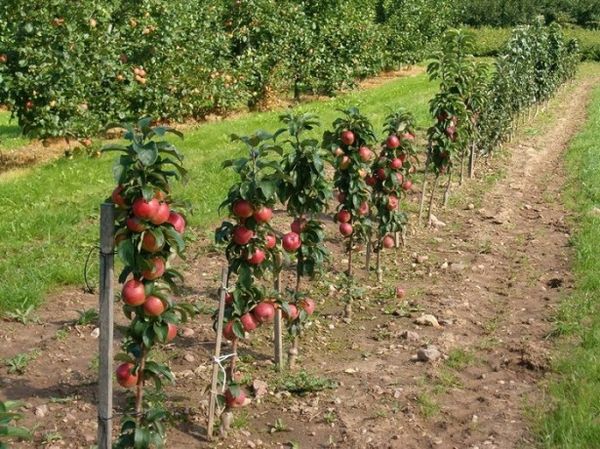
- The leaves are densely distributed along the tree trunk. The spur shoots (shortened growths) are also located here. Flower buds are located at their apex.
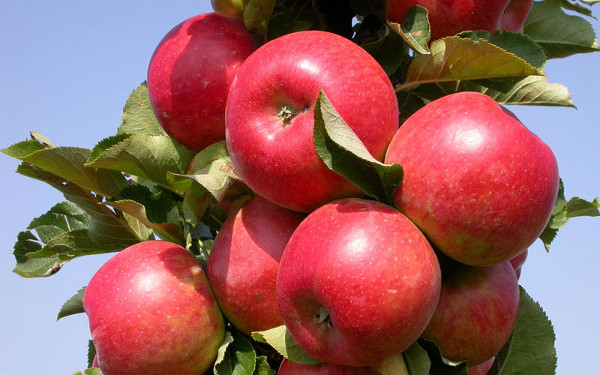
Fruiting begins in the second or third year of life. By the age of five, the apple tree produces a bountiful, high-quality harvest. With proper care, a tree like this can yield up to 20 kg. It's worth noting that this variety is prone to overloading, as the columnar Arbat apple tree is unable to distribute its fruit across its branches. Apple harvesting begins in early autumn. However, it takes about a month for the apples to reach consumer maturity. The fruit can be stored until the New Year.
Main characteristics
Fruiting occurs on the rings. At this time, the tree resembles a garland adorned with red fruits. The apples of this variety are medium-sized, weighing approximately 110 grams.
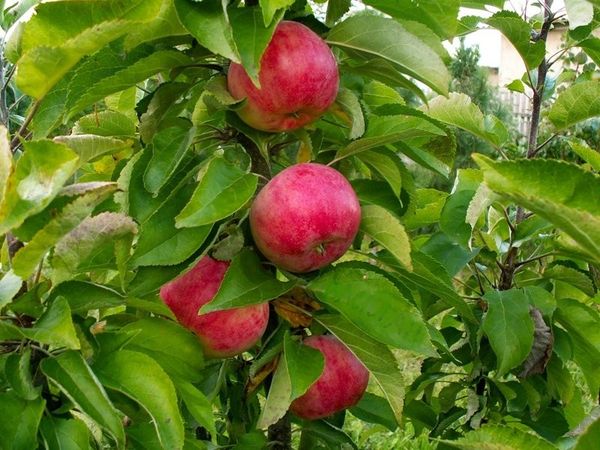
The fruits of this variety are characterized by the following parameters:
- rounded-elongated shape with a tapered base;
- The peel has a uniform and rich cherry color and a glossy sheen;
- juicy, cream-colored flesh;
- the taste is sweet with a pleasant sourness;
- The fruits have a distinct apple aroma.
Arbat apple trees have the following characteristics:
- early fruiting;
- winter hardiness;
- good taste of fruits;
- good fruiting;
- self-fertility;
- excellent resistance to various diseases and pests.
Due to its unusual appearance and delicious apples, Arbat is now very popular among gardeners around the world.
Caring for a columnar variety
Since the Arbat apple tree is columnar, to ensure long-lasting and abundant fruiting, it requires comprehensive care. This care should be seasonally appropriate.
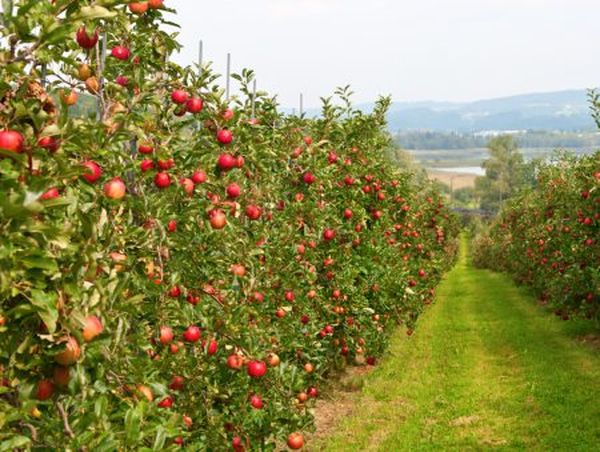
Spring care involves the following steps:
- Pruning. This is performed before the sap begins to flow and the buds begin to swell. This type of pruning is preventative, removing damage that has developed over the winter. Pruning also helps remove parasites that have overwintered in the trunk, as well as potential sources of infection.
- top dressing. At this time, nitrogen-containing fertilizers are used;
- Fruiting regulation. This procedure is performed during the budding period. On newly planted seedlings, all formed buds should be removed; on two-year-old plants, 10 flowers are left. Subsequently, the trees should be gradually acclimated to the load;
- watering;
- loosening the tree trunk circle.
It's worth noting that when growing this variety on clonal rootstock, thinning is not recommended, as it can damage the plant's roots. Also, in this case, mulching the soil is not recommended. Grassing the soil is recommended. Green manure is used for this purpose.
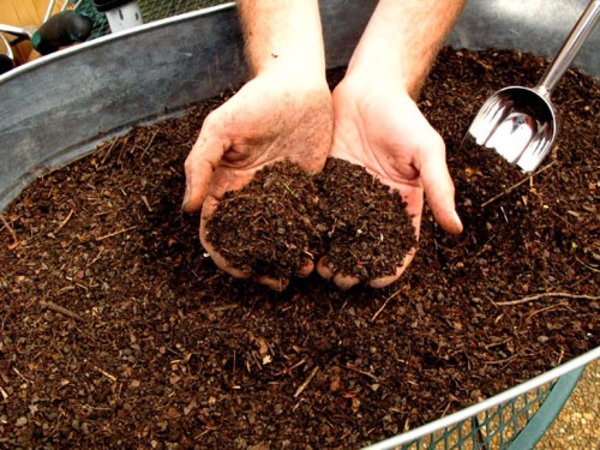
During the summer months, care for the columnar apple tree is carried out as follows:
- at the beginning of summer, mineral fertilizers are added to the soil;
- Once ovaries begin to appear, the harvest is rationed again. This reduces the number of ovaries, and then small fruits, early in the life of a young tree by half;
- Apple trees are regularly inspected for the first signs of disease or pests. Chemical treatments are permitted no later than one month before harvest.
- At the end of summer, the apple tree is fed with nitrogen, potassium and organic fertilizers.
To protect the tree from freezing, the top four leaves should be trimmed back to a length of only 1/3 of their original length. In the fall, preparing the apple tree for winter involves the following steps:
- fertilizer is added to the soil to restore the tree's strength before the next season;
- preventive treatment of the trunk against fungi and parasites;
- sanitary pruning (performed if necessary).
Before frost sets in, the apple tree is covered with dry spruce branches. This covering will protect the trunk from rodents.
Pros and cons
The list of positive characteristics of this variety includes the following points:
- compactness. One tree takes up approximately half a meter;
- slow growth;
- late summer ripening;
- good annual fruiting (at a young age);
- winter hardiness;
- good immunity to various pests and diseases;
- beautiful decorative type of apple tree.
As we can see, the list of advantages here is impressive. However, even this variety has its drawbacks. The obvious disadvantages of this variety include:
- short shelf life of the crop;
- apples become smaller when overloaded;
- poor transportability;
- Trees live 14–17 years.
Proper care will help to some extent mitigate some of the Arbat's shortcomings. Now you know what the Arbat columnar apple tree is and how to care for it throughout the year.
Video "Columnar Apple Tree Arbat"
In this video, you'll find useful information about the Arbat columnar apple tree.