
Features of caring for dwarf apple trees
Content
The best dwarf varieties
Which summer dwarf apple trees are recommended for purchase from a nursery to ensure you have something to be proud of? This is a question that almost every gardener faces. A wide variety of dwarf and semi-dwarf apple varieties are currently available for the Urals and other regions. However, semi-dwarf varieties of low-growing apple trees are recommended for a specific region (for example, it's crucial whether you're purchasing low-growing apple varieties for the Moscow region or the Urals).
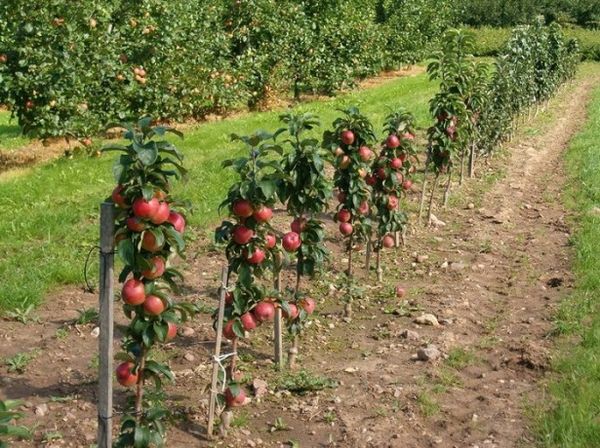
When considering dwarf plant varieties that are particularly prized by domestic gardeners, the following varieties are worth mentioning:
- Melba;
- Wonderful;
- Zhigulevskoe;
- Arbat.
The best varieties of dwarf apple trees are sure to brighten up your green space, so it's worth visiting a nursery in search of your next fruit find.
Landing
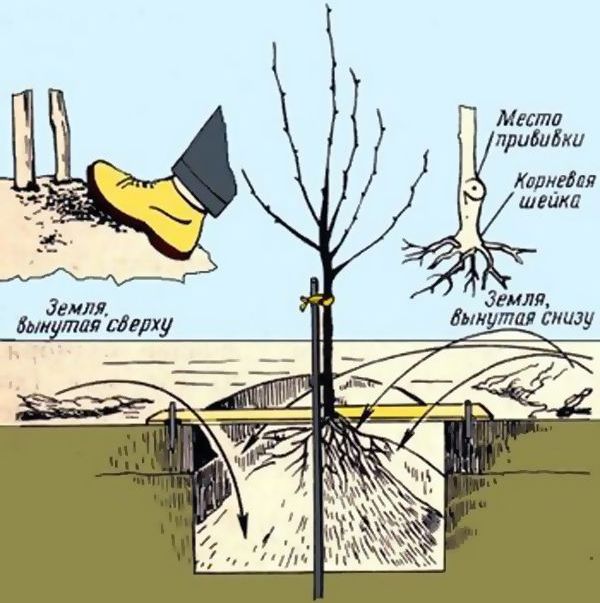
It's recommended to plant purchased dwarf apple tree seedlings deep into the ground, spacing them three meters apart. To ensure full development of these low-growing plants, it's best to plant them in elevated areas that are well protected from winds. Try to plant the root system deep into the moist soil layer. This will increase the likelihood of dwarf apple trees taking root in the spring.
Care
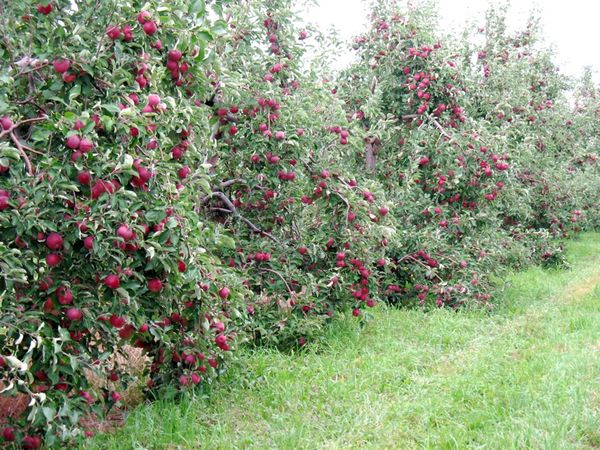
Dwarf apple trees require more than just proper planting; they need to be grown according to specific recommendations. What care should these small, columnar trees require? Remember that they don't tolerate drought well, so they need to be watered at least once a week. Pay special attention to fertilizing. Be sure to add mullein or chicken manure infusion to the soil from time to time. Overall, caring for them is no different from caring for other apple trees.
Trimming
To ensure dwarf fruit trees produce abundant fruit, don't forget about pruning. In spring, crown formation is a crucial part of caring for semi-dwarf trees. Prune branches so that strong branches are positioned at the base of the tree, while weak and fragile branches are positioned at the top. This way, the "rejuvenating" and growth-stimulating procedure will be carried out effectively.
Reproduction
Fruit trees need to be planted according to a specific planting pattern. The same applies to propagation. Try to use primarily vegetative methods: vertical or horizontal layering, cuttings, or budding. After all, semi-dwarf varieties are not cheap for a domestic gardener. Therefore, whenever possible, try to hone your knowledge of apple tree propagation through practical experience.
Diseases and pests
How to care for low-growing dwarf varieties? To grow low-growing trees for temperate climates (for example, the Moscow region or the Urals), it's essential to provide adequate protection from dangerous diseases and pests, and for years to come. Pest infestations in front gardens are quite common in the Moscow region or the Urals.
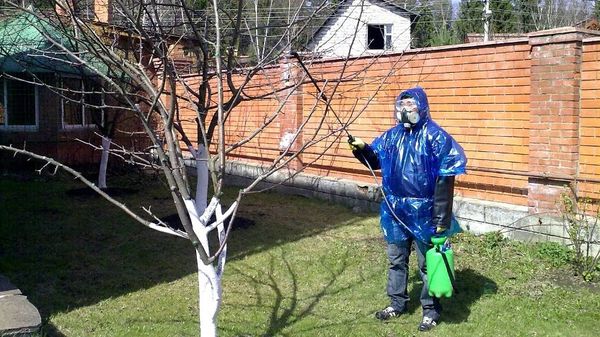
To ensure your apple tree produces a full harvest year after year, treat it with fungicides in the spring. Miniature apple varieties can suffer from scab, powdery mildew, branch dieback, or rust. These are all conditions you should avoid.
Pros and cons
It's recommended to plant dwarf apple trees in a dwarf plot, but be sure to maintain proper spacing. These trees have many advantages. They produce their first harvest quite early, and ripe fruit can be picked from the branches without the use of ladders or other equipment. Furthermore, if you have a high water table and several dwarf fruit trees, you won't have to worry about them too much. However, these trees are much less productive and, after a while, stop producing as vigorously as before.
Another important point: you'll have to be careful with tree supports, as their fragile branches often can't support the weight of ripe fruit. Take good care of your low-growing apple trees, and experts say you'll be satisfied with the fruiting rate, and your planting will be successful.
Video "Dwarf Apple Trees"
This video will tell you about the special features of dwarf apple trees and how to grow them.