
How to quickly save an apple tree if the bark has been eaten by mice
Content
Why do mice chew bark?
What to do, and what can be done, if branches, trunk, and bark have been chewed by mice—this question is often asked by novice gardeners. However, before attempting to solve the problem (for example, covering up the eaten areas of bark), it's worth investigating the source in more detail. Interestingly, a rodent infestation as such is often overlooked by gardeners. Moreover, insects disappear in winter, so it would seem there's nothing to worry about.
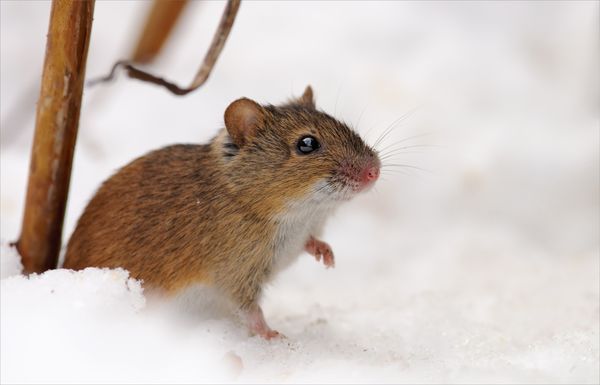
However, it's mice and voles that attack the plant during the cold season. They eat the tree's bark, but they're only interested in the snow-covered part. This poses another danger of such an infestation: you may simply not notice the problem in time, even though its detrimental impact on the fruit tree is quite severe. For mice, there's nothing more nutritious to eat in winter. Therefore, it's not always possible to avoid bark damage. If it is gnawed, the consequences for the plant can be serious, which means it is imperative to coat the tree with special protective agents.
Danger to the tree
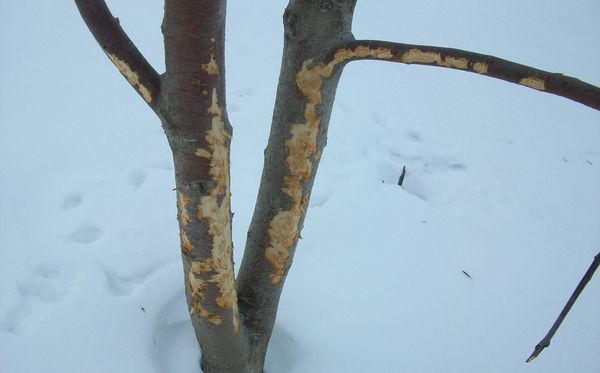
How to save an apple tree after damage by rodents who simply ate it is a question that should concern every gardener faced with such a problem. It is imperative to heal and seal the damaged areas of the bark. Sometimes, while chewing, voles affect a vital part of the plant—the cambium. This is where sap flows. Therefore, if the integrity of the cambium is compromised, the result can be a dead tree. Typically, mice and voles only eat the upper part of the bark. However, it is best to treat the trees before the vital parts are eaten away, making restoration impossible.
How to save a damaged apple tree
How can you save your apple tree if mice have eaten the bark? It all depends on the extent of the damage. If you don't think the mice have caused much damage, wrapping the tree in plastic may help. The sooner you detect this type of damage, the better. It is desirable that the places that rodents have eaten do not begin to dry out under any circumstances. In this case, wrap the plant in plastic, and after some time it will certainly return to normal.
How can you protect your apple trees from rodents if not only the bark but also the cambium has been damaged? To treat this, you'll need to create special bridges. Cuttings will need to be inserted under the bark where the mice have damaged it. Treating apple trees for mice in the garden is also necessary. To do this, cover the problem areas with garden pitch or heteroauxin. It's not always possible to protect the plant from rodent infestations. But if you know how to treat young trees, you can save them and fully restore the bark.
Prevention and preparation for winter
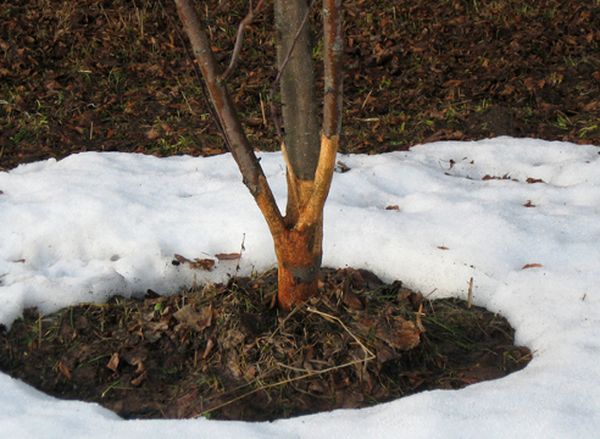
To prevent mice from completely gnawing through apple trees, you can try to prevent this problem in advance. Prevention is best done in the fall. What specific steps are recommended for gardeners to prevent rodents from gnawing through the bark of their plants?
- It is recommended to remove plant debris from under the tree. It is best to burn it;
- the fruit plant should be whitewashed;
- the area around the apple tree trunk needs to be dug up so that the soil becomes loose;
- For those planting young trees, it's interesting to know that rodents can't stand the smell of wormwood, elderberry, or spruce branches. Therefore, if desired, tie the leaves of these plants around the seedlings to repel pests.
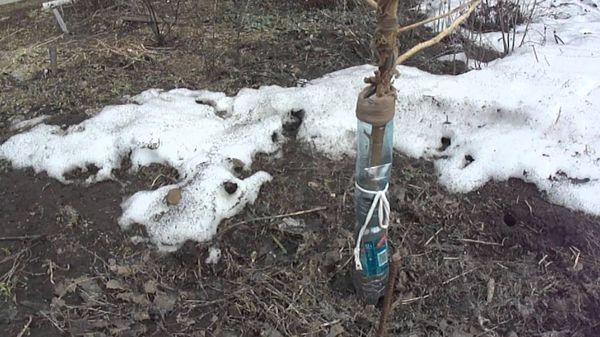
Knowing how to protect your apple tree from damage caused by mice and other rodents will help you reap the harvest on time and prevent problems with the health of your well-groomed plant.
Video: Saving an Apple Tree After Rodent Damage
This video will show you how to save an apple tree that has been damaged by rodents.