
How to rejuvenate an old apple tree in the garden step by step
Content
Why is it necessary to rejuvenate trees?
Fruit trees retain their ability to bear fruit well for up to 30 years. After this period, it is recommended to uproot them. What should you do if the tree has not yet reached maturity and the first signs of aging have already appeared? Don't rush to get rid of it. Rejuvenating pruning of the apple tree will help restore abundant harvests.
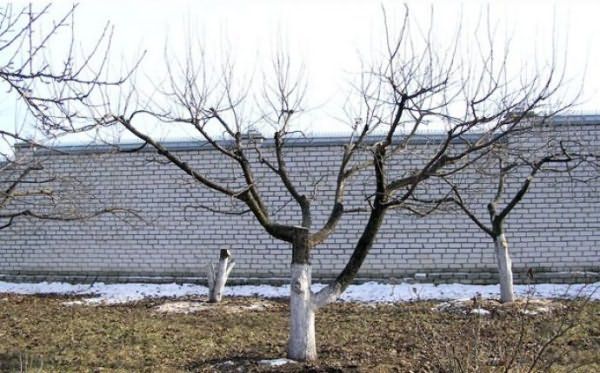
There is no need to worry about the taste of the fruit after pruning – it will not change. By rejuvenating the tree, you'll achieve several goals at once: you'll remove old and diseased branches, shape the tree's crown, and adjust its height, making apple picking easier. It's also easier to care for the tree. Overdoing it is recommended, as it can cause damage to the tree.
How to identify an aging tree
If apple trees have been growing in favorable conditions and receiving proper care, the first signs of aging will begin to appear in their late 20s. The root system and aboveground part of the tree cease to function as before. The apical shoots, furthest from the roots, are the first to suffer. Then, the higher branches begin to age. Finally, the aboveground trunk and root system undergo changes. An aging tree can be identified by a number of signs:
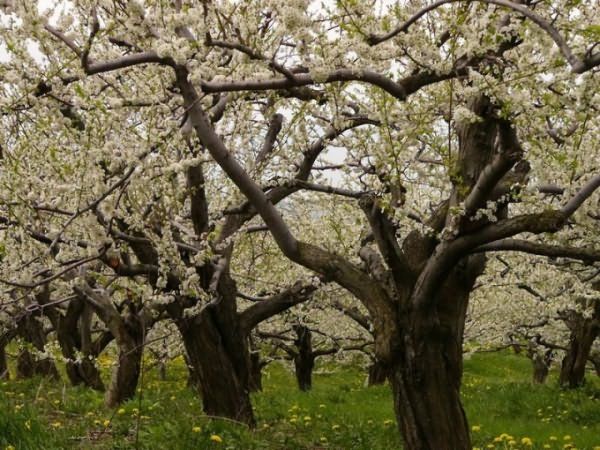
- active, stable growth and fruiting are replaced by progressive growth, the growth of the tree’s “skeleton” weakens, and the overgrown branches die off;
- the branches of the “skeleton” practically stop growing, the shoots and leaf rosettes stop growing completely;
- exposing skeletal branches: the yield does not suffer from this, the changes are reflected in the taste and appearance of the apples;
- changing from a fruitful year to a lean one;
- skeletal branches stop growing, fruits lose quality.
It is advisable to rejuvenate an apple tree at the first signs of aging, otherwise it may be too late.
Basic principles of rejuvenation
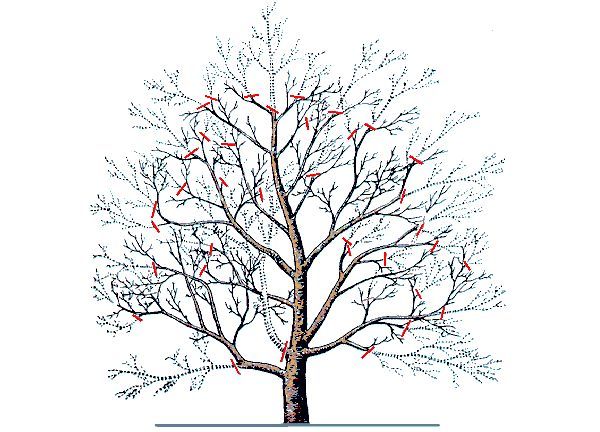
Apple tree rejuvenation through pruning requires careful planning. Follow these guidelines, and you'll be halfway to a successful outcome:
- Make sure that the old apple tree is healthy and the “skeleton” is strong: it is not advisable to rejuvenate sick and rotten trees.
- Rejuvenation should be carried out during the "rest period" (before the "sap flow period" begins). Since the apple tree's crown is clearly visible at this time, there's no better time.
- Prepare everything you need in advance, from pruning tools to a stepladder.
- Trim dry branches at the base to thin out the crown.
- Remove broken, deformed and tangled branches.
- It is recommended to prune large branches rather than a large number of small ones.
- Be sure to remove branches growing inward from the crown so that they do not interfere with the growth of young shoots.
- Prune mature old trees in the fall.
- Get rid of bare and diseased branches.
Step-by-step pruning
It is best to rejuvenate old apple trees in stages over several years.
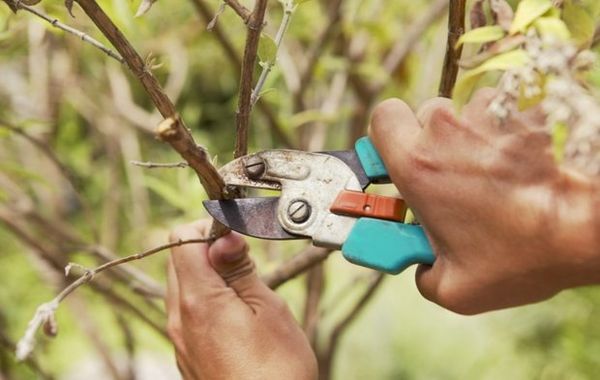
Autumn rejuvenation in the first year. In the first year, pruning is done in the fall. First, remove dead and damaged branches, knots, and shoots. Pay special attention to the presence of discolored spots, corrugated areas, and peeling bark on the branches. These signs may indicate a disease that penetrates the tree through wounds and fractures, gradually weakening and killing it. In this case, branches should be cut back to a healthy point, leaving no stump.
How to prune large branches properly to prevent them from splitting or tearing off part of the trunk? Cut large branches gradually: first, cut a third from the top, then from the bottom up to the cut you started. Then, identify a new leading branch and prune the crown accordingly. If there are several such branches, leave the younger, stronger ones. Don't rush and don't prune more than three large branches in a single year.
Next, decide on the height. Tall trees are difficult to prune and protect from diseases and pests, so a height of up to 5 meters is recommended. However, if the tree is several times taller, no more than a third of the tree's height can be removed in the first year. A well-thinned crown will allow sunlight to penetrate to the lower branches.
Rejuvenation in the second year. The following year, rejuvenate an old apple tree in the spring. First, focus on new shoots and suckers. Leave one shoot on each strong branch, ensuring the resulting branches are proportionate. Apples will grow on these young branches. Select a strong shoot and use wire to hold it horizontally (as much as possible). Do this carefully to avoid breaking it. Remove any excess suckers. In late fall, trim the height and thin out the skeletal branches, if necessary.
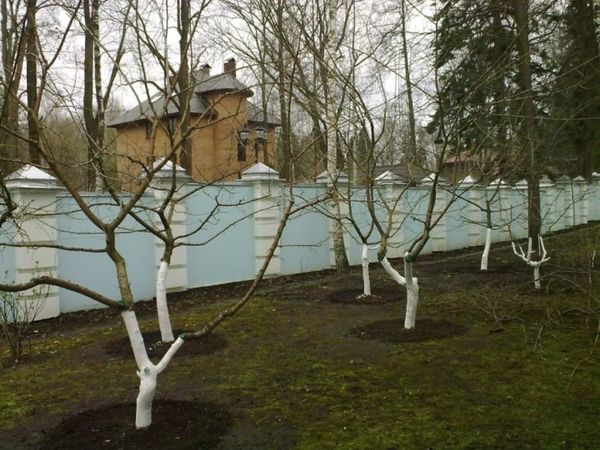
Spring and summer of the third year. Remove the wire from the branches and get rid of the remaining suckers. Some suitable ones can be left for potential fruiting branches. These are treated in the same way, using wire.
Preparing for winter in the third year. Continue removing old branches and trimming young ones. Make sure all branches are accessible for harvesting.
Aftercare
After rejuvenating old apple trees in the spring and fall through pruning, the trees need to be fertilized by applying fertilizer to the tree trunks. This is done with organic fertilizers. Potassium and phosphorus fertilizers are best applied in the fall. In the spring, loosening the soil is sufficient. In the summer, apply zinc and boron.
Now you know how to rejuvenate an apple tree. All that's left is to put this knowledge to use!
Video "Rejuvenation of an Old Apple Tree"
This video will show you how to properly rejuvenate old apple trees in your garden.