
How to effectively combat apple scab
Content
Description of the disease
Fighting scab always begins with identifying the disease on the tree. However, to correctly identify the disease, it's important to understand what scab is.
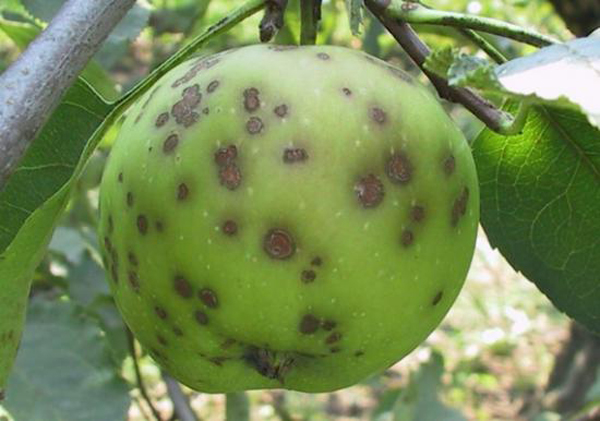
This disease is caused by the ascomycete Venturia inequalis. The pathogen is widespread throughout the Russian Federation, and is also common in the Moscow region. The fungus attacks fruit and leaves. Scab is most common in regions with a temperate climate and cool, wet springs. If there are heavy rains in the summer (especially July), apple scab can infect almost 90% of trees.
The disease spreads in early spring. During spring rains, the fungus actively infects young apple tree shoots, clinging to the bark with its slimy membrane. The following factors are necessary for the development of fungus:
- high humidity;
- the temperature is about 12 degrees.
The disease causes a decrease in apple tree yield and fruit quality. Affected apples store poorly, quickly lose their value, and have an unattractive appearance. The disease rarely kills the tree, but it can lead to frostbite. Controlling scab on various apple trees is difficult, as the pathogen can spread from tree to tree. Therefore, curing apple trees of scab is extremely difficult. However, control is effective with the right approach.
Signs and diagnosis
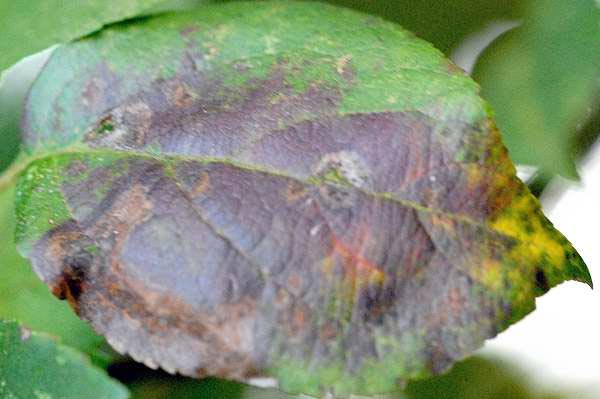
Apple scab is dangerous because its symptoms resemble other diseases (for example, it resembles mold). Therefore, it's important for gardeners to know what scab looks like at each stage of its development. The following symptoms indicate that an apple tree has this disease:
- The appearance of light olive-colored spots. They are visually difficult to notice. This is the initial stage of the disease. It develops approximately 14–20 days after the first buds open;
- Brown spots appear on the apple tree leaves;
- shoots, peduncles and ovaries that have been infected with the pathogen are exposed to rot;
- infected leaves fall off;
- apples become small and wrinkled.
All these stages occur in spring and summer (June and July). The final stage, spore formation, occurs in autumn. These spores can re-infect fruit crops in winter and spring. Fungal infection can occur at various stages of tree growth and development, and in any region (it's also common in the Moscow region). Therefore, disease control measures should be taken immediately upon detection of the first signs. Otherwise, the disease will spread to the fruit.
The following list of symptoms helps to differentiate this type of disease from other ailments:
- round olive-colored spots;
- their diameter is 3–13 mm;
- in advanced stages of the disease, the spots become almost black;
- as the fruit grows, the spots begin to crack and become light in color;
- bark swelling;
- dying off of shoots.
Since it's very difficult to cure apple scab in its later stages, treatment should begin as soon as the first characteristic signs are detected. To ensure early detection, regularly inspect trees for the pathogens that cause this disease.
Control measures
Many beginning gardeners ask the question, "How to cure apple scab?" This is a pressing question, as there are currently various ways to effectively combat apple scab. Let's take a closer look at each method.
Chemicals
When trees are heavily infected, gardeners use various chemical treatments to combat apple scab. They try to use these only when other methods are no longer possible. This effectively combats the pathogen.
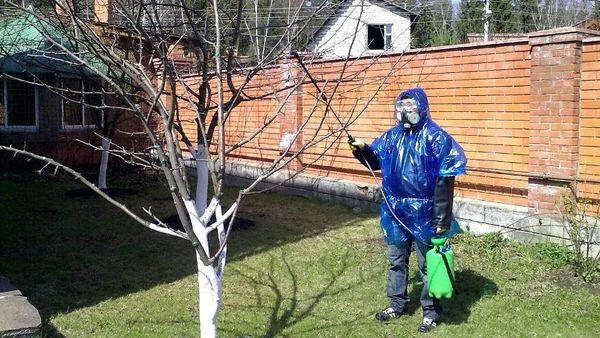
However, to avoid harming trees, you need to know the following rules for using chemicals:
- Chemicals should be used in rotation. When choosing what to spray, it's best to use several different substances;
- Only fungicides classified as hazard classes 3 and 4 may be used in the garden. Industrial products should not be used to treat the disease;
- Trees can only be sprayed using a special sprayer. The mixture must be evenly distributed over the apple tree. Therefore, spray one side first, then move on to the other.
- Processing must be carried out only with personal protective equipment (mask, gloves, etc.).
There are also tips on how to increase the effectiveness of chemical treatments. For example, apple scab treatment should be combined with preventative measures. This is usually done in the summer. In severe infestations, apple trees should be sprayed monthly.
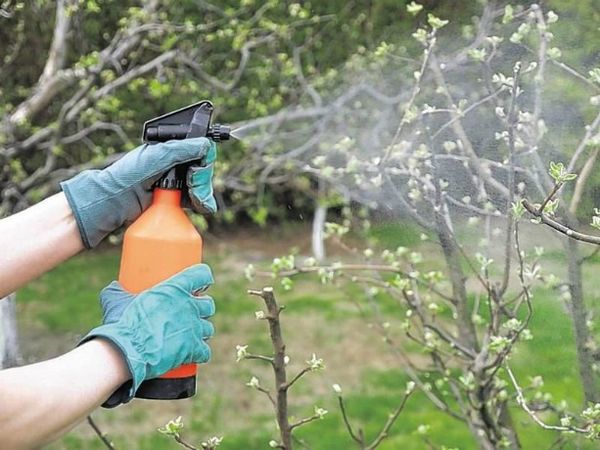
The following fungicides have proven to be the best in the fight against this disease:
- Raek;
- Horus;
- Gamair;
- Strobe;
- Fitolavin (belongs to antibiotics).
Getting rid of the disease with their help is quite easy. Each gardener decides for themselves which of the above remedies to use for their garden.
Folk remedies
The safest existing method for combating scab is the use of folk remedies. However, not every gardener knows how to treat apple trees against scab using folk remedies. Such solutions can only be used in the early stages of the disease. It's important to remember that apple trees should only be sprayed with a fresh solution, prepared at home using the following ingredients:
- mustard;
- Potassium permanganate. After using it, harmless dark spots may appear on the wood;
- Mineral fertilizers. They should contain potassium nitrate or salt, potassium sulfate, and ammonium nitrate;
- Urea. This solution should be used to thoroughly spray the tree in the fall.
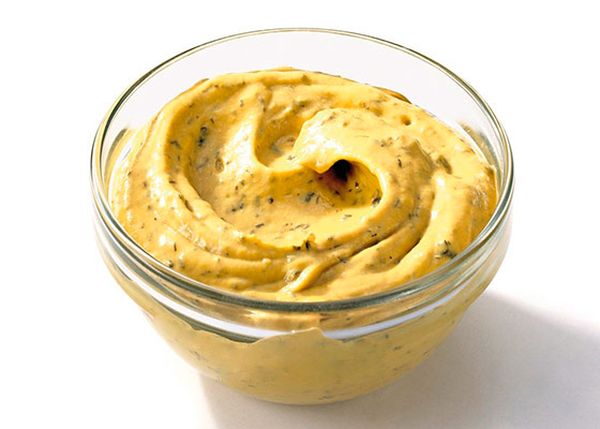
However, this type of apple tree protection against apple scab isn't always effective. Knowing how to treat apple trees with folk remedies can help you quickly get rid of this fungus. This treatment is usually performed in early spring and is often used as a preventative measure.
Scab-resistant varieties
To avoid worrying about how to treat apple trees for this disease, it's best to plant varieties that are highly resistant to the disease. These varieties are also suitable for planting in the Moscow region. However, it's worth noting that apple scab-resistant varieties for the Moscow region and other regions can become infected with the pathogen if poorly cared for.
Under normal conditions, apple varieties immune to apple scab are virtually unaffected. However, experienced gardeners recommend spraying them with folk remedies as a preventative measure. Immune apple varieties were created by crossing varieties carrying the gene from the East Asian variant of this fruit crop. This gene gives the trees their high immunity. This gene is called "Floribunda."
Among the apple tree varieties resistant to scab, the following varieties are worth highlighting:
- Bolotovskoye;
- Imrus;
- Kandil Orlovsky;
- Stroevskoe;
- Rich.
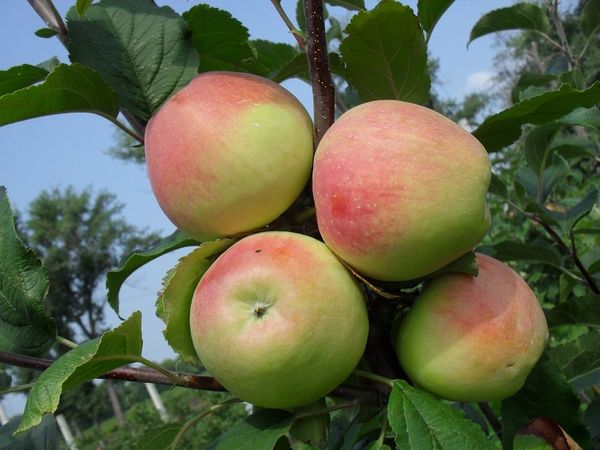
When growing these varieties, there are practically no problems with scab.
Prevention
The best way to protect apple trees from various pathogenic microflora is preventative treatment. This is carried out in the fall and continued into the spring.
Preventive measures include the following actions:
- pruning dry and damaged branches;
- raking of fallen leaves and other construction waste with mandatory subsequent burning;
- treating the bark with a solution of copper sulfate or Bordeaux mixture;
- spraying trees with various biological preparations (for example, "Agat-25K").
It's also important to avoid over-fertilizing or under-fertilizing. This can lead to fungal growth on the tree. Now you know what apple scab looks like and how to treat it. There are several ways to get rid of this disease, so every gardener can choose the best method for their needs.
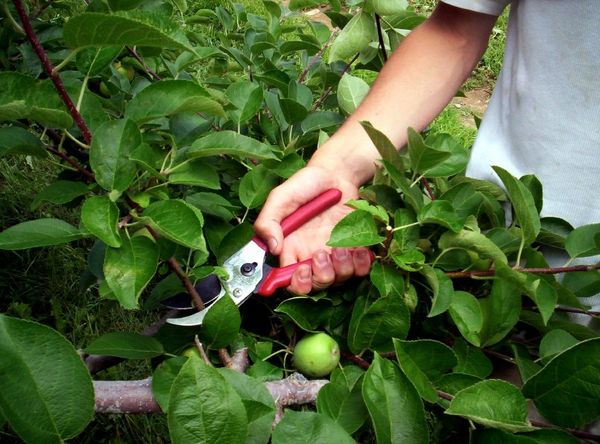
Video: How to Fight Apple Scab
In this video you will find useful tips on how to combat apple scab.