
Description and care of the highly immune apple tree variety Imant
Content
Description of the variety
The Imant apple tree, a winter variety popular among gardeners in our country for many years, is a relatively newcomer. It was developed in 1999 by Belarusian breeders. It's worth beginning our discussion with a description of the tree. A mature tree can typically reach 3 meters in height. It has a rounded and fairly dense crown that rises upward.
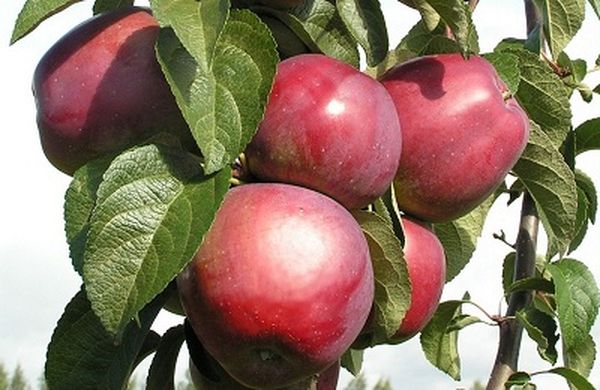
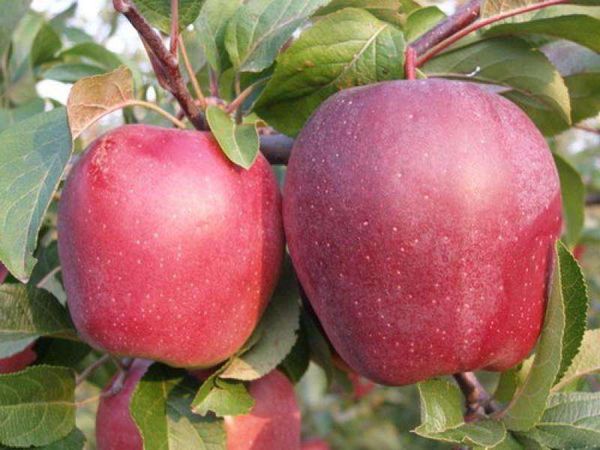
Apple tree fruiting can be observed on fruiting canes, rings, and spears. Therefore, it is considered a mixed-fruiting tree. The fruits, each weighing 180 grams and sometimes up to 200 grams, are described as round and slightly elongated.
The primary color of the peel is green, but it's difficult to see due to the dark red skin, which has shades of purple and violet. Inside, the pulp is medium-dense in texture, with small grains present. The taste is always crisp, sweet and sour, and creamy. The fruit contains approximately 12% dry matter, 1% sugars, 8.7 mg ascorbic acid, and approximately 0.7% titratable acids.
Main characteristics
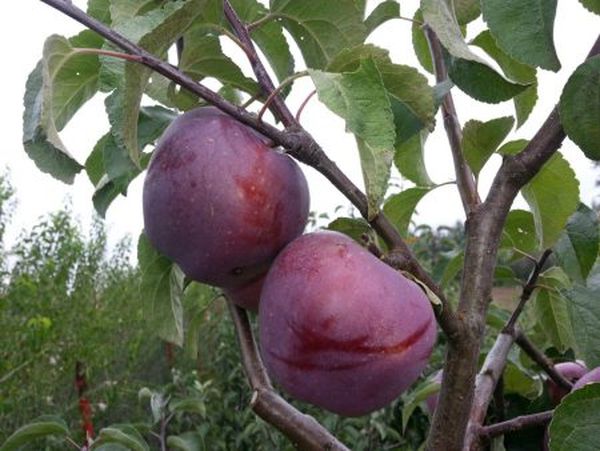
It's worth noting that the Imant apple variety is difficult to grow in Siberia. However, its good frost resistance makes it suitable for cultivation in the Moscow region. It is typically grown on a clone or seedling rootstock. A standard tree begins to bear fruit in the second year after planting. The harvest should be carried out in late September – early October. Apples of this variety have good shelf life and transportability. They are resistant to scab, wood cancer, and bark canker. They are early fruiting and produce high, consistent yields. Drawbacks include excessively dark fruit color and the possibility of producing apples of varying sizes and shapes if under-irrigated.
How to choose a seedling
Judging by gardeners' reviews, choosing the right seedling is crucial. It's recommended to buy seedlings aged one to two years at a garden store or market. If you use older ones, they won't be able to properly adapt after planting. Even an inexperienced gardener can visually determine the age of a seedling. A two-year-old seedling will have at least three additional branches, while one-year-olds will have none.
The trunk of a young seedling should be a rich green beneath the bark. There should be no damaged areas or growths on the surface of the trunk or root system. Simply pulling on the root can tell if it's starting to rot. The roots should be moist and flexible. Seedlings with a large number of roots will have the best chance of establishing themselves after planting.
Planting and care
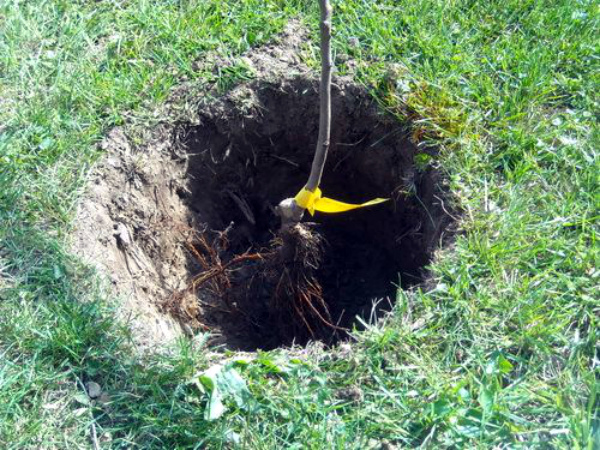
To determine how many seedlings can fit in the plot, it's worth marking it out. Keep in mind that the apple tree's root system will inevitably expand. About a week before the scheduled planting, dig a hole more than 90 cm deep. Fill it with a mixture of humus, soil, and mineral fertilizer. Within a week, the sides of the planting hole will have time to dry out and compact. The hole's diameter directly depends on the size of the seedlings' root system. On average, it ranges from 55 to 70 cm.
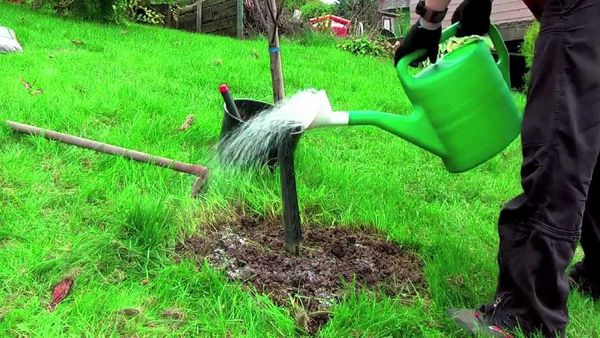
It's recommended to leave at least 3 meters between holes. The distance between rows should also be approximately 3-4 meters. A stake should be placed at the bottom of the hole to tie the seedling to. After the roots have spread out and the seedling has been placed in the potting mix, cover the roots with soil, compact it slightly, and water thoroughly. As for care, during the first year of cultivation, trees should be watered twice a week, sometimes more often. Avoid waterlogging. In the second year, pruning is planned to shape the crown.
This needs to be done before the seeds arrive. And don't forget to coat the cut areas with garden lime. For fertilizer, horse manure, cow dung, and bird droppings are recommended. Potassium, phosphorus, superphosphate, and urea are also recommended.
To prevent hares and mice from taking a liking to your apple trees and gnawing them, you need to wrap the trunks with roofing felt.
Covering the tree trunk with spruce branches also helps create reliable protection against rodents.
Diseases and pests
Although the variety is resistant to fungal infections, a white coating may appear on all parts of the tree. This is typical of powdery mildew. As a preventative measure, apple trees are typically treated with copper oxychloride or a product such as "HOM" after flowering. For the fungal disease cytosporosis, which causes dark brown ulcers, a preventative treatment with "HOM" can also be performed in early spring.
To prevent red apple mites, spray apple trees with "Karbofos" and "Dicofol." The codling moth is active during the flowering period. Periodically inspect the foliage and fruit, removing any that are infested. Remove old bark and spray the crops with "Chlorofos."
Video "Apple tree variety Imant"
This video will provide you with useful information about the Imanta apple variety.