
Characteristics of the sweet winter apple tree Honey Crisp
Content
Description of the variety
The Honey Crisp apple tree is considered a winter variety of this fruit crop. It was developed by an American breeder using Honeygold and Mecaun. This variety is most popular in Canada, America, and Western Europe. In our country, it is only gaining popularity due to its advantages and characteristics.
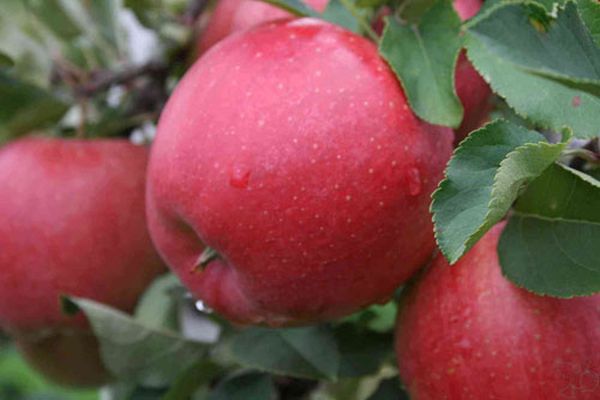
Trees of this variety have the following description:
- average height – 3–4 meters;
- narrow oval crown. With age, it acquires a broad oval appearance;
- mixed fruiting, which occurs in the 4th year after planting the seedling.
In order to achieve the earliest possible fruiting, it is necessary to adhere to the rules of care.
Main characteristics
This variety has the following characteristics:
- Fast growth rate. Within the first year after planting, trees reach their average size;
- High winter hardiness. Trees can withstand temperatures as low as -34 degrees Celsius without any consequences;
- excellent resistance to scab;
- ringed fruiting;
- suitable for forming central wiring;
- self-fertile and diploid variety.
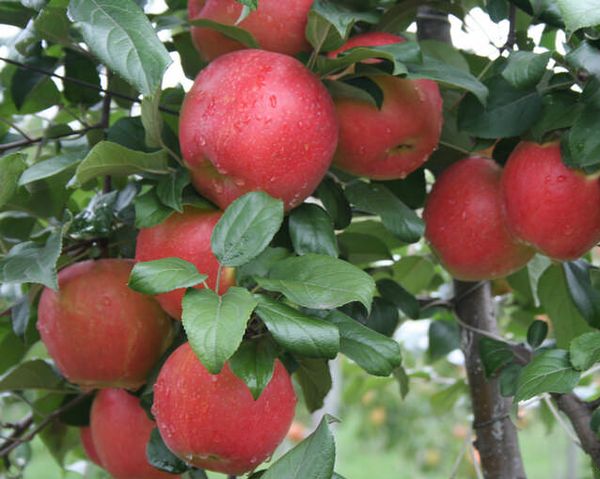
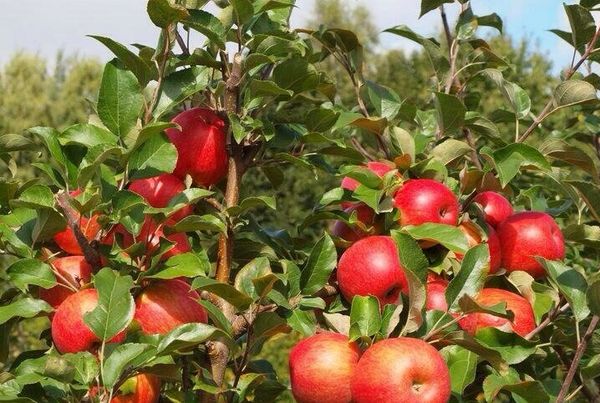
The Honey Crisp variety's main characteristic is its crisp fruit. Its flesh is dense and flakes off when bitten. Therefore, apples can be stored for quite a long time. The fruit is characterized by a harmonious and rich, slightly sweet flavor. When trees are grown in northern regions, the apples acquire a slightly tart flavor. They also have a pleasant apple aroma.
Apples of this variety have the following characteristics:
- large size. The average fruit weight is approximately 200 g. There are specimens weighing 300 g;
- alignment;
- round-conical shape;
- Shiny and smooth skin. Thanks to its high density, apples withstand transportation well;
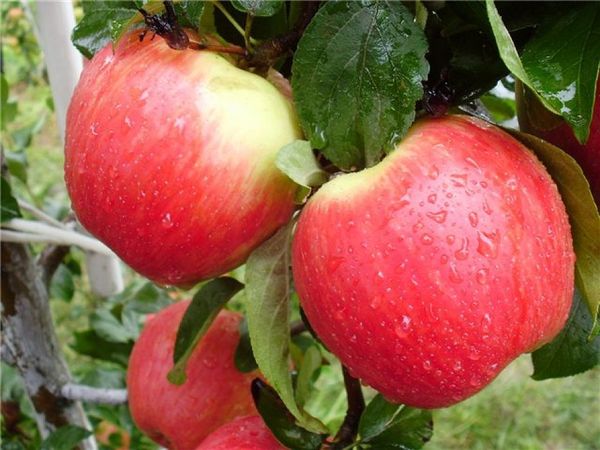
- The peel is yellow, with a distinct, diffuse blush. This blush covers almost half the fruit's surface. This is why the peel sometimes appears orange.
This characteristic of this variety of apples has made it extremely popular in many countries around the world. It's worth noting that apples may fall from the branches as they ripen. Therefore, it's recommended to pick them from the tree as they ripen. Fallen fruits store much worse.
In southern regions, harvesting of this variety can occur somewhat earlier than expected—as early as mid-September. The fruits ripen in mid-October, reaching consumer maturity in November. Honey Crisp is characterized by high yields. Due to its excellent flavor, its fruits are often eaten fresh. However, they can also be processed if desired.
Growing and care
Trees are grown in well-lit areas of the garden. The Honey Crisp variety is characterized by simple care, which is practically no different from other varieties of this fruit crop. To ensure good fruit production, the following pollinator varieties should be planted alongside Honey Crisp seedlings:
- Askold;
- Everest;
- Golden Delicious;
- Idared.
To increase yields, gardeners often resort to rationing, as trees tend to become overloaded with fruit. Without rationing, yields will decline each year. Therefore, the plant should periodically "rest" from harvesting.
The care itself involves the following activities:
- regular watering;
- mulching the tree trunk circle with various mulches;
- loosening the soil (performed after watering);
- periodic weeding;
- preventive treatment of trees against harmful parasites and pathogenic microflora;
- adding fertilizer to the tree trunk circle.
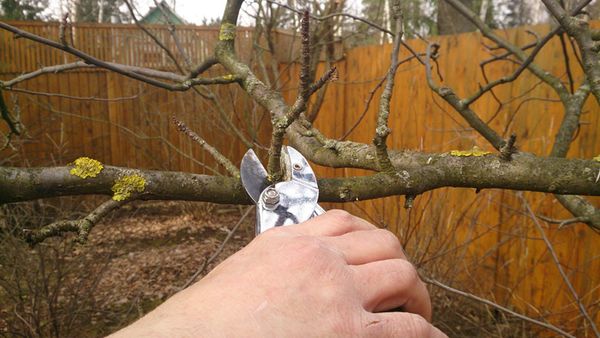
In spring, trees require pruning. During this period, branches damaged and broken over the winter are removed. Formative and rejuvenating pruning is also performed.
Many gardeners report that stored fruit can be susceptible to a disease called subcutaneous spot. This disease shortens the shelf life of the fruit and reduces its marketability. To prevent this disease, trees should be given increased calcium-rich fertilizers. Foliar feeding should be performed every 10 days during the fruit ripening period. This results in approximately 10 fertilizer applications per season. Liming the soil during this period is also recommended.
Fruits should also be treated with calcium-containing preparations before storage.
Diseases and pests
The Honey Crisp variety has a relatively high resistance to fungal infections. It is rarely affected by scab or powdery mildew. However, despite this, trees should still be sprayed with specialized products to prevent the development of parasites and diseases.
Pros and cons
The advantages of planting this variety in the garden include the following points:
- High cold resistance. Honey Crisp is recommended for growing in climate zone IV (temperatures -25–30 degrees Celsius);
- High yield. A six-year-old tree produces up to 9 kg of harvest;
- The fruits have excellent taste parameters. They have a dessert-like flavor;
- large-fruited;
- good transportability and shelf life of apples;
- excellent immunity against fungal diseases.
Disadvantages include fruit drop during ripening and fruit blight. The Honey Crisp apple variety has many positive qualities, which has made it popular among gardeners both in Russia and abroad.
Video "Honey Crisp Apple Tree"
This video will tell you about the characteristics of the Honey Crisp apple tree.