
Features of caring for the early apple tree variety Grushovka
Content
Description of the variety
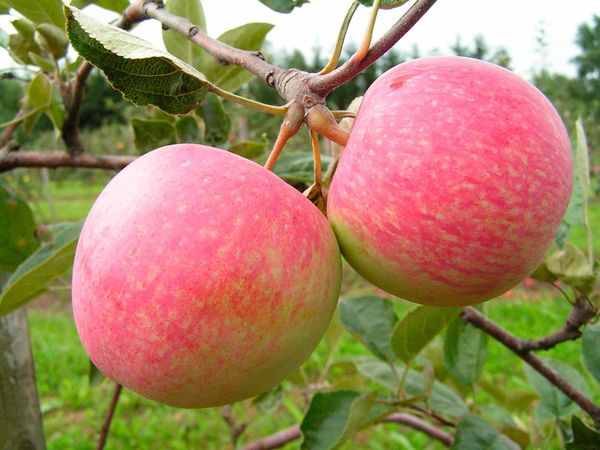
The description of the variety begins with the apple tree's appearance: it's a tall tree with a voluminous crown, reaching a height of 7 meters. Its average lifespan is 50 years, but it begins bearing fruit early—the tree will delight you with apples as early as its fourth year.
Main characteristics
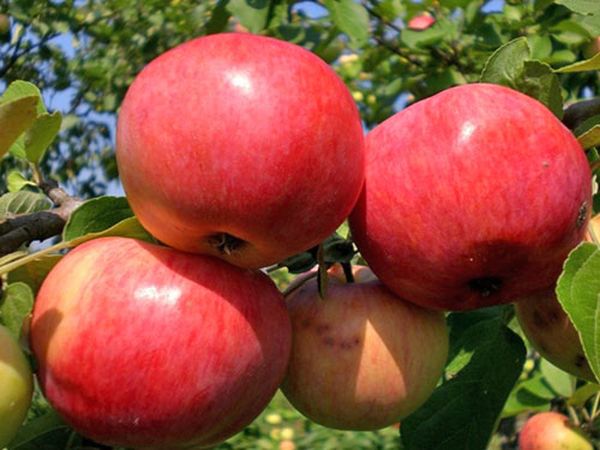
The Grushovka apple tree is characterized by high productivity: in the first few years, each tree will yield about 10 kg of fruit, and by the age of 15, up to 80 kg. However, the apples are not particularly large, weighing approximately 100 g each. The fruits are round, yellow-green, and streaked with red. The flesh is tasty, aromatic, and juicy. The Moscow Grushovka apple tree is the main variety, while the Winter Grushovka, Revel Grushovka, and Early Grushovka are hybrids created by crossing the main variety with other varieties. The Early Grushovka is considered the most successful variety, producing large apples, and each tree can yield up to 200 kg.Winter Pear is very productive – you won't harvest less than 100 kg from a tree, but, unfortunately, it is not very frost-resistant.
Growing and care
The apple tree variety called Grushovka is not particularly capricious, but still requires certain conditions:
- trees prefer to grow in sunny places, protected from strong winds;
- When planting a tree, ensure there is a drainage layer at the bottom of the hole, otherwise moisture will stagnate, which will inevitably lead to the development of fungal infections;
- For apple trees of this variety, black soil, slightly acidic turf or sandy loam soil are best suited;
- the tree grows large, so the planting hole needs to be prepared accordingly - about 1 meter wide and about 80 cm deep;
- The Grushovka apple tree prefers organic fertilizers – humus or compost.
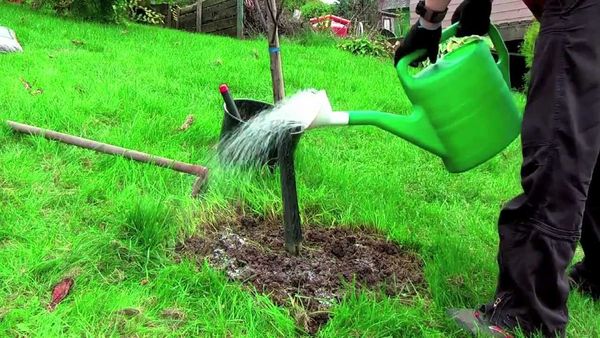
As for care, experienced gardeners report that this variety doesn't require any special attention—regular watering, fertilization, and crown shaping are sufficient. If the weather is hot, water the seedling using a sprinkler, but ensure the foliage dries out completely.
Plan your fertilizing so that the total amount does not exceed 4 times per season: at the end of April, before flowering, during the period of active fruiting, and in the fall, after harvesting.
Diseases and pests
Although the pear tree is considered a moderately disease-resistant crop, it is sometimes susceptible to fungal infections, including scab, fruit rot, and powdery mildew. One factor contributing to the disease's development is the tree's dense, lush canopy, which creates high humidity. To prevent this problem, preventatively spray the apple trees with fungicides. This should be done twice: during bud formation and immediately after flowering.
To prevent diseases, you need to do the following:
- regularly prune and shape the crown;
- systematically treat trees with preventative substances;
- Do not leave fallen leaves over the winter, but remove them thoroughly, as rotting leaves provide an ideal environment for the development of pathogenic microorganisms.
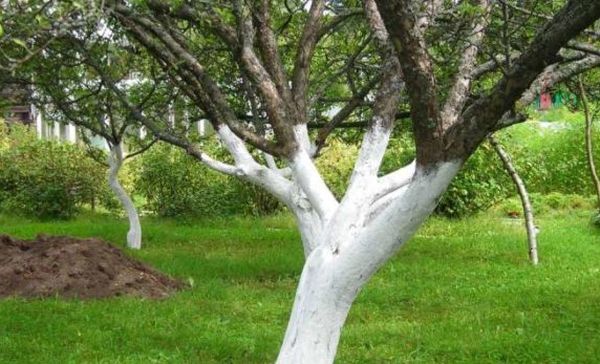
When it comes to pests, aphids and apple moths pose the greatest threat. Traditional Bordeaux mixture or copper sulfate are effective against them. Rodents are another problem. With the arrival of cold weather, the bark of apple trees becomes especially attractive to mice and hares. Don't forget to whitewash the trunks, or even wrap them with a protective layer of covering material, such as roofing felt.
Pros and cons
The main positive characteristics of pear trees include:
- early fruiting of trees;
- rapid ripening of the crop;
- high yield of the variety;
- excellent taste and nutritional characteristics of the fruits.
Weaknesses include uneven fruiting, low drought resistance, poor transport characteristics, and low suitability of fruits for processing.
Video "Early Apple Tree of the Grushovka Variety"
This video will tell you about the characteristics of the early apple tree variety Grushovka.