
Characteristics of the autumn-winter Fuji apple tree
Content
Description of the variety
The late-ripening Fuji apple variety was developed at the beginning of the last century, so it's worth beginning the description with its history. Fuji is a hybrid of two very distinguished varieties: Red Delicious and Rolls Janet, which Japanese breeders considered ideal for creating new fruits of exceptional beauty and flavor. The hybrid was developed in 1920 in the Japanese province of Fujisaki, from which it takes its name. The variety was so successful that it soon spread to orchards in Western Europe, the United States, and then throughout the world.
The Fuji apple tree is a medium-sized to tall tree. Left unchecked, it can reach a height of 6 m, but with proper pruning, it typically maintains a short (3–4 m) height and a regular, rounded crown. The trunk and main branches are light brown with a gray tint, younger shoots are paler, and the bark is slightly wrinkled. The leaves are smooth, lanceolate-oval, and the young leaves are noticeably pubescent. Apple trees bloom late – at the end of May, so they rarely suffer from spring frosts.
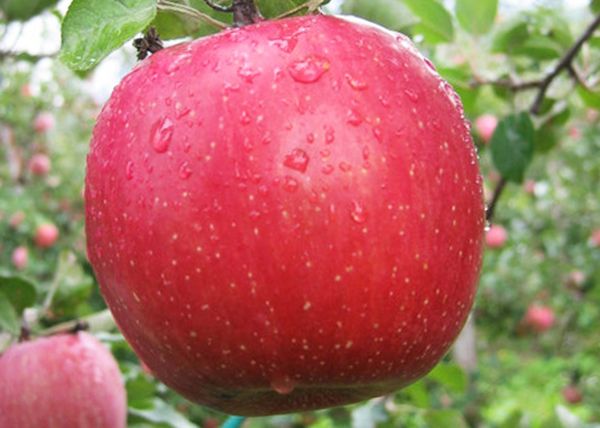
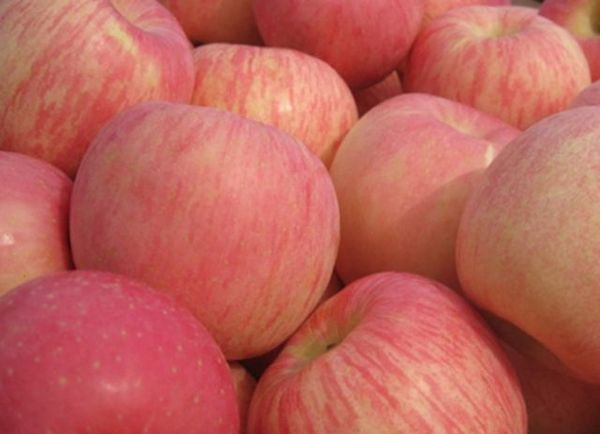
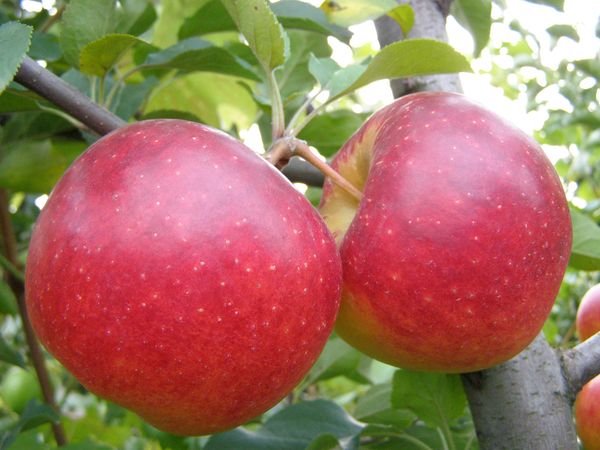
The fruits have an exceptional marketable appearance. They are very large (200–250 g), perfectly rounded, and slightly widened at the stem. The skin is smooth and even, completely covered with a bright raspberry blush. The flesh is creamy, juicy, and very aromatic. But the special value of this variety lies in its delightful dessert flavor, which, as it ripens, shifts from sweet and sour to honey-like, without the slightest sour aftertaste.
Main characteristics
The Fuji apple tree is a winter-bearing variety. The fruits reach harvesting maturity by the end of October, and consumer maturity a month later. A distinctive feature of this variety is its high yield. The trees begin bearing fruit early, 2–3 years after planting. The first two harvests may not meet expectations in terms of fruit quantity and flavor, but then the apple tree reaches its peak, delighting with very sweet, high-quality apples. Fruiting is somewhat periodic, with each second year being more productive than the previous.
The trees have good frost and drought resistance. This characteristic allows Fuji apples to be grown in both southern and temperate climates with long, frosty winters. It's also worth noting that the trees have good (moderate) resistance to scab, but very low immunity to fire blight and powdery mildew.
Growing and care
Fuji apple trees are capable of self-pollination, but planting nearby varieties such as Ligol, Golden, Granny Smith, and Gala will help increase the yield and quality of the fruit. Apple tree seedlings should be planted in a sunny area with good, fertile soil – this will result in brighter and sweeter apples. For a healthy tree, it's crucial to avoid overwatering the soil and air.
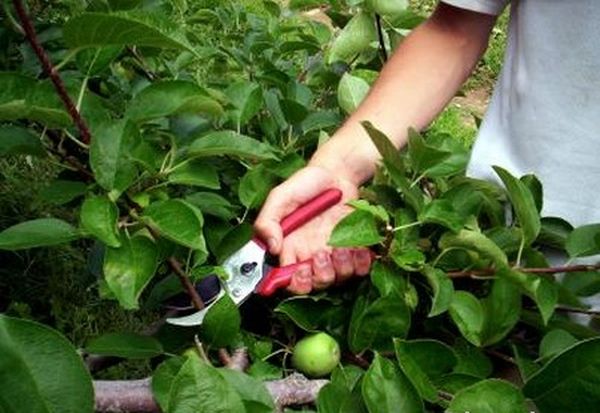
Basic care for apple trees includes the following activities:
- crop regulation (removal of excess ovaries);
- loosening and mulching tree trunk circles;
- watering in hot weather;
- seasonal fertilizing: in spring – nitrogen mixture (20 g/m²), in autumn – phosphorus 110 g, potassium 30 g, manure 4–6 kg (applied to the tree trunk circle);
- crown formation.
Young trees up to 2 years old need to have their trunks hilled up for the winter to prevent the roots from freezing.
Harvesting and storage
The fruit is harvested no earlier than mid-October, or even later. Since the apples need about a month to fully ripen, they can be left on the tree until the first frost. After the leaves fall, the apple tree, laden with bright, large fruits, looks especially decorative. The Fuji variety is designed for long-term storage. Even in normal warehouse conditions, the fruits store well for 4-5 months, and when kept in a cold store, their marketable qualities and flavor are preserved until the next harvest, making it suitable for commercial apple cultivation.
Diseases and pests
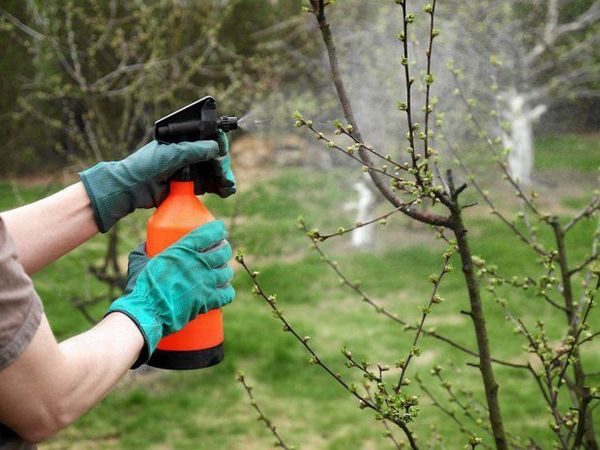
With proper care, including preventative treatments, it's almost always possible to preserve and harvest the fruit. In the spring, during bud break, apple trees should be sprayed with a 3% Bordeaux mixture—this will prevent scab and fungal diseases (powdery mildew). To boost immunity, it's recommended to treat the trees with a urea solution (50 g/10 l of water) immediately after flowering.
Apple trees grown in hot regions are often damaged by aphids. These insects don't directly harm the fruit, as they feed on leaf sap, but their activity significantly weakens the tree, affecting yield. A solution of nitrofen (300 g/10 l of water) is effective against aphids, as are any general-purpose insecticides. Sprays are applied at the beginning of the growing season and again before flowering.
Pros and cons
The only drawbacks of this variety include susceptibility to infectious and fungal diseases, as well as irregular fruiting. However, the variety has many more advantages:
- excellent resistance to drought and frost, allowing apples to be grown in a temperate climate with all its characteristics;
- excellent presentation of apples, durability and transportability;
- high taste qualities and balanced composition of fruits.
These qualities make the Fuji variety one of the best in the list of leaders for commercial cultivation, as evidenced by numerous laudatory reviews from consumers and gardeners around the world.
Video: "Overview of Winter Apple Varieties"
This video will tell you about the different types of autumn-winter apple trees.