
Scheme and rules for forming the apple tree crown
Content
What does it depend on and how to choose a scheme?
In gardening, there are several different methods used to shape the crown of an apple tree. It's a misconception that the choice of apple tree pruning method depends solely on the preferences and wishes of the gardener.
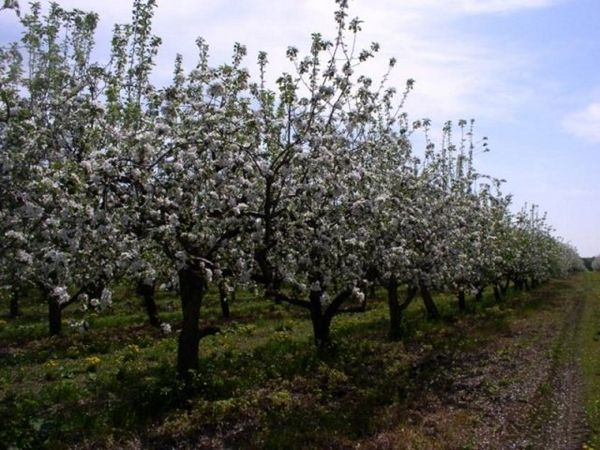
The key factors influencing the choice of the scheme and the formation of the apple tree crown are considered to be:
- apple tree variety;
- placement of the rootstock if the plant was grafted;
- location of the tree (standing alone, growing in a densely planted garden, planted near the wall of a house or fence).
When to prune an apple tree
What time of year should I prune an apple tree, and how should I do it? These questions are often heard from gardeners who lack experience and skill in pruning fruit trees. The formation of the crown of a young apple tree occurs almost immediately after the seedling is planted in the ground. A young tree has a poorly developed root system, which is unable to provide adequate nutrition and develop a large crown. Experienced gardeners recommend cutting branches two to three times shorter. During the first year after planting, the tree establishes itself in the new soil, grows, develops, and develops. Follow this rule: prune the apple tree in the spring after the last frost has passed, but before the period of active sap flow begins.
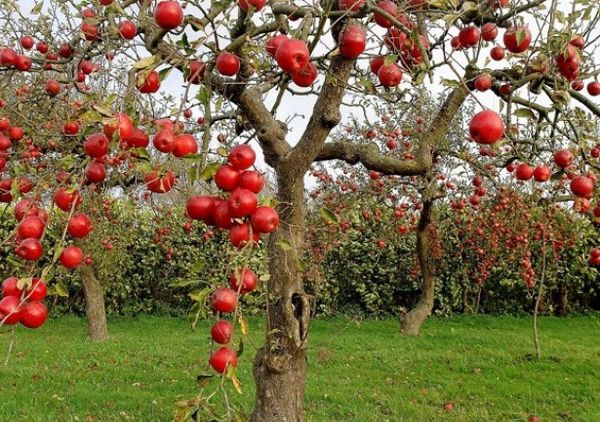
In the second year of a tree's life, crown shaping can be done in either spring or fall. However, spring pruning is considered more effective and is performed before flowering and fruiting. In the fall, it's best to remove old branches from mature apple trees. Just do this before the first frost, to allow the plant time to heal.
Apple tree pruning patterns
Unsure how to shape an apple tree and worried about pruning it incorrectly? Try one of the most common tree pruning techniques in gardening:
Tiered-sparse type of pruning
Training an apple tree using this method is easy. This method is considered the most common and easiest to implement. As the name suggests, the branches will be arranged in tiers. It's suitable for orchards where the distance between trained and mature trees is at least 3 meters. Three to four skeletal branches are left on the central trunk, arranged in tiers, with the lower tier consisting of only two branches. A common variation is for the lower tier to have a single branch, while the second tier, located 15–20 cm higher, has two.
Spindle formation
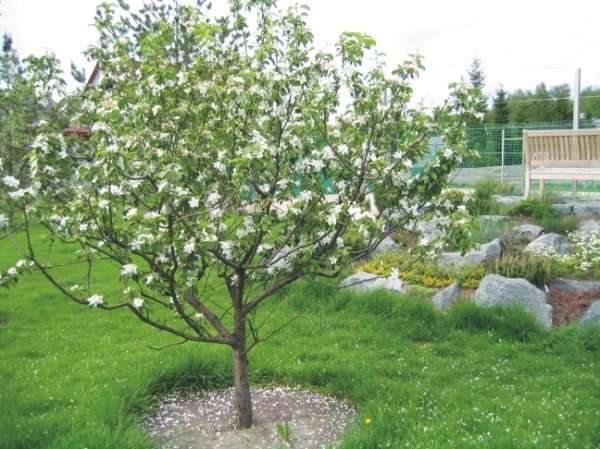
A spindle-shaped crown should be created in the first year of the tree's life. All branches are evenly spaced along the apple tree trunk. Using special tools, the lower tier or formative base is pulled downward. This method is considered the simplest way to create a crown, as only the guide branches can be adjusted.
Bowl-shaped formation
A cup-shaped or vase-shaped form is similar to a tiered, sparse crown. This crown can be formed as follows: the tree's trunk is 40–50 cm high after planting, plus 30 cm for the growth and development of skeletal branches. After a year, new shoots are pruned at 40–50 cm, with the conductor shortened to the upper skeletal branch.
Vertical palmette of grafted seedlings
It has an interesting crown shape: the branches are aligned in a single plane. The branching pattern is the same as for layered pruning. The process is lengthy, taking at least four years. These trees are typically planted along house walls or fences.
Further care
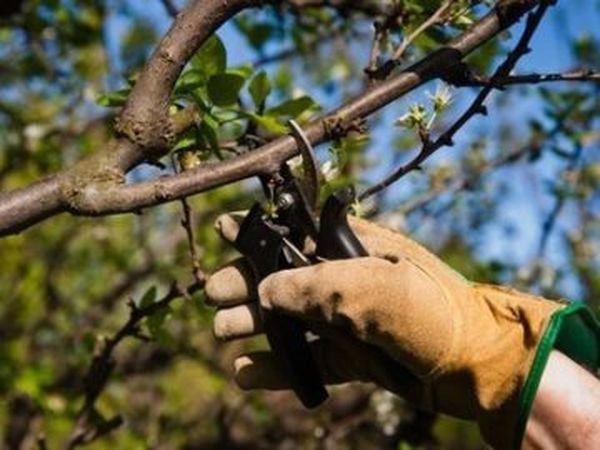
When pruning apple trees in spring and autumn, do not forget to treat the cut areas.
Thin branches don't require any special care; the cambium quickly heals the wounds. Thicker branches should be treated with varnish or garden paint. Why take such protective measures? To prevent the possibility of apple tree infection, to prevent pathogens and insect pests from penetrating the subcutaneous layer. Also, don't forget to treat gardening tools with disinfectants.
Beginner mistakes
Training an apple tree isn't a difficult process if approached correctly and with preparation, but "new" gardeners often make mistakes. Incorrect crown training can lead to a significant reduction in fruit production, unpalatable fruit, and the trees themselves becoming less resistant to various diseases. When pruning branches, remember to treat the wounds with garden pitch. Otherwise, rotting and infection can occur. It's also a mistake to assume that only spring pruning is suitable for fruit trees. Fall pruning is often called sanitary pruning, as it removes branches damaged by pests and diseases, reducing the risk of disease during flowering and fruiting.
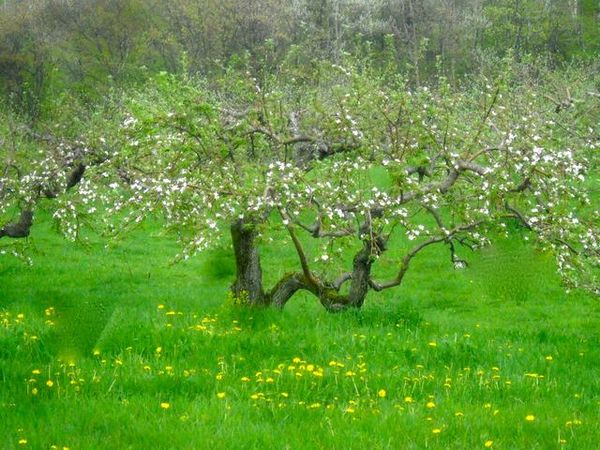
Remember that an apple tree's crown develops over several years. Initially, it's essential to create all the conditions necessary for vigorous growth. For the tree to produce delicious and juicy apples, properly shaping the crown isn't enough; it also requires proper care, watering, and fertilizing.
Video: "Forming the Apple Tree Crown"
This video will show you how to properly shape the crown of an apple tree.