
Characteristics of the American apple tree Jonagold
Content
History and description of the variety
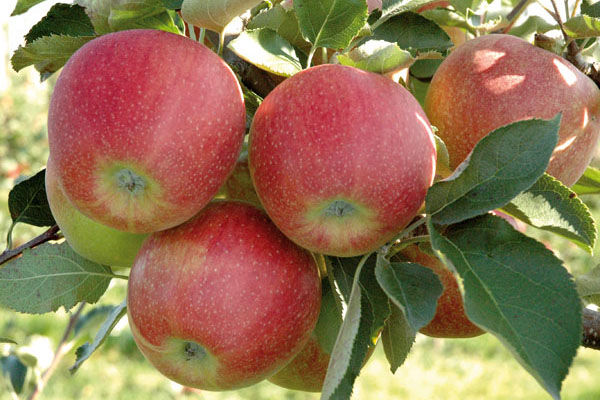
The history of this apple variety's creation is quite interesting. A description of it was found as early as the last century. As usual, many gardeners tried to create something new, and after many attempts, a new apple variety emerged. It was created from the Jonathan and Gold Delicious varieties, using the first parts of their parents' names, resulting in the new name for this tasty and prolific variety: Jonagold. Today, breeders have developed over a hundred varieties of this apple.
The Jonagold apple variety is vigorous and fast-growing. The crown of young trees is oval, becoming spherical as they mature. Branches extend at fairly wide angles. The variety's buds are highly responsive, but the tree produces shoots more slowly. Fruit forms on rhizomes, fruiting canes, and shoots no older than one year.
Bloom time is average. These apple trees are triploid, so they require at least two pollinations for good fruit production. The best pollinators are Idared, Gloucester, and Elstar. The apples are always large, weighing from 150 to 250 grams. They are usually round or slightly elongated in shape, with characteristic ribbing around the calyx. The skin is medium in thickness.
Crop yield indicators
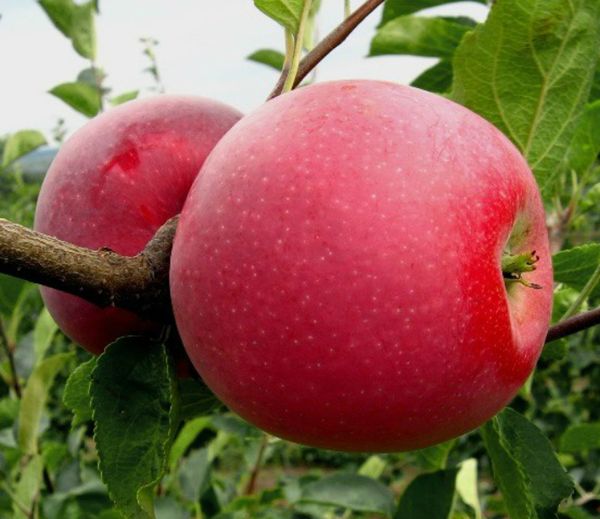
The harvest period begins approximately 2 or 3 years after planting. During the first 10 years, you can get up to 15 kilograms per season. After that, the yield increases to 60 kilograms. Fruiting begins in September, when the apples are turning color.
The best clones
This variety is very popular worldwide. It's therefore not surprising that many clones have been created, each possessing various characteristics of the variety. The main distinguishing feature of a clone is the brighter color of its fruit.
Usually, there are 5 main clones of this tree:
- With a bright color, characteristic blush, and shading – Wilmut and New Jonagold apples.
- Apples that are red but more washed-out in color. These include Jonica, King Jonagold, and Goldpurple.
- Medium intensity of colour, usually from bright to the darkest red – Novayo apple tree.
- Varieties with a dark blush. Fruit may have shading. These include the Jonagold, Jonagold Decosta, and Romagold apple varieties.
- Clones with a diffuse or uniform blush over the entire surface. The apples are always dark in color – Marnica, Rubin-Star, and Jomured.
Growing and care
Like all apple trees, this variety has a number of characteristics that must be strictly observed when planting and growing. Here are the main ones:
- Planting can take place in both spring and autumn, the main thing is before the first frost.
- The soil is loose and contains sufficient fertilizer.
- The planting site should be chosen as bright as possible, requiring a large amount of sunlight.
- The planting hole should be at least 100 cm deep and 70 cm deep.
- The soil can only be fertilized with mineral fertilizers.
- The grafting site of the seedling should be at least 5 centimeters above the ground.
- After planting, abundant watering is necessary.
Next, maintain optimal watering. Otherwise, tree care is the same as for other apple trees. You can use the same techniques as for other varieties. Fruiting begins three years after planting.
Harvesting and storage
The fruiting period begins in early autumn. The tree produces optimal fruit in our country's climate, but the total yield depends on proper care and the growing climate.
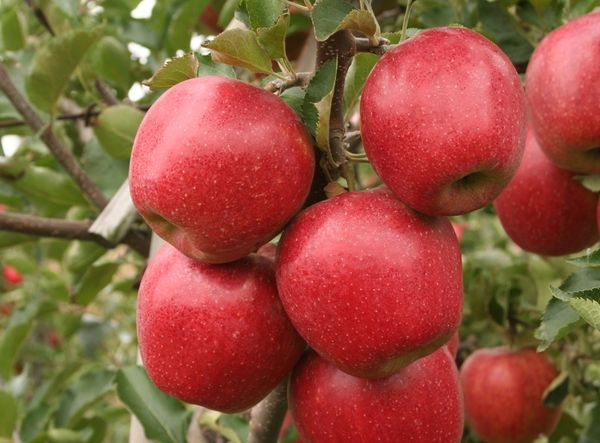
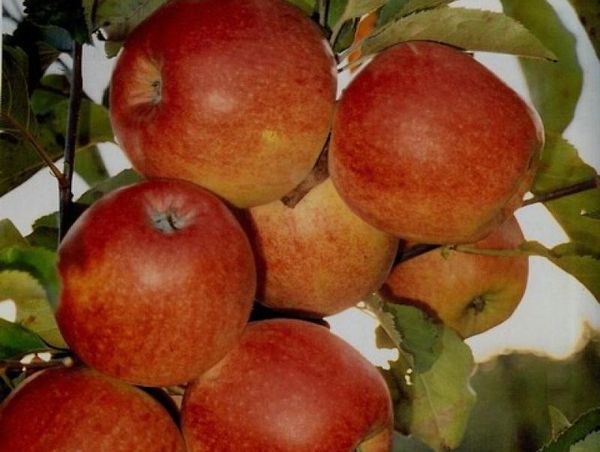
The fruits are usually harvested in September. It is recommended to pick them when the yellow and orange colors appear, but not when they are green.
Ripeness of the fruit is usually determined by its pink blush. Full ripeness occurs around January. Apples should be stored in cool rooms or refrigeration units until spring. Reviews of their taste confirm that storage time does not affect their quality.
Diseases and pests
This apple variety has moderate frost and pest resistance. In our country, it rarely suffers from scab. Powdery mildew is a common attack, requiring near-constant control. In spring, the fruit should be treated with Bordeaux mixture. After budding but before flowering, Jonagold should be treated with copper-containing products. The number of treatments depends directly on weather conditions.
The characteristics of this apple variety make it particularly attractive for those seeking good, juicy, and delicious fruit. The apples store for a fairly long time without losing their quality. Although the trees themselves are not particularly disease-resistant, the variety has many fans.
Video "Jonagold Apple Variety"
This video will tell you about the characteristics of the Jonagold apple variety.