
Features of growing and grafting wild apple trees
Content
Description and characteristics
Various species of wild apple trees grow in Russia and Ukraine: the wild or forest apple, the oriental apple, the Siberian apple, the downy apple, and others. Wild varieties are the progenitors of the cultivated varieties, of which there are over 10,000.
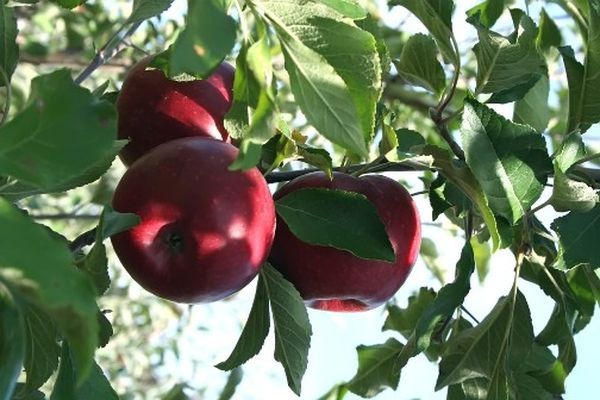
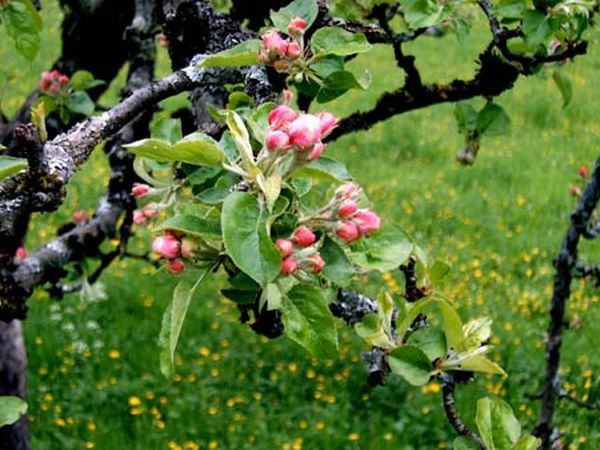
The most common species is the wild apple. The tree is quite branched, reaching up to ten meters in height. It can also grow as a tall shrub. The branches are often thorny. The apple tree has a rounded shape. The leaves are broad, rounded or oval. The flowers are pink or white during flowering.
The plant's fruits vary greatly in shape (from 1 to 2.5 cm), size, and color. The apples are mostly round, sometimes oval. The fruits come in green, red, and yellow-white. They ripen from the first ten days of August until November. When fully ripe, the flesh is often whitish or pale yellow. Fruiting begins at 10 years of age. The trees produce very high yields, but the fruits often have a bitter taste.
Wild apples often vary in taste, but there are two main groups: sour apples and fresh apples (weakly acidic). It's best to eat wild apples no sooner than a month after harvesting.
Planting, growing and grafting
To grow a good apple tree from a wild apple tree in your garden and reap a high-quality harvest, you need to put in a tremendous amount of work and know the basic rules of growing, planting, and grafting. This work is carried out by specialists at nurseries, but private gardeners can handle it themselves. The first step is to select seeds. To do this, collect the fruit from a well-lit part of the plant.
The removed seeds should be rinsed, dried, and placed in a container with water. The water should be changed daily. Growth stimulants can be added to the water if desired. The seeds should swell, after which they should be transferred to a pre-prepared container: line the bottom with sawdust and moss, or sawdust and sand. Then, place the container with the seeds in a cool place for several months. The seeds can be planted directly in soil, but certain planting guidelines must be followed. In winter, the seedlings are planted in a greenhouse, and in spring, they are planted in the ground.
To ensure good development and fruiting of a wild apple tree, it's important to carefully select a planting site. A sheltered, sunny spot is ideal.
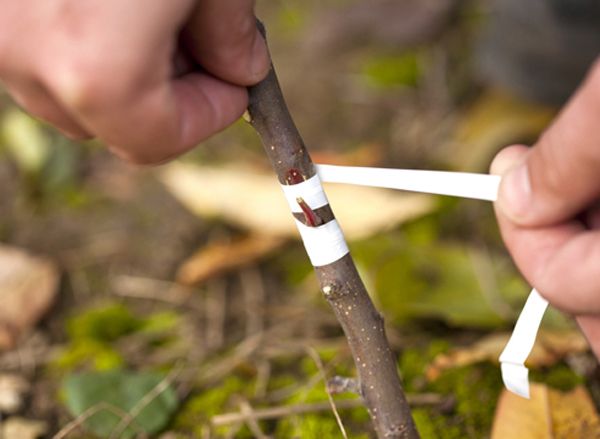
An essential part of caring for a wild apple tree is grafting. There are several methods of grafting. Most commonly, a wild apple tree is grafted using a scion. This procedure is best performed in the spring before the first leaves appear. For this, strong, healthy shoots from the current year are selected. It's worth noting that they can be harvested in the fall by cutting 30-centimeter branches. Store the scions wrapped in cloth in a bag in a cool place.
For grafting, which is done in summer, cuttings are not required. To do this, take a one-year-old branch with buds, remove all leaves, and graft it using the gardener's chosen method.
Diseases and pests
Like most varieties, the wild apple tree is susceptible to various diseases and pests. The plant can be affected by fungal diseases, which attack leaves, flowers, shoots, and fruit. The most common diseases of the wild apple tree are scab, powdery mildew, brown spot, and rust. These diseases cause the tree to lose its leaves, flowering is poor, and yields are significantly reduced. Diseases such as black canker, rot, and cytospore necrosis can also be dangerous to branches and roots. Frost and drought also negatively impact the tree's development.
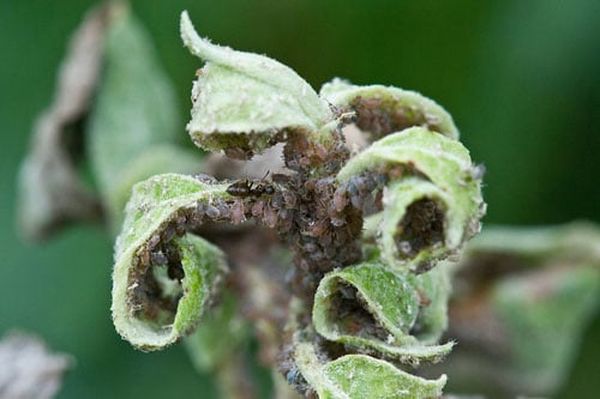
Wild apple trees are susceptible to attack by more than 200 species of various pests, including flies, butterflies, mites, beetles, etc. These pests eat foliage, buds, and fruit. Birds and squirrels may also eat wild apple trees.
To protect the tree from diseases and pests, certain treatments are necessary. For example, chamomile or elderberry infusions are excellent. The orchard can also be treated with pesticides, but in this case, the apples should not be eaten for at least a month after treatment. Furthermore, timely fertilization, weed control, and crown pruning will help protect the apple tree from pests.
By following the basic rules for growing wild apple trees, you can grow a beautiful garden with a good harvest.
Video: "Grafting Fruit Trees"
This video will show you how to properly graft fruit trees.