
An overview of varieties and care features of ornamental apple trees
Content
Weeping
Another name for this variety is the riverside apple. It's native primarily to North America, but also thrives in our climate. Thanks to its thick bark, it can withstand even severe frosts. With proper care, it can reach a height of up to 12 meters.
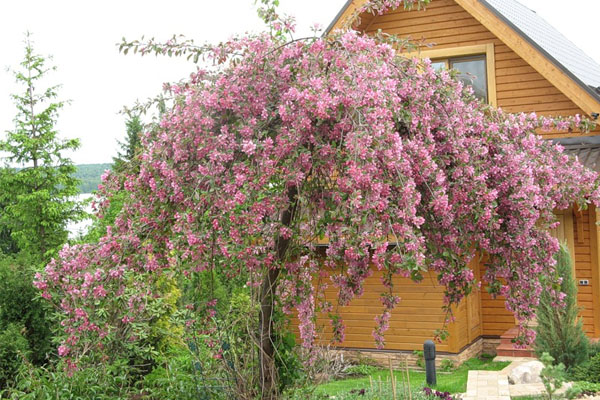
It received its name due to the fact that, under the weight of leaves and apples, its flexible branches increasingly bend towards the ground during the course of its life.
Nedzvetsky
This variety is the most common in our area. Many gardeners consider it unrivaled among fruit trees. It has an oval crown that reaches a maximum height of 3.5 m and a width of about 2.5 m, giving it an even more rounded, inviting appearance. This beauty boasts eye-catching purple flowers and raspberry-colored fruits about 4 cm in diameter. The only drawback is that this variety is susceptible to damage from severe frosts.
Apple tree with red leaves
Since this apple tree is a hybrid, it withstands all adverse conditions it can face. Another advantage is its apparent resistance to scab and other diseases that affect its sister trees.
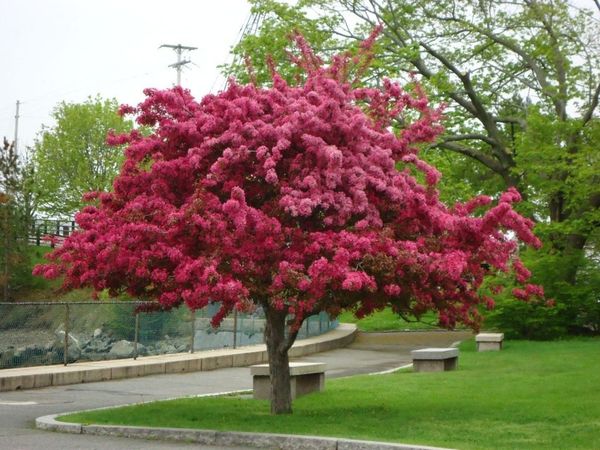
The red leaf apple tree grows up to 4 m in height and up to 3 m in width. Initially, it produces purple leaves, and when the red apples ripen, it turns emerald. This red ornamental apple tree delights its owner with a riot of color. It tolerates frost well.
Royalty
It's distinguished by its very slow growth rate—8 to 10 years. After this time, you can grow a tall specimen—up to 5 meters in height and 4 meters in crown diameter. It has unusual narrow leaves with a glossy purple sheen. In autumn, they take on a red hue, but retain their brightness and appeal. It's also frost-resistant, but does not tolerate acidic soil or stagnant water.
Robin
It looks like a low, oval-shaped bush with a wide, dense crown. It's distinguished by its deep red buds, which attract attention even before they open. Eventually, the apple tree becomes covered in red flowers that begin to emit a pleasant raspberry aroma.
Chinese woman
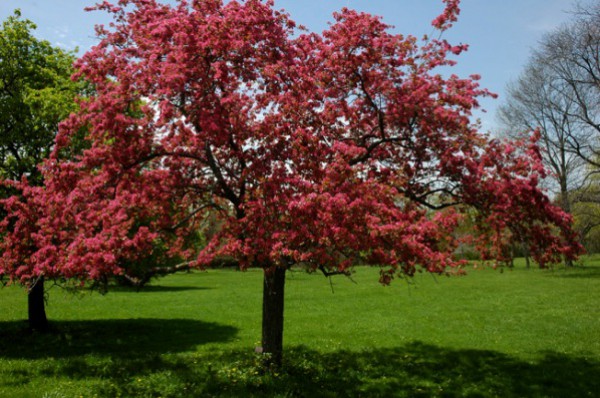
It's distinguished by its edible fruits, often used to make jam and compotes. It's perfectly adapted to our region, as well as further north. This wild variety grows very quickly, approximately 20-30 cm each year. It can reach up to 10 meters in height. It boasts attractive emerald leaves and snow-white flowers that cover it during flowering, resembling snowballs.
Pioneer
These low-growing varieties are easy to shape into hedges. Just prune the young shoots carefully, and you'll have the hedge of your dreams. This ornamental apple tree boasts vibrant blooms, making it completely red during this period.
Royal Beauty
Many gardeners note that this is the most beautiful specimen with a weeping crown. Therefore, it is widely used in landscape design. The foliage is a rich red, but by autumn it has a green tint, gradually turning emerald. Both the flowers and fruits have a purple tint, adding to the appeal of this Royal Beauty.
Rudolf
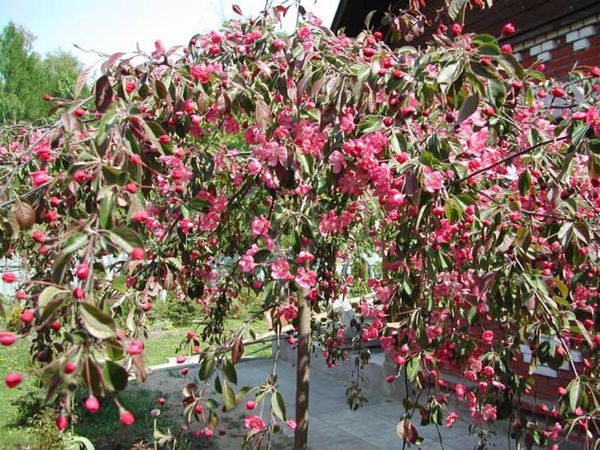
To beautify gardens and plots in a relatively short time, hybrid varieties have been developed. Rudolf is one of these. It grows quite tall, reaching 5 meters, with dense, fresh green foliage. Given the right conditions, it can bloom for up to a month, making it highly sought after for garden and plot design and decoration.
Its white flowers are gathered into beautiful umbels of inflorescences. After Rudolf finishes blooming, honey-yellow apples, about 3 cm in diameter, appear. Incidentally, they can be preserved and used as jam. The rich, dense foliage with yellow apples is a very attractive feature.
Planting and care
As a rule, these fruit trees are propagated by seeds.
One-year-old seedlings are planted in the ground in the fall or spring. Before planting, soak the root system in water for 1 hour.
It's important to ensure the roots don't dry out, as this will negatively impact the seedling's future development in your garden. Fertilizing is not recommended during the first year, but consistent, appropriate feeding is essential in subsequent years. Sunny or partially shaded locations are best.
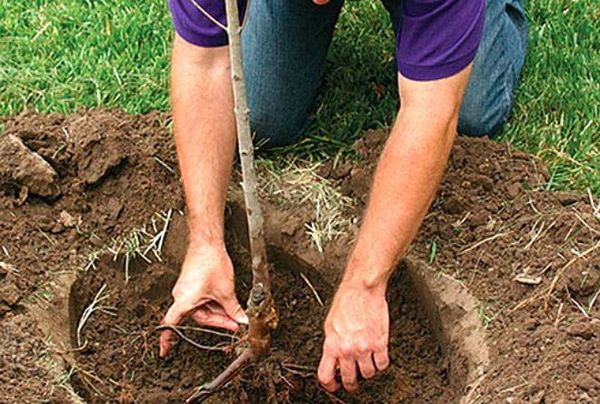
Choose well-drained soils rich in essential nutrients. Mulching with high-moor peat is beneficial. Alternatively, you can use nut shells, pine bark, or wood chips. These methods will help protect the soil from drying out. A mulch layer also makes weeding, loosening the soil, and watering easier.
These plants don't like pruning. Therefore, it should be done carefully, trimming branches that have dried out or frozen over the winter. This should be done in early spring. It's also necessary to remove and untangle branches growing deep into the crown, preventing them from becoming too dense.
To promote pollination, apple trees of a different variety are planted nearby. These trees thrive best in single-species garden plots. Pear trees are a good neighbor, as they have the best compatibility. They can also be planted next to cherries, sweet cherries, quince, plums, and raspberries. They do not get along well with apricots, peaches, walnuts, barberries, lilacs, and viburnums. The root systems of some neighboring trees can be depressing. Therefore, choose your planting site carefully.
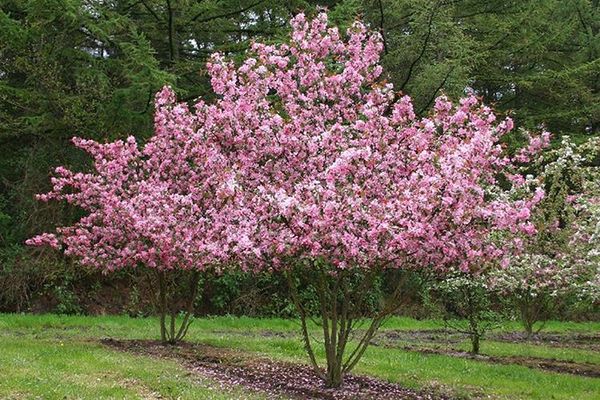
In the spring, it's essential to spray with insecticides. Avoid chemical pest control during the flowering and fruiting periods. Although the fruits of this variety are generally not eaten, they are eaten by birds. Birds are known to rid the garden of unwanted insect pests. Chemicals can harm the birds. Keep in mind that brightly colored apples may attract the attention of a child, who might pick and eat an insecticide-treated apple.
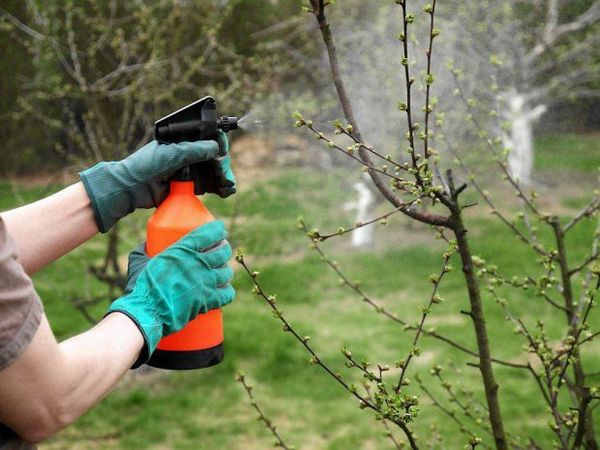
Unfortunately, these varieties are susceptible to diseases such as scab and powdery mildew. One of the most dangerous enemies is fire blight, caused by the bacteria Erwinia amylovora. It spreads quickly throughout the garden and is incurable. The secret to success is proper care and attention. Then your garden will be the most beautiful!
Video: "Overview of Ornamental Apple Trees"
This video will introduce you to the variety of ornamental apple trees and give you care tips.