
What to do and how to deal with moss on an apple tree
Content
Reason for appearance
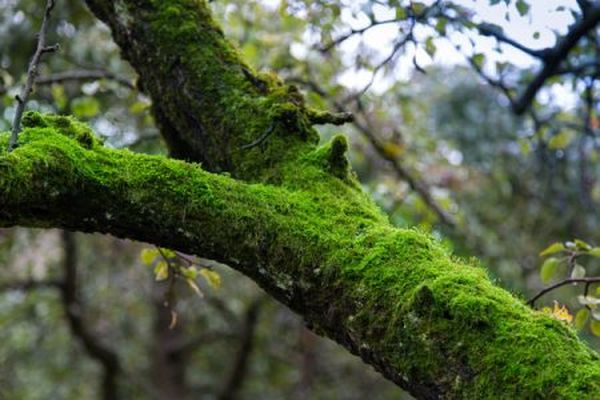
Moss can appear on apple tree trunks for various reasons. First, it grows on trees located in overly shaded areas of the orchard. Second, moss growth is often a result of high humidity. Third, moss can grow on apple trees due to the constant presence of water near the tree's roots. Sometimes moss or lichen on apple trees is the result of all three factors simultaneously. In this case, eliminating the cause is more difficult.
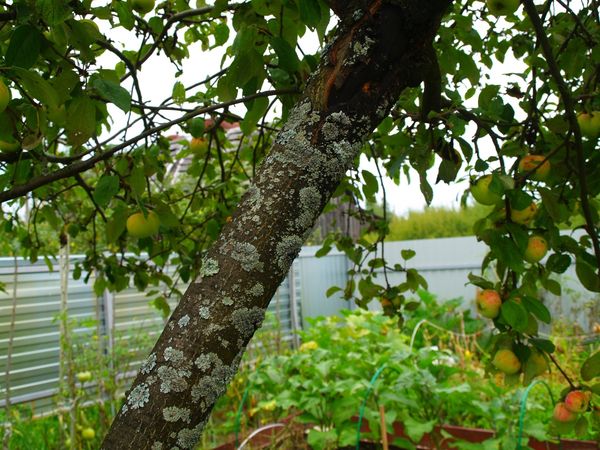
Lichens are a natural indicator of air purity. They can be recognized by their color: yellow, gray, or brown. The substances necessary for the growth of these organisms are absorbed from the air or dust. Therefore, moisture is essential for lichen development. Moss is more developed than lichen: although it lacks roots and flowers, it reproduces by spores. It usually grows on apple trees that grow in high-humidity conditions.
Consequences for the tree
Lichens and mosses do not destroy the plant. They do not attack the fruit or feed on the plant's sap. The body of a lichen can form primitive algae and fungi.
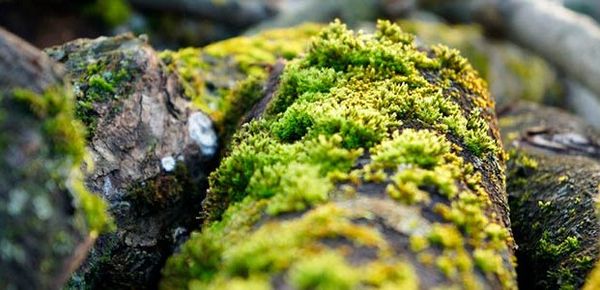
The algae photosynthesize, producing the sugars needed by the lichen. Trees provide the basis for the rootless plant. The main damage lichen causes is that it prevents the wood from exchanging air with the surrounding environment. As a result, the lichen creates a favorable environment for the proliferation of pathogens. Furthermore, the tree begins to experience a lack of light, moisture stagnates, and decay is activated. Furthermore, harmful insects can survive the winter under the lichen.
In warm weather, the moss covering apple trees may dry out. However, under unfavorable weather conditions, it reactivates its growth. It settles on the roots of plants where water stagnates. If the orchard is not properly maintained and apple tree pruning is neglected, the dense crown can accelerate the spread of lichen.
Methods of getting rid of
Simply removing trees infested with moss or lichen isn't the best solution. How can you combat moss or lichen to keep your apple tree trunk healthy? First, prepare the necessary tools: elastic gloves, a brush or scraper, a paintbrush, garden pitch, and copper sulfate.
How can I get rid of moss on an apple tree myself? You can remove growths on the trunks in two sequential steps. First, clean the plant and then treat it with special products. You can purchase a special tool for this procedure or the product for the treatment at specialized retailers. Wooden tools are usually used to remove the growths, as they don't penetrate deeply into the plant. Iron tools can cause apple tree disease and reduce its yield.
It's important to remove growths down to the healthy layer. Be especially careful when removing moss or lichen from the area between the trunk and skeletal branches. Before removing the growths, be sure to cover the soil beneath the plant with some kind of debris collection material. Burn the debris after removing the growths.
Moss has appeared on an apple tree in the garden: what should I do to avoid harming the plant? Before removing the growth, treat the tree with a 2% copper sulfate solution. Only after this preliminary treatment can I remove the lichen. Simply run a rough glove over the growth in damp weather, and the bark is clear.
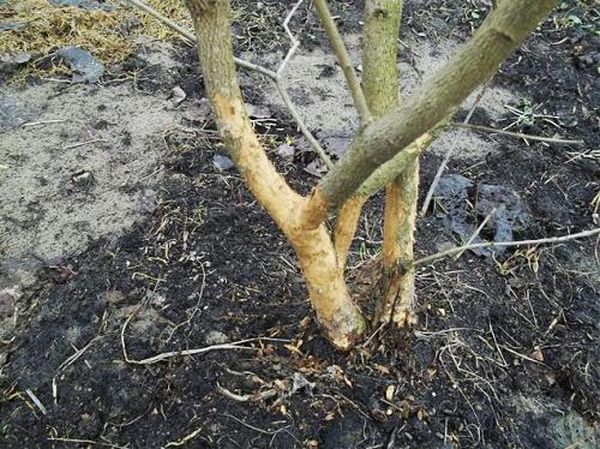
If the apple tree is heavily overgrown with moss, after removing it, treat it with a 0.5% copper sulfate solution. This solution can kill harmful microorganisms and insects.
However, it is far from harmless to the tree itself. Therefore, it should only be used in extreme cases. A dried wound on the tree is treated with garden pitch. While removing growths that resemble mold, it also prevents a number of diseases, such as scab, anthracnose, and rot.
Drainage and prevention
If your garden plot is overwatered due to prolonged rainfall or heavy precipitation, the soil needs drainage. This simple procedure will help prevent waterlogging and the formation of moss or lichen on fruit trees. You can build a drainage structure yourself, which can save you significant money. First, draw a diagram of the structure on paper to help you accurately calculate the required materials.
Next, dig trenches 1 meter deep and the width of the pipes. Compact the bottom, fill with clay, and then add a 0.03 meter layer of sand. After that, you can lay the pipes and connect them together. The completed collector is placed in a reservoir. This can be made from a regular barrel or a dug well. A pipe should be installed on the side to allow the water to flow freely.
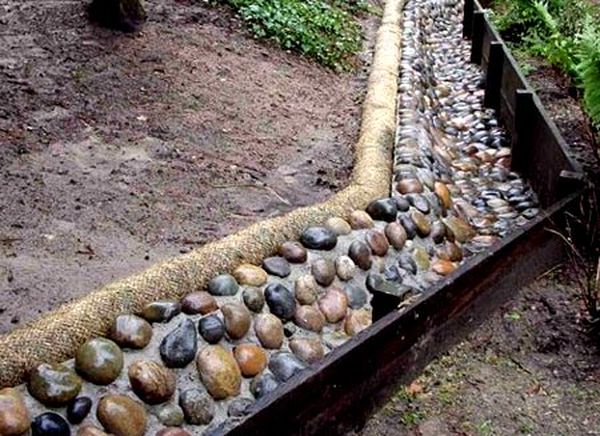
After this, the container should be placed in a hole whose depth is equal to its height. The bottom of the hole is filled with sand, and then covered with cement mortar. Allow the cement layer to dry before installing the barrel. The soil around the catch basin and trench is filled with crushed stone and then compacted. The water collected in the reservoir can be redirected to dry areas that desperately need it. Drainage ditches can be decorated with flowers or decorative garden paths.
Video "Moss and Lichens on Fruit Trees"
This video will show you how to combat moss and lichen on an apple tree.