
Description of the dwarf apple variety Bratchud
Content
Description of the variety
The Brat Chudnogo apple tree was developed in the Urals by crossing the Ural Winter and Vydubetsky Weeping varieties. Breeders aimed to create a compact variety that would also produce consistently and abundant fruit. And they achieved their goal. Due to its dwarfism, Brat Chud is sometimes grown for ornamental purposes.
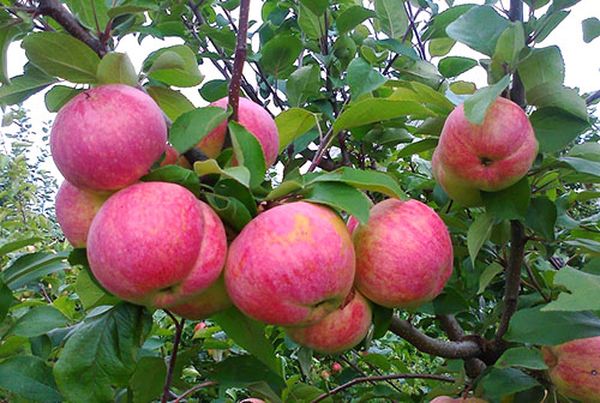
The description of Bratchud defines the culture as winter. Its harvest ripens in mid-autumn and can be stored for more than 4 months, while maintaining its taste and nutritional qualities. The fruits have a wide range of uses. They can be eaten fresh or used to make compotes, jams, and preserves.
Main characteristics
Bratchud is a dwarf variety with a flat, round crown. The maximum height of a single tree is approximately 2.7 meters, while on vegetatively propagated rootstocks, it reaches no more than 1.5–2 meters. The bark on the branches and trunk is dark brown. Fruit forms on the previous year's growth. Young shoots are greenish-brown and quite thin. The leaves on the trees are elongated and slightly pubescent.
The Bratchud apple tree produces medium-sized fruits with distinct ribbing and a seam on the side. The apple skin is glossy, yellow-green, and has a large blush. The flesh is white, not very juicy, and has a sweet and sour taste. These apples are rich in nutrients and beneficial micro- and macroelements.
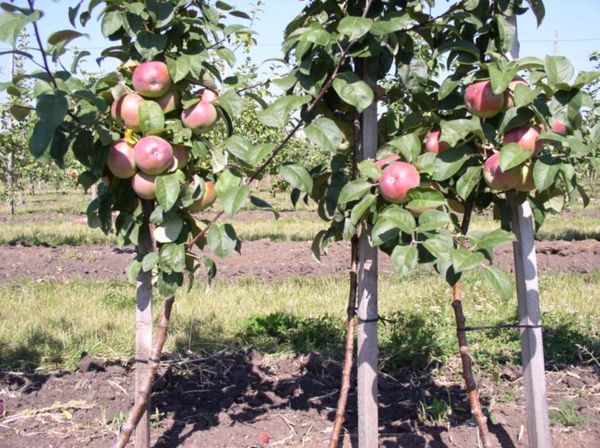
Bratchud apples have a medium ripening period, reaching peak maturity in late September. The fruit can be stored until late January or February, for a total of about 4-5 months. These apples are very transportable: they can be shipped over considerable distances without losing their flavor.
The Bratchud apple tree should be planted near other varieties, as it is not self-fertile. The following varieties are considered the best pollinators: Podsnezhnik, Sokolovskoye, and Chudnoye. The first apples appear on the trees a couple of years after grafting. The crop yields consistently high (over a hundred kilograms of fruit per tree). Bratchud has high frost resistance and moderate scab resistance.
The variety's greatest value lies in its natural, high-yielding dwarf nature. However, in extremely dry conditions, the quality of its fruit deteriorates.
Pros and cons
Numerous reviews from gardeners allow us to highlight the main advantages and disadvantages of Bratchud.
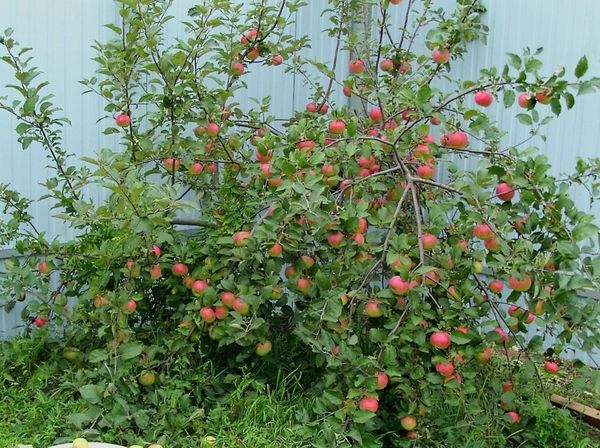
The apple tree's strengths include its natural dwarfism, consistent and high yields, and the pleasant flavor and attractive appearance of its fruit. Furthermore, breeders use this variety as a basis for developing natural varieties of low-growing apple trees.
The Brat Chudnogo variety has virtually no flaws. The only drawback is considered to be the poor quality of the fruit in summer droughts and excessively dry, hot air.
So, the Bratchud apple tree variety is a natural dwarf that nevertheless produces fruit vigorously. In addition to its high yield, the tree has a number of other advantages. These are the reasons why it is often grown commercially. Brat Chudny has virtually no drawbacks, so it's definitely worth considering.
Video: How to Care for Apple Tree Seedlings
This video will show you how to care for apple tree seedlings.