
Peculiarities of growing the Lithuanian-bred apple tree Auxis
Content
Description of the variety
The new variety was developed by specialists at the Lithuanian Research Institute of Fruit and Vegetable Growing, who crossed the Grafenstein Red and Mackintosh apple varieties. Auxis is rightfully considered demanding in terms of care, but this is compensated for by producing aromatic and delicious apples with high commercial quality. A description of the variety begins with a description of the tree. This cultivar reaches a height of 6 meters, averaging 4 meters. It has a rounded crown, fairly compact and moderately dense. Fruiting is of mixed type. Flowering is expected in the third ten days of May.
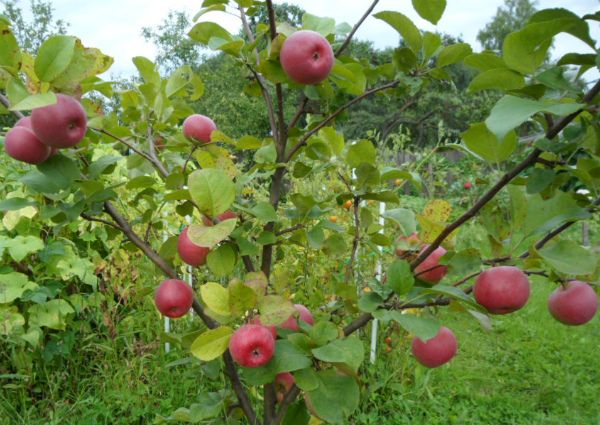
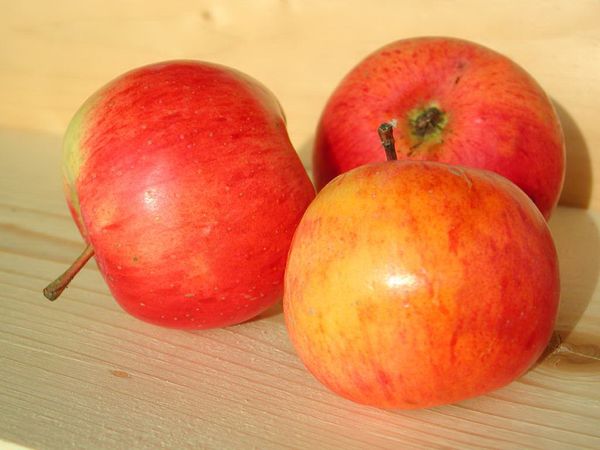
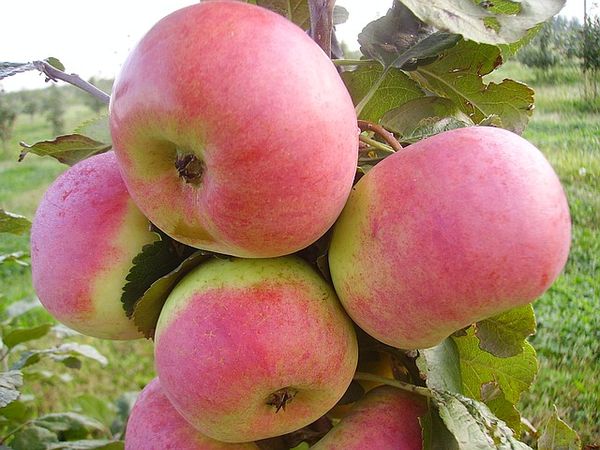
Such apple trees require cross-pollination with other varieties that have the same flowering period. The fruits can weigh on average 90–140 grams. Individual specimens weigh 150–180 grams. They are flattened-round or turnip-shaped. They are covered with a smooth, medium-thick skin with a waxy coating. Ripe apples are light yellow with a distinctive carmine-red blush on the surface. The flesh is yellow and firm.
The apples are juicy, aromatic, and have a pleasant sweet-and-sour dessert flavor. They ripen in September. If harvesting is delayed, they tend to fall off. They can be stored until January or February. Refrigerated, they retain their flavor until March.
Main characteristics
Beginning gardeners are always interested in the characteristics of a variety. As for the apple tree with the unusual name Auxis, the tree bears fruit at an average rate. The first fruit can be harvested 5-6 years after planting. The variety is rightfully considered high-yielding. However, yield may vary depending on care, such as pruning, fertilization, and so on. It bears fruit regularly and is highly winter-hardy. It thrives in the Moscow region, that is, in the central region of Russia, where winter hardiness is considered average. The variety also has moderate immunity to the dangerous disease scab.
Landing
Planting can be done in the spring, before the buds open. Fall planting is also possible, but be sure to allow at least two months before the first frost. Prepare the planting hole in the fall, or a month before if planting is planned for fall. The hole should be approximately 80 cm deep and up to 1 meter in diameter. Soil with normal acidity is required. The planting mix typically consists of fertile soil, organic matter, and mineral fertilizers. Humus, compost, ash, and superphosphate are all acceptable.
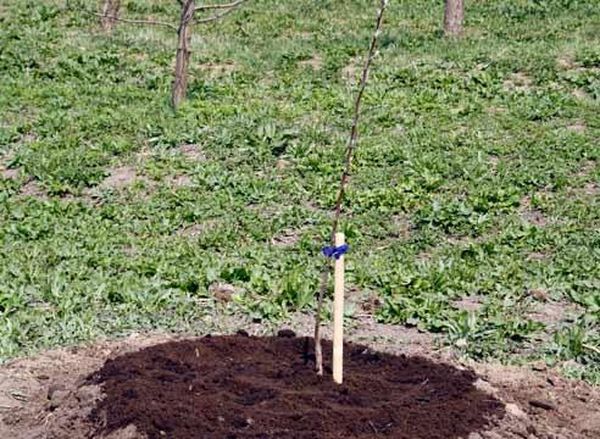
Between rows, it is necessary to leave up to 6 meters, and between crops in the same row - about 4 meters.
Care
No additional fertilizer is needed during the first year of cultivation. Loosening the soil around the trunk, removing weeds, and watering generously will be sufficient. It is recommended to water a young apple tree at a rate of one bucket of water for each year of the tree's life. Once the tree reaches one year of age, it should be watered three times: in early summer, during fruit ripening, and in late fall. Fertilizer should be applied in the fall during tilling, as well as in the spring.
In the fall, apply potassium, superphosphate, and compost. In the spring, the tree requires nitrogen. It is usually applied in two stages. Two-thirds of the fertilizer is applied in early spring, before the first buds open, and the remaining one-third after flowering has finished. During the first three years of cultivation, apply fertilizer to a depth of no more than 20 cm. Subsequently, apply to a depth of up to 45 cm. This variety also requires crown shaping. Rejuvenation pruning can increase the number of fruit buds.
Spring pruning (in March-April) can limit the growth of older branches. Proper pruning is an excellent preventative measure against diseases and pests. In the fall, whitewash tree trunks to protect them from rodents and insect attacks. When growing apple trees in harsh climates, they should be mulched for the winter. Mulching materials such as pine needles, dried leaves, humus, and compost are useful.
Reproduction
This apple tree is propagated by root cuttings or layering. The first method is quite simple. The grown seedlings can then be used for grafting or rootstock. Root preparation is usually done in the spring, before the sap begins to flow. Cuttings cut 18–22 cm long should be placed in a container filled with sand and kept in a cool place. To propagate by layering, the lower branches are bent down in the spring and secured with wire. Then, they are covered with soil and earthed up. When new plants with their own root systems emerge after the summer, they can be removed from the mother tree and planted in their permanent location.
Difficulties of growing
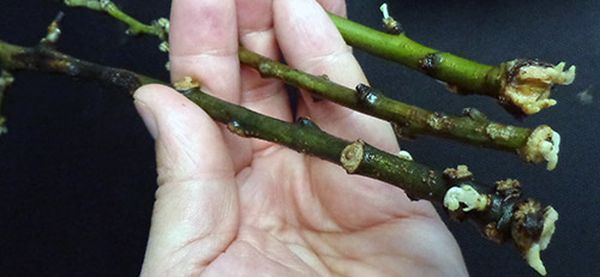
This variety is susceptible to scab, which is controlled with insecticides, powdery mildew (remove affected parts and spray the remaining parts with a lime-sulfur solution), fruit rot (no treatment), rust (can be controlled with fungicides), and sooty mold (treated with Bordeaux mixture and a copper-soap solution). Pests that affect this variety include fruit mites, apple weevils, hawthorn moths, codling moths, and leaf roller caterpillars. For prevention, it is recommended to spray trees with a urea solution and chemicals in the spring.
Video "Auksis Apple Tree"
This video will show you what an apple tree and the fruits of the Auxis variety look like.