
6 rules for building a greenhouse of any size and shape yourself
Content
Choosing the type of greenhouse
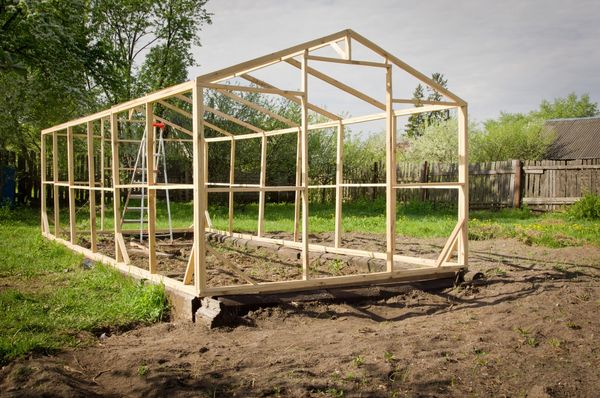
Designing and building a DIY greenhouse is a challenging undertaking. After all, everyone hopes during the construction phase that the greenhouse will last for many years. Therefore, it's important to decide on the greenhouse's design well in advance. Among the most common types of greenhouse structures, which you can implement without professional assistance, are the following:
- Arched. In this case, the frame of the room has a semicircular or arched shape;
- Pointed. This design is somewhat similar in appearance to the previous one, with one difference: the upper central corner of the roof has a pointed, lancet shape;
- Gable roof. The classic greenhouse is still the most popular choice among Russian gardeners. This type of greenhouse resembles a miniature house—its gable roof eliminates the need to worry about excessive snow pressure. Rest assured, moisture won't linger on the roof for long, so there's no danger from above.
- with sloping walls. The roof is essentially gable, but its walls are much more inclined to the sides;
- Single-pitched. This type of window frame construction is often an extension to a residential building or utility room;
- A-frame. This greenhouse structure is often called a "hut." It consists of a single continuous "roof," meaning there are no side walls;
- Mittlider greenhouse. This example is remarkable in that the roof slopes vary in size and appear to overlap;
- Recessed. This design is advantageous because it allows you to save significantly on heating costs. Its main part is located underground, where the temperature does not drop below 12°C even in the most severe frosts.
There are many suitable options for those gardeners who want their greenhouse to be not only practical and functional, but also aesthetically pleasing and even unique. You can make a greenhouse with your own hands in the shape of a dome or a triangular pyramid. Decide on the type of home greenhouse you want and feel free to implement your ideas.
Video: "DIY Smart Greenhouse"
This video will show you how to build a smart greenhouse at your dacha.
We calculate the size and make a drawing
How to build a greenhouse yourself requires a step-by-step approach. The first step is to create drawings indicating the dimensions of the future structure. This will significantly simplify the task of calculating the required materials, meaning you'll immediately know how much you'll need. You don't need to have the necessary skills to draw good drawings. However, you should have a rough plan.
Installation of the foundation
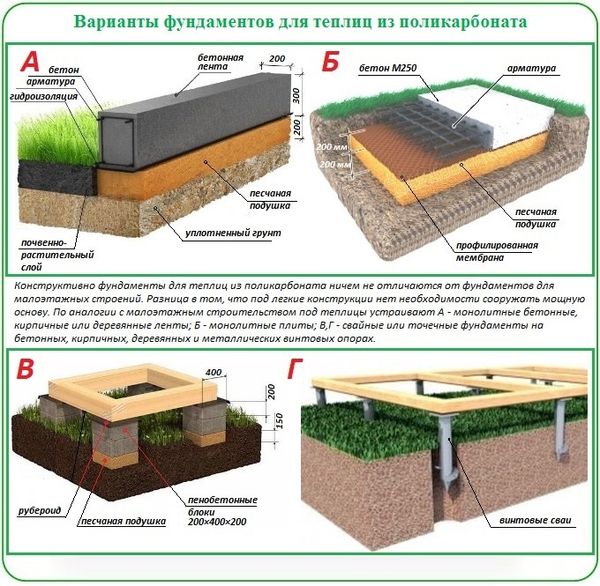
Even a beginner can plan and build a small greenhouse. The first thing you'll need to consider is the foundation. A strip foundation is generally preferred.
Selection of material
To build a greenhouse correctly, it's also important to select high-quality materials. The frame can be made of wood, metal profiles, or polypropylene or plastic pipes. As for the covering, glass, polycarbonate, or reinforced polyethylene film are most often used. Don't forget about fasteners, too.
Step-by-step instructions
On a pre-leveled site, nail together wooden beams and install them in the prepared pit with a layer of sand and crushed stone already laid. Be sure to thoroughly treat the wood with a preservative before installation. All joints are treated with roofing felt to strengthen the foundation.
Installation of the frame and roof
It's worth taking a detailed look at how to build a convenient greenhouse yourself. This way, you'll avoid any serious mistakes during construction, and the structure will be sufficiently strong and reliable. Once the foundation is in place, it's time to assemble the frame and install the roof.
Selection of material
While strip foundations are typically laid using wooden beams and a layer of crushed stone and sand to compact the soil, choosing materials for the frame and roof will require some effort.
Metal profiles are considered one of the most durable. However, PVC pipes are also often installed (keep in mind that if you have a spacious greenhouse, you'll need to consider adding weight).
The materials used for the roof base are the same as those used for constructing the frame.
Step-by-step instructions
A simple homemade greenhouse will last a long time if its frame is assembled correctly. To achieve this, strictly follow the instructions for joining the selected materials and secure them securely. This way, building the greenhouse according to the diagram will produce the desired result.
Sheathing and insulation
Every gardener needs to know how to build a small greenhouse on a budget. Once the frame is assembled, begin covering it and insulating the interior. To do this, it's important to pay attention to a few key points.
Selection of material
Even a simple construction project requires high-quality materials and a repair kit. Glass remains popular, but keep in mind that its weight makes it challenging to work with. Polycarbonate is affordable and practical in this regard. However, it does have its drawbacks. For example, it can become cloudy over time. If you choose the cheapest option—polyethylene film—opt for a reinforced product. This way, it will withstand the required loads.
Step-by-step instructions
Secure your chosen material using special fasteners. The film is stretched tightly. It's best to consult with a professional regarding polycarbonate installation.
Interior design
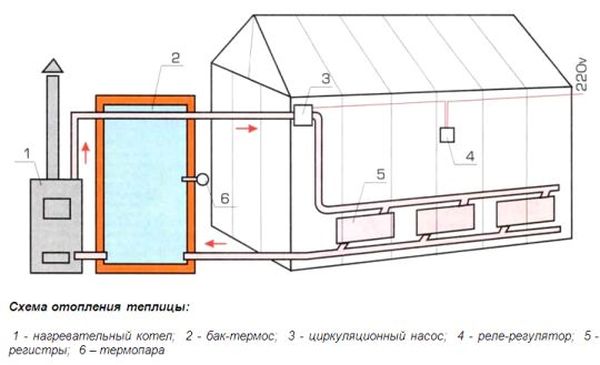
Once the frame and overall greenhouse setup are complete, it's time to lay out the beds and install artificial lighting. If you plan to grow vegetables even in winter, a heating system is essential. Build a greenhouse thoroughly to successfully grow any type of plant.