
An overview of the main types and independent construction of mini-greenhouses
Main varieties
To ensure your small homemade greenhouse serves you for many years to come, you need to carefully design it, choose the right structure, and purchase the tools and materials. The first step is choosing the type of structure. There are many different types available today, such as the Altax greenhouse or a PVC pipe greenhouse. By thoroughly studying their main advantages and disadvantages, you can install only the best greenhouse structures on your property.
With cells for seedlings
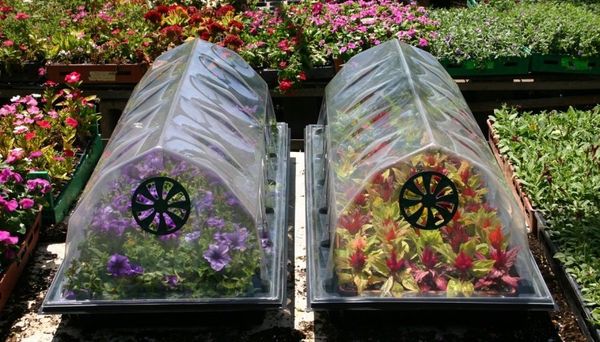
This small greenhouse is available ready-made. It's designed for germinating seedlings from seeds. It guarantees rooting of the seeds, which will soon sprout into the first shoots.
This greenhouse model includes several key components: a tray, a main compartment with seedling cells, and a transparent lid. The advantage of this home mini greenhouse is that it guarantees rapid germination of seeds. This design not only activates the seedlings and allows them to grow quickly, but also provides them with much better protection from pests and rot.
Don't forget to move such a small structure to a warm place and ventilate it from time to time in the future.
Made of wood and glass
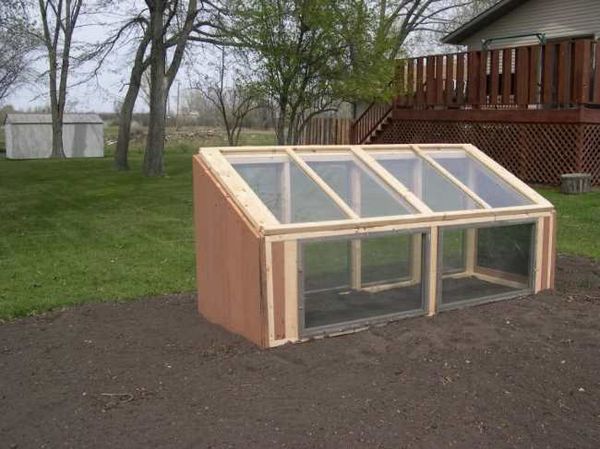
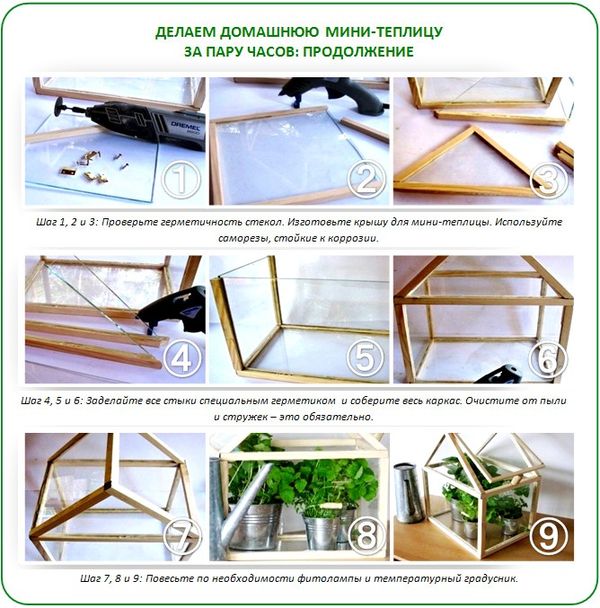
A seedling greenhouse made of wooden beams and glass is a classic option for Russian gardeners. You'll need to determine the size of the structure yourself. It all depends on what you plan to grow there—seeds, low-growing seedlings, or small houseplants.
The frame is made of ordinary wooden slats, and the cladding is done with glass.
Wall-mounted mini greenhouse
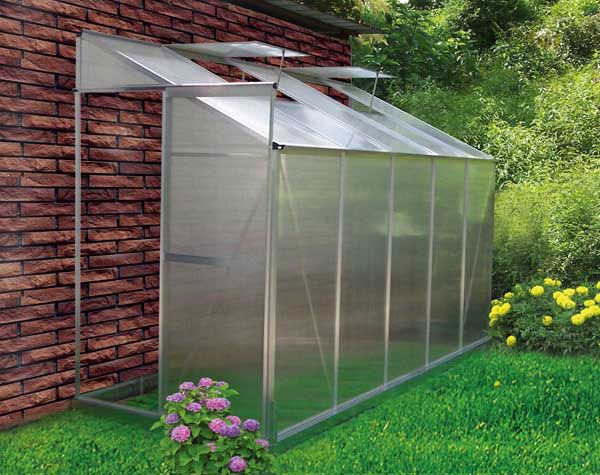
A mini greenhouse is often built as an extension to a utility building. Many European gardeners prefer to build such a structure directly next to a residential building. For this purpose, the extension is placed under the sunniest wall of the building. This solution offers a number of advantages:
- the area occupied by this greenhouse will be much smaller compared to what you would need to allocate for a separate structure;
- The presence of additional heating. During the day, the house wall heats up considerably and releases the heat at night. This means that the plants you plant in the wall-mounted greenhouse will not be damaged by sudden temperature changes.
- The building's main wall will also be heated by the heating system installed within the building itself. This means you can extend the growing season of your plants even after the first autumn frosts.
- Since one wall of the greenhouse is structural, it doesn't need to be glazed. This will reduce heat loss in this miniature building;
- By planting flowering plants here and creating various flower arrangements, you will decorate your home with this glazed island.
Building a greenhouse near the wall of a house is a common option for European gardeners.
Portable convertible
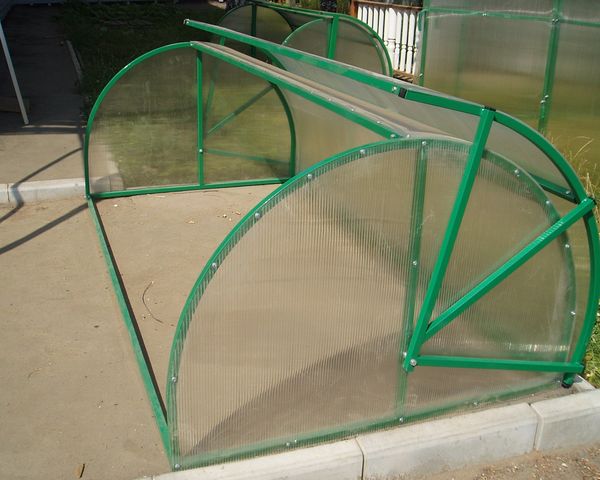
This DIY mini greenhouse is the perfect choice if you plan to harden off seedlings for future planting outdoors. You can build it using a regular box, which doesn't even need to be covered with mesh (provided your flowers and other crops are wind-resistant).
Among the key advantages of this structure are the good illumination of the greenery, as well as easy access to it.
With lifting lid
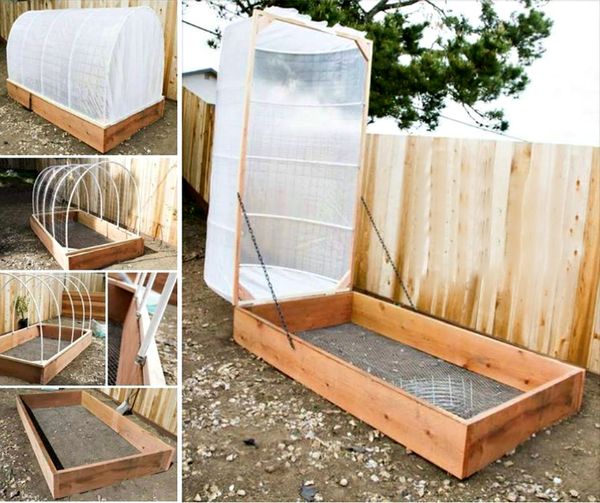
A mini greenhouse for growing seedlings can be designed with a lifting roof. You don't need to spend money on expensive materials to create this structure. Assembling a wooden frame and covering the top with a glass window frame is easy. To avoid having to cut the chosen covering, it's best to create plans based on the dimensions of the window frame itself.
From PVC pipes for seedlings
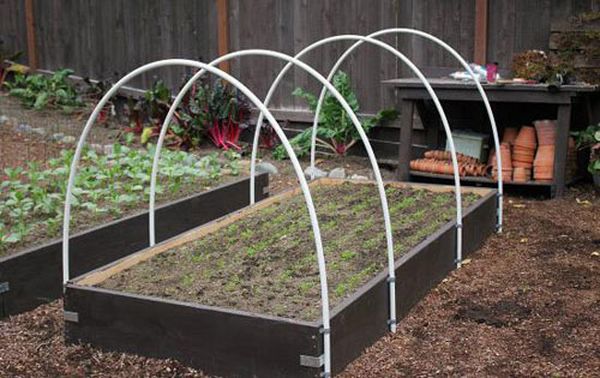
You can also build a greenhouse for indoor seedlings yourself if you plan to grow vegetables directly in the garden but understand that covering the greenery is essential. Use polypropylene pipes for the frame—they're quite durable and inexpensive. You can cover it with regular plastic film.
Small-sized capital greenhouses
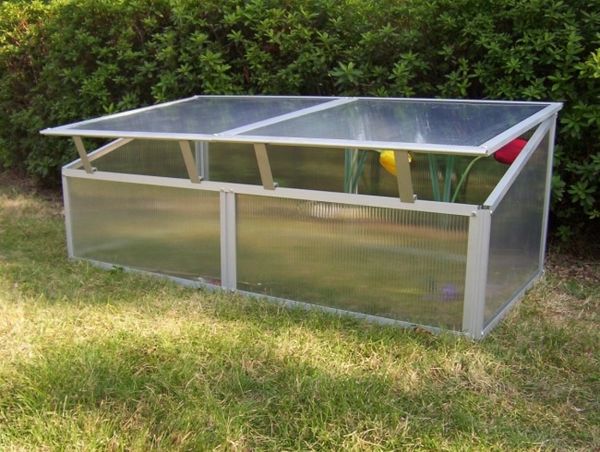
Building a mini-greenhouse from polycarbonate is somewhat more challenging than setting up a small greenhouse using readily available materials. However, if you carefully draw up the plans, select the right tools, and then implement your plan step by step, you'll be pleased with the result. Let's take a look at what exactly is involved in constructing a greenhouse.
Video: "Making a Mini Greenhouse Yourself"
This video will show you how to make a mini greenhouse yourself.
Preparation and construction
While a microgreenhouse with a cover is more suited for germinating seeds, a small greenhouse made of durable polycarbonate is the ideal environment for growing vegetables and herbs. The key is to carefully prepare the construction of this space and ensure it is sufficiently robust.
Selection of material
Typically, such greenhouses are built from wooden beams, metal profiles, or polypropylene pipes. If you're planning a compact structure, the sturdiness of the frame isn't as important. Polypropylene is perfectly suitable. The covering can be glass, polycarbonate, or film.
Dimensions and drawings
Building a small greenhouse at your dacha isn't difficult. Determine the optimal dimensions, then plan the space and create drawings. Having a project plan is essential. It will help you calculate the required materials and avoid wasting money.
Step-by-step instructions
Once the plan and drawings are prepared, and your arsenal of tools and materials is complete, it's time to begin building the greenhouse:
- The foundation is being considered. A strip foundation is considered the most suitable for a small greenhouse;
- the frame is being assembled;
- The structure is covered with glass, polycarbonate or film by hand.
Finally, the resulting miniature building for growing vegetables and herbs needs to be equipped with lighting from the inside.
Install heating elements if desired. Don't forget about the need to lay out the soil beds. Take care of your seedlings – think through your design carefully.