
How to Build a Heated Greenhouse for Year-Round Use
Content
Are there year-round greenhouses?
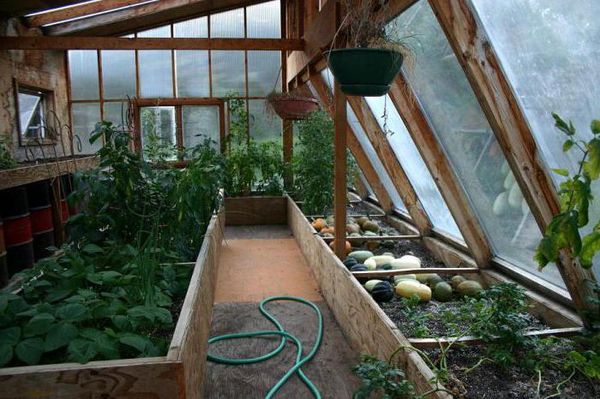
An all-season greenhouse will solve your problems with fresh vegetables, delicate ornamental plants, and greenery. However, many beginning gardeners doubt whether this project is even feasible at home. While a few decades ago, such a task seemed impossible due to the complexities of installing heating and irrigation systems, today it's feasible.
A year-round greenhouse is a reality for many Russian gardeners, as it allows them to grow various crops even in severe frosts. Today, there are many different materials suitable for covering your year-round greenhouse. These include glass, polycarbonate, and even polyethylene film (it's best to choose reinforced plastic, as it's much more durable).
Many domestic gardeners buy exclusively polycarbonate, which is less expensive than glass and much easier to work with. Moreover, with a polycarbonate covering for your home greenhouse, you won't have to worry about the roof collapsing during snowfalls.
A year-round greenhouse can also be built as a semi-underground structure. This has many advantages. For example, you can easily maintain an optimal microclimate, as the temperature does not drop below +6…+9°C even during the most severe frosts. However, constructing such a greenhouse structure is not as easy as it might seem at first glance.
Whatever option you prefer, growing plants year-round is entirely possible if you carefully consider the selection and construction of your greenhouse structure.
Video: "Advantages of Heated Greenhouses"
This video will tell you about the benefits of heated greenhouses and what can be grown in them.
Advantages and disadvantages
A year-round greenhouse with heating and lighting offers a number of advantages. Its use will provide you with a wealth of vitamins even during adverse weather conditions. With artificial lighting, plants will receive sufficient light during the short winter days. If you want to work in a greenhouse year-round, heating is essential.
Year-round greenhouses can be built using a variety of materials. Polycarbonate is quite popular. With proper installation, it will last for decades. However, a classic design with glass and a wood frame remains popular.
The only drawbacks to such structures are the labor-intensive construction and the need for regular monitoring of the greenery's growth. However, it's all worth it, as the harvested vegetables can be not only eaten but also sold.
How to build
You can build a year-round greenhouse yourself. To do so, you should follow key expert recommendations. First, decide on the materials you plan to use. Then, create the plans. Having a plan will allow you to construct a high-quality and durable structure.
Foundation and frame
The greenhouse construction process begins with pouring the foundation. Gardeners typically prefer a strip foundation. To do this, trenches are dug around the perimeter of the selected site and filled with a layer of crushed stone and sand. Next, wooden beams are laid and concrete is poured. Make sure to also install a waterproofing layer.
As for the frame, it can be made of wood or metal profiles. These materials are most often used for building the foundation for a year-round indoor greenhouse. If you use wooden posts, be sure to treat them with an antiseptic to protect them from moisture and mold.
Sheathing and insulation
Once you've built the frame yourself and installed it on the strip foundation, you can begin cladding it. To ensure the greenhouse structure withstands frost and maintains an optimal microclimate for growing plants, consider installing polycarbonate sheets in two layers. Metal profiles will be positioned between them. This approach will solve the problem of heat loss. If desired, cover the interior walls up to 1 meter high with foil-clad thermal insulation film.
Ventilation and heating
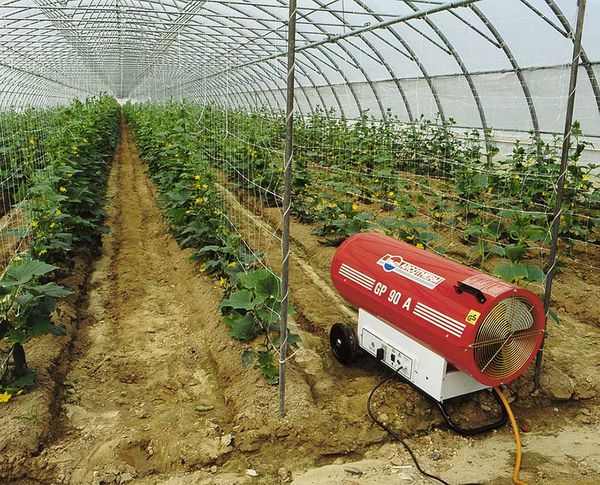
It's crucial to ensure proper ventilation and heating systems are in place. This is essential because it will allow you to regulate the temperature in the greenhouse. It's a good idea to consider installing vents while laying the polycarbonate sheets. Also, consider connecting the heating system to the building. This way, you can protect your plants from freezing temperatures when needed.
Development
Once your greenhouse is fully or partially self-sufficient, you'll need to install lighting. Place a water container near the greenhouse, as this is where moisture will be supplied to your beds. Also, consider the layout of the beds themselves.
Care and operation
Knowing how to heat a greenhouse and turn it into the optimal environment for successfully growing vegetables and herbs will help you achieve excellent results and reap bountiful harvests. Maintaining a greenhouse isn't difficult; the key is to keep the building's heating, ventilation, and lighting systems in good working order. Then, using the greenhouse year-round won't be a problem.