
How to Design and Build a Warm Glass Greenhouse
Content
Advantages and disadvantages of glass greenhouses
It would seem that glass greenhouses would gradually, as they say, "fade into oblivion," as far less fragile yet durable materials have emerged. Meanwhile, glass remains popular. And it's not just because many gardeners hold conservative views. Glass greenhouses provide an optimal microclimate for growing herbs and vegetables. Moreover, the material's advantages don't end there.
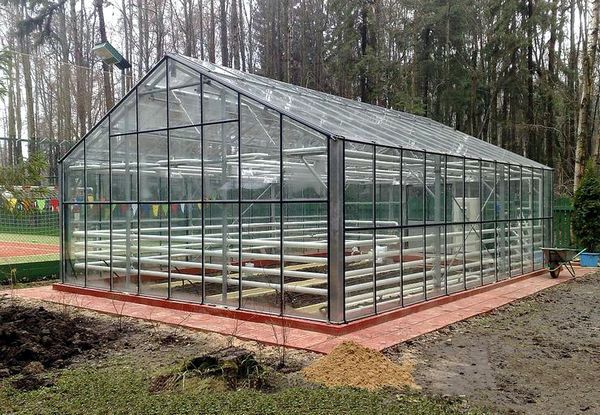
Among its undeniable advantages, the following nuances are also worth highlighting:
- Glass is transparent and has good light transmittance. This means you can fully enjoy natural light for your greenery.
- If polycarbonate becomes cloudy and loses its transparency over time, this will not happen with glass material;
- When growing herbs and vegetables, you can't avoid using chemicals (pesticides, acids, fertilizers, etc.). Glass is impervious to such compounds;
- corrosion, rotting, degradation from an abundance of sunlight - all this will not happen to glass, so it is not for nothing that it is considered a durable material;
- the cost-effectiveness of the design is guaranteed, especially if you are installing old glass windows or doors;
- A high-quality glass greenhouse attracts many gardeners due to its aesthetic appeal.
Glazing your greenhouse is a good solution. But to weigh the pros and cons, be sure to also consider the key disadvantages of the covering. These primarily include its fragility. Heavy hail or accidental mechanical damage can damage the material. If desired, install tempered glass, but keep in mind that the cost of the greenhouse will increase significantly in this case. Do not forget that it is difficult to work with due to the large weight of the material.
Video "Glass Greenhouse"
This video will show you how to build a glass greenhouse yourself.
How to design a greenhouse
To ensure a beautiful glass greenhouse lasts a long time, you first need to decide on the design that's right for you. Those who prefer classic forms should consider a gable greenhouse. This structure resembles a miniature house, and its distinctive feature is that snow and moisture won't accumulate on the roof. If you're building a greenhouse as an extension to a residential building, you might prefer a single-pitched greenhouse.
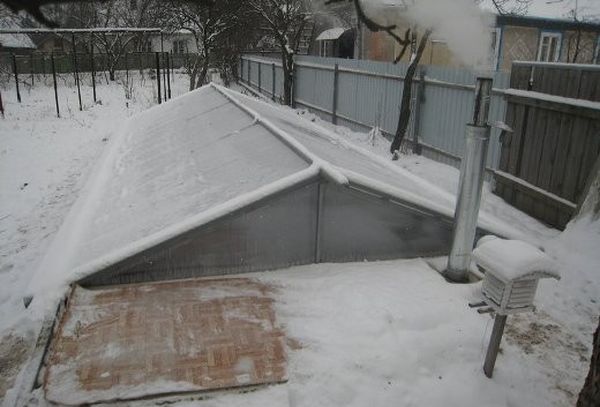
However, in this case, place it on the south side to ensure the plant receives sufficient sunlight. A thermos greenhouse is quite popular. This design involves placing the main part of the greenhouse below ground level. In other words, the greenhouse is dug into the ground. This will reduce the need to maintain a consistently high temperature.
Best materials
Building a successful greenhouse requires purchasing high-quality materials and planning carefully. If you've already decided to use glass for the greenhouse roof, now's the time to choose the frame materials. Wood is no longer considered the best option, as it requires special antiseptic treatment and is more susceptible to corrosion from moisture and pest infestations. You can opt for metal profiles or galvanized corrugated pipes.
Step-by-step instructions
The best glass greenhouses can be built with your own hands. Review the detailed steps for constructing a glass greenhouse and follow all recommendations carefully. This way, you can count on a durable and practical structure.
Foundation and basement
A greenhouse constructed of glass and aluminum profiles must have a sturdy foundation. When installing a small greenhouse, a strip foundation 70–80 cm deep is recommended. Consider the groundwater level: in the spring, the greenhouse foundation may freeze and deform when exposed to moisture. To avoid this, lay a layer of sand and gravel under the foundation and consider a drainage system.
Installing the frame
You can build a greenhouse from aluminum profiles if you have a foundation. The frame itself should be assembled by laying the bottom frame and installing the fasteners. Then, attach the vertical posts, which are secured at the corners. All that remains is to build the roof and cover the structure with glass.
Roof construction
Typically, the same materials used for the roofing are used for the frame. A greenhouse made of plexiglass and aluminum, for example, will have the same roof. It can be assembled on the ground, allowing the finished structure to be placed on the top frame and the ridge beam to be installed.
Glazing
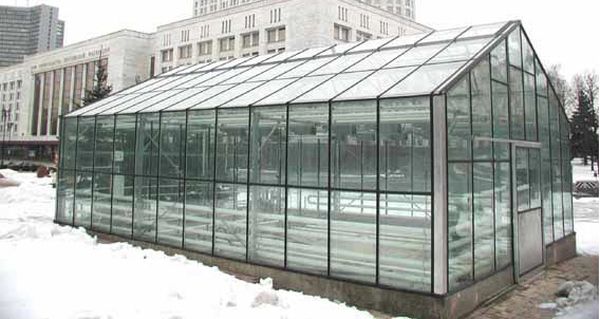
It is necessary to cover the aluminum frame with glass very carefully, sealing all joints with sealant.
Gardeners building a greenhouse for the first time may have difficulty installing the glass. To ensure all joints are tight, it's recommended to place special silicone gaskets along the edges. This will prevent the material from rattling and drafts from ruining the microclimate in your greenhouse. Building a beautiful and functional greenhouse is easy: follow these basic guidelines, create a detailed drawing, and start making your dream a reality.