
A warm homemade greenhouse made from polypropylene pipes
Content
Is it worth building a greenhouse from polymer materials?
A DIY greenhouse made from polypropylene pipes is a good solution for a gardener. This material is primarily used for utility lines, but it can also be used as a greenhouse frame.
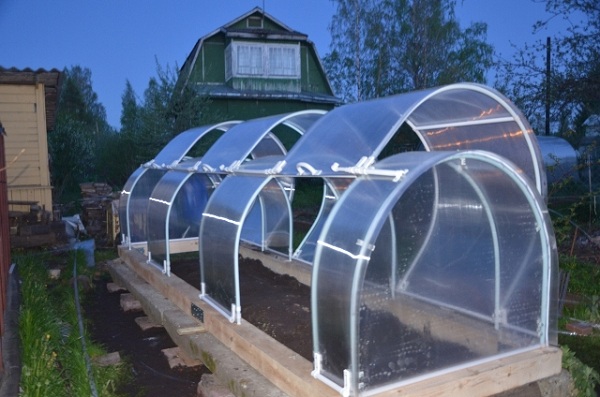
Polypropylene differs from plastic in several characteristics and has the following advantages:
- the polypropylene frame is capable of withstanding various mechanical loads, and it is not overly sensitive to temperature changes;
- The individual parts must be joined together using welding. This way, you can create a variety of designs and configurations for your greenhouse;
- a structure made of HDPE pipes will last a long time, and you won’t have to spend much on it;
- In operation, this material is not only reliable, but also simple;
- Unlike wooden beams and other frame parts, polypropylene pipes do not need to be treated with antiseptics or painted.
A greenhouse constructed from polypropylene pipes is a simple and practical structure. However, before you begin constructing your greenhouse, keep in mind that the frame will be very lightweight. If you want to build a spacious greenhouse, you'll either need a different frame material or additional weight or support for the structure. Remember that without reliable supports, the greenhouse can be susceptible to damage from adverse weather conditions.
Video: Greenhouse Made from Polypropylene Pipes
This video will show you how to build a greenhouse from polypropylene pipes yourself.
Shape and size
A greenhouse made of plastic pipes or polypropylene will last a long time if you approach its construction wisely. First, you need to decide on the desired design. Among the most popular types of greenhouses built with a polypropylene frame, the arched greenhouse stands out. If desired, you can create a gable-roof greenhouse—this will prevent moisture from accumulating on the roof.
Once you've decided on the shape of your future greenhouse, it's time to consider its optimal dimensions. Consider that such a structure should have a reliable roof, several vents for adequate ventilation, and a door. To quickly implement your project and use polypropylene, it's best to choose the following dimensions: height – 2 m, width – 2.5 m, length – 4 m.
Materials and tools
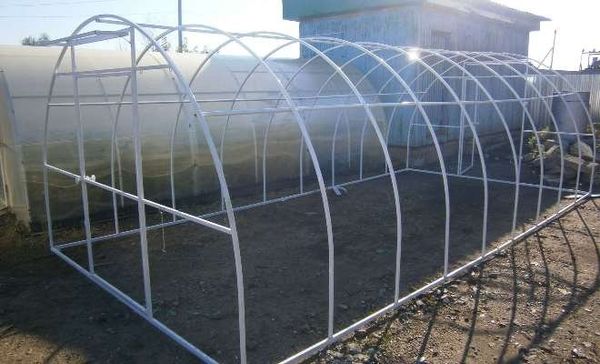
Building a homemade greenhouse is easy if you use high-quality materials and have the necessary tools on hand. First, you'll need to purchase PP pipes. It's best to choose a material designed for hot water supply—this will ensure the polypropylene won't suffer from temperature fluctuations.
You should also consider purchasing materials for covering the greenhouse. This can be polyethylene film or polycarbonate. If you prefer a film roof, buy reinforced material; it will be much more durable. You will also need thin slats, steel wire, rebar, and screws and nails.
Step-by-step instructions
Building a DIY PVC pipe greenhouse requires a step-by-step approach—only then can you count on its reliability. Learn the basics of greenhouse construction, understand all the necessary details, and then begin implementing your plan. Make your PVC pipe greenhouse practical and easy to use.
Selecting a location and installing the foundation
It's recommended to build the greenhouse in a well-lit and ventilated area. It's also a good idea to choose a location in your garden that won't accumulate excessive snow during the winter. Try to level the area where you plan to install the foundation as much as possible. This will ensure the structure is stable.
The first stage of greenhouse construction is pouring the foundation. A strip foundation is best. To do this, mark the area, then dig a small trench if desired, fill it with a layer of sand and crushed stone, along with roofing felt, and compact it. Next, lay wooden beams in the trench, pre-treating them with an antiseptic. It is recommended to seal all joints and edges of the foundation with the same roofing felt for high-quality waterproofing.
How to assemble the frame
The frame, made of plastic or polypropylene, must be assembled on the ground and then installed in its finished form directly on the foundation.
First, the gables are joined, then the doors. Afterward, they will need to be attached to the main arch. Reinforcing rods are driven into the sides of the future greenhouse, onto which the PVC pipes are then threaded. All joints are carefully secured.
Sheathing and insulation
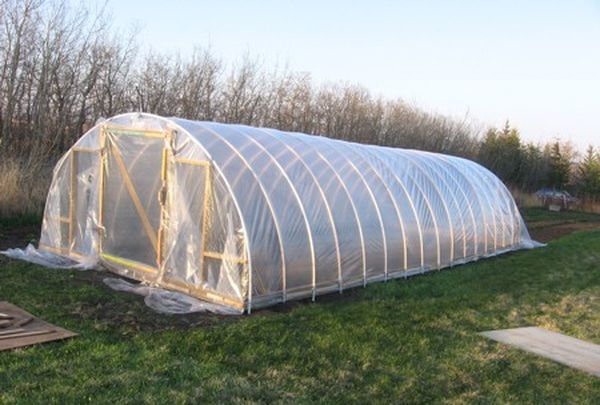
A DIY greenhouse made from PVC pipes is most often covered with plastic sheeting. This is typically applied taut or secured with special clamps (made of plastic or rubber). Your key task is to securely attach the sheeting to the structural elements of the frame. Only then will the structure be strong and insulated.
Interior design
Once your plan is complete and the greenhouse is ready for use, it's time to begin its interior design. You'll need to consider the proper placement of the beds and install an irrigation system. Optionally, you can equip the greenhouse with artificial lighting. Building a greenhouse yourself isn't difficult—the key is to choose high-quality materials and understand the proper joining techniques.