
A green corner in the apartment or a small home greenhouse
Content
Main varieties
Building a greenhouse in your apartment isn't particularly difficult. However, much depends on the type of greenhouse you choose. There are many available today, so the advantages of each miniature greenhouse should be carefully considered.
Classical
An indoor greenhouse can have a classic design. Essentially, such a structure is a scaled-down version of a regular greenhouse with a gable roof. Therefore, it is built using a similar principle. First, you need to assemble the frame, and then cover it with high-quality material with excellent light transmission and thermal insulation properties.
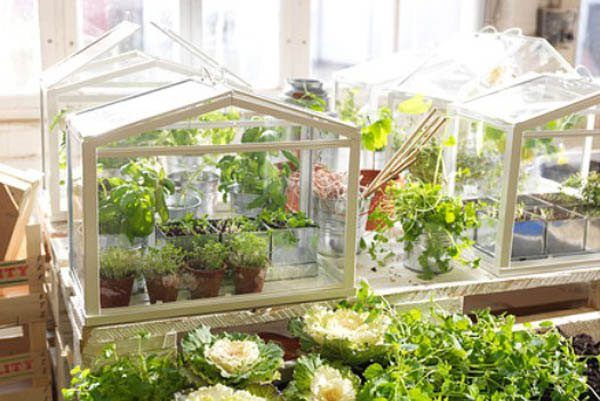
Decide on the main materials. When constructing a frame, metal and plastic pipes, wooden beams, or old window frames are most often used. As for the covering, glass, film, and synthetic mesh are often used at home. In some cases, gardeners even use scraps from plastic bottles.
Remember: when it comes to building a greenhouse on a private plot, the frame must be made strong, as it will have to withstand heavy snow loads, winds, and other adverse weather conditions. Gardeners looking to set up a greenhouse on their own balcony can opt for wooden window frames. All you need to do is draw up the plans and then begin constructing the frame.
Greenhouse cabinet
A small greenhouse built at home is the perfect solution for many, as it allows for efficient use of limited space. A greenhouse is essentially a small cabinet or shelf consisting of several tiers. This type of greenhouse is significantly more practical than tabletop options if your goal is to fill it with as many plants as possible.
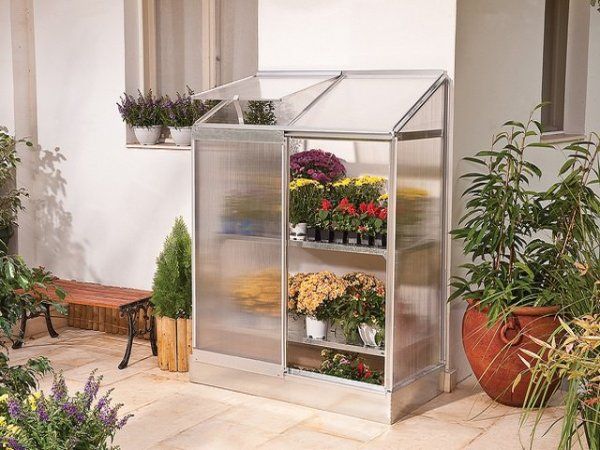
Another important advantage of this greenhouse is its glass door. This means it can be safely placed in the brightest and most well-lit area of your home, as it also serves an aesthetic purpose. If you want your mini greenhouse to complement your home or apartment, a plant cabinet is the perfect solution.
Growbox
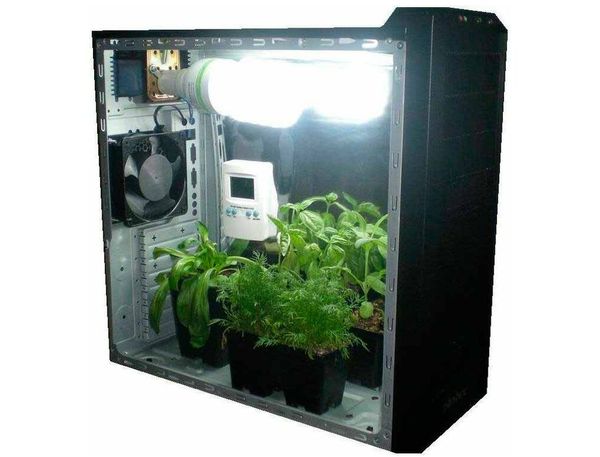
A growbox greenhouse in an apartment is a much more difficult design to implement. This is because this structure is automated. Besides maintaining the right temperature for your plants, using such a greenhouse eliminates the need for watering and ventilation. All these processes are coordinated within the growbox. This greenhouse has a reflective surface and is also equipped with a ventilation and lighting system. The settings can be customized based on the characteristics of the plants you plan to grow there.
Thermal box
For many, a greenhouse on a balcony or windowsill is considered the stuff of fantasy. However, the key is actually purchasing or building a suitable structure. Gardeners who don't want to devote all their free time to growing herbs should consider purchasing a greenhouse. This is an enclosed mini-room that maintains an optimal microclimate without any intervention.
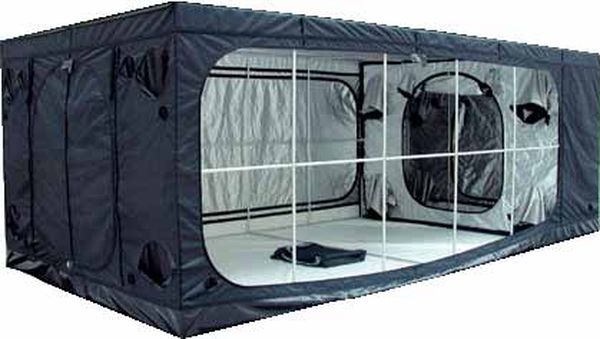
It features a special automatic system that constantly regulates the water and mineral levels in the soil, as well as the lighting and humidity levels. All you need to do is purchase the seeds and then simply root them in the substrate. The rest is a matter of technology—your thermal box.
Aeroponic greenhouses
An indoor greenhouse using an aeroponic system is another popular design among Russian gardeners. While plants in thermoboxes or grow boxes are rooted in soil, an aeroponic greenhouse has no substrate as such. The rhizomes are exposed to the open air and simply hang down.
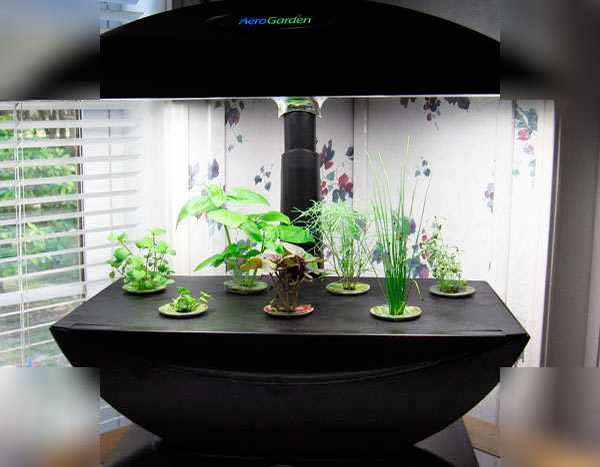
This device works like this: a nutrient solution is regularly sprayed onto the root shoots, which they absorb along with oxygen. The intensity of greenery growth in aeroponics is quite high. This is why you'll harvest several organic crops throughout the year.
Video: "Apartment Greenhouse Review"
This video will show you how an apartment greenhouse works and where to place it.
How to make it yourself
A homemade greenhouse built in your apartment will serve you for many years if you approach its construction carefully. Even a novice can build a greenhouse structure. The key is to follow expert advice and proceed step by step to implement your plan.
Selection of materials and tools
Building a greenhouse begins with selecting or acquiring the necessary tools and materials. This structure is often constructed using readily available materials. However, you can also purchase all the necessary components at specialized stores. Once you have all the necessary tools, you can draw up the plans and begin assembling a sturdy frame.
Step-by-step instructions
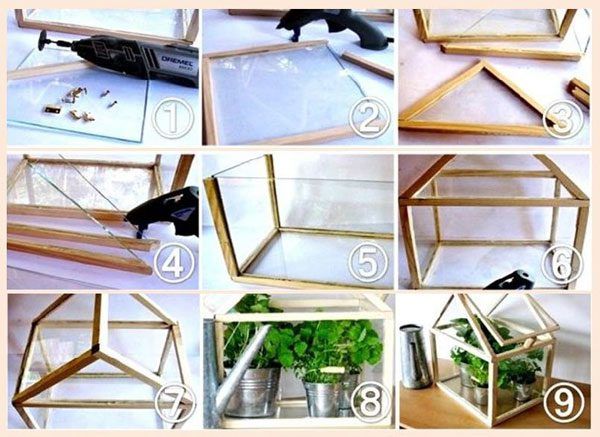
A home-made tabletop greenhouse or other structure can be built in a matter of hours. Decide on the type of greenhouse you want, then draw a diagram on paper. Next, assemble all the frame components and the roof, if applicable. Finally, cover the miniature structure with plastic film, scraps of plastic bottles, or regular glass.
Development
A DIY greenhouse with lighting must be equipped with everything necessary inside. The interior of such a structure will vary depending on the type of greenhouse. In any case, artificial lighting and ventilation are essential.
Operation and maintenance
It's crucial to use a greenhouse or balcony greenhouse wisely for growing plants. If the system is self-contained, you won't have to frequently intervene. However, if you own a classic mini-greenhouse, you'll need to monitor the plant's growth rate much more frequently.
Monitor the temperature and keep the substrate moist. Don't forget to fertilize the soil with nutrient-rich mineral mixtures from time to time. Ventilation is another key factor when cultivating flowers and greenery.
Follow the basic recommendations of experts, and you can create a real flower garden or mini-vegetable garden on your balcony or windowsill. The key is to study the necessary theory in advance and choose the right type of greenhouse for your home in terms of size and functionality.