
A detailed step-by-step guide to making warm garden beds yourself.
Content
Pros and cons of warm beds
Building warm garden beds yourself this spring doesn't require a large investment. However, before you get started, it's important to weigh the pros and cons.
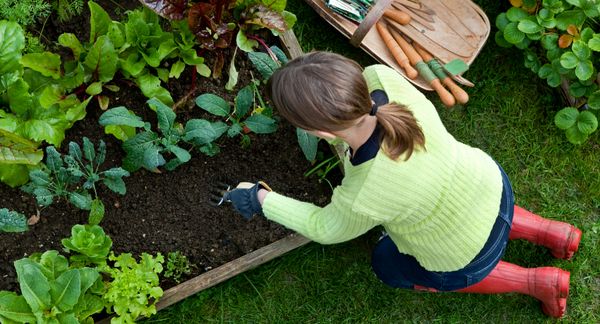
Benefits of warm garden beds:
- an excellent option for cold areas (when heated, the soil warms up earlier);
- protects roots from groundwater;
- serves for five years;
- reduces water and energy costs for irrigation;
- as organic matter decomposes, it provides additional heat;
- no need for compost heaps, everything goes to good use;
- the possibility of installation both in open ground and in a greenhouse;
- after precipitation the harvest is clean;
- does not take up large areas;
- It is convenient to care for plants.
Heated beds are great, but plants also require adequate sunlight. Polycarbonate greenhouses are ideal for this purpose, as they provide excellent diffusing properties, without the risk of plants on one side receiving less light.
Unfortunately, homemade warm beds also have their drawbacks:
- they will have to be watered frequently;
- the compost layer will take a long time to settle, and the young roots, not having time to grow, will be damaged;
- They provide a convenient shelter for rodents during the winter.
But despite the disadvantages, the advantages outweigh the negative impact, especially since there are ways to reduce the negative impact. To combat rodents, you can lay netting. To avoid damaging the plants, make the beds in the fall (the soil will settle over the winter).
Video: "Warm Garden Beds with Your Own Hands"
This video will show you how to make your own warm garden beds.
Types of warm beds
Warm beds are divided into temporary and permanent. The latter are further subdivided into sunken, above-ground, and enclosed. Temporary warm beds are used by gardeners for growing seedlings. Permanent ones sometimes resemble greenhouses and can last for a long time (up to 8 years).
Design options and step-by-step instructions
Tall
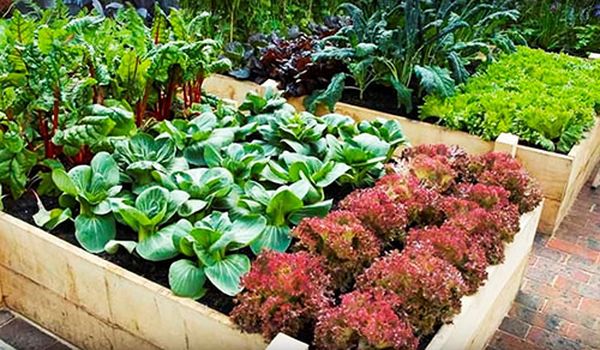
If there's a risk of high groundwater levels, the beds are raised above the ground. This is done using wood and slate to frame the bed. This bed is oriented east to west and is 50 to 80 cm high. Step-by-step instructions:
- Stumps, branches, and anything that takes a long time to decompose are placed at the bottom.
- They water with urea.
- The next layer is corn, sunflower, small bushes, leaves, straw.
- Next, you need to lay it in layers: rotted manure, turf, mature compost.
- The seeds are sown on top.
The air remaining in the space between large organic matter improves air circulation and heat exchange.
Trench
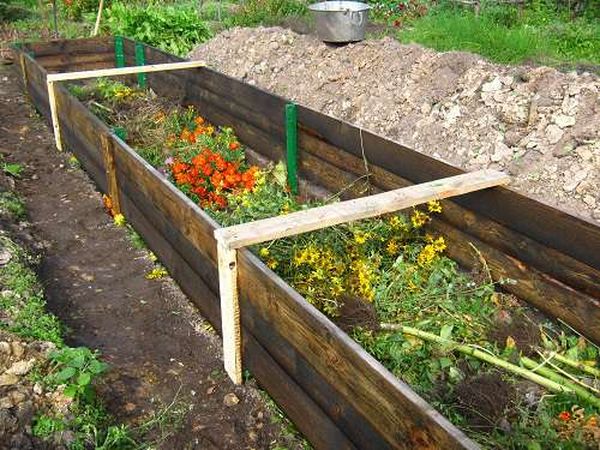
To create a garden bed like this yourself, begin by digging a trench 40–45 cm deep. Fill the bottom with sand. Subsequent layers can be separated from the cold depths using plastic bottles with caps. The plastic bottles are covered with a layer of sand, followed by branches and stumps, then wood chips, paper, turf, and manure, with the top layer consisting of good soil. Warm garden beds made from plastic bottles are no different in terms of filling than raised beds.
You can make insulated beds with high or medium sides in a trench. Gardeners say the latter method is more acceptable, so we'll focus on it. As for size, the main consideration is ease of use. Therefore, the optimal width is 1 m, and the length can be any. Avoid creating too many beds, as they will need to be moved later.
Large quantities require a lot of organic matter, and every year manure becomes increasingly exotic and scarce. Incidentally, the best option is to use horse manure, but finding it requires a lot of effort.
Start by making the box. If you want it to last longer, treat the material with an antiseptic. The easiest way is to coat it with drying oil. After cutting the pieces, assemble them into panels. Place the box on the ground, secure geotextile or thick plastic inside, and then begin filling. We'll discuss how to fill the beds below.
Hill-bed
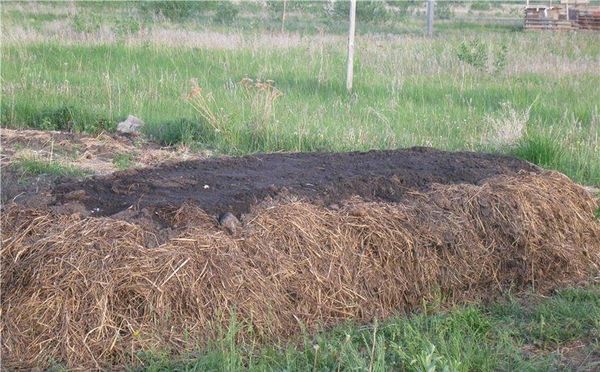
In the spring, you can create warm beds in the form of mounds without fencing. This type of bed will help retain excess groundwater. The filling can be the same as for a raised bed. This will be a layered compost pile.
Filling Features
Sawdust
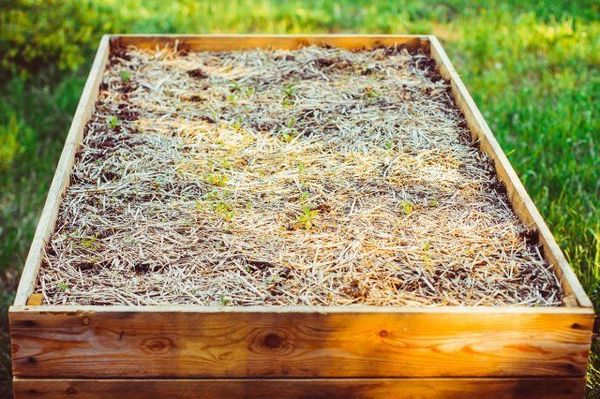
It's important to ensure water doesn't run off when creating these beds, as it's essential for rotting and increasing temperature. If you have peaty soil, a homemade sawdust warming bed will be ideal. To do this, place sawdust scalded with boiling water at the very bottom and cover it with old cloth. This layer should be watered with a potassium permanganate solution.
The second layer will be plant debris. Add some soil, chalk, and wood ash to the bottom. The third layer is a classic mixture of humus, sand, sawdust, urea, wood ash, boric acid, potassium sulfate, and zinc sulfate, taken in the appropriate proportions.
Organics
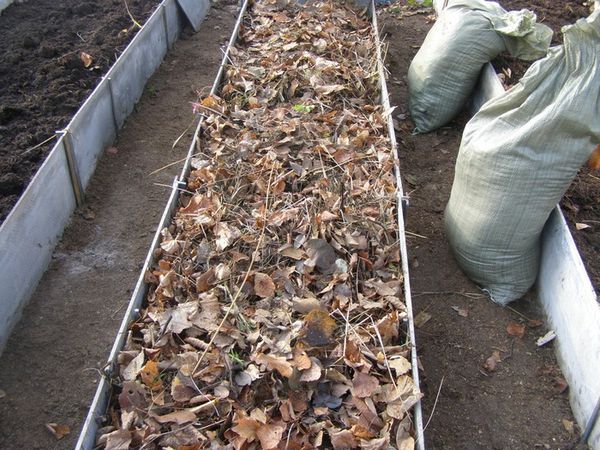
Coarse organic matter is usually placed at the bottom of the hole. This can be anything made of wood that's not needed on the farm. Wood retains moisture very well. The rule of thumb is: the coarser the organic matter at the bottom, the longer the life of the bed. The second layer is usually fine organic matter. This can include straw, fallen leaves, branches, or paper.
Compost
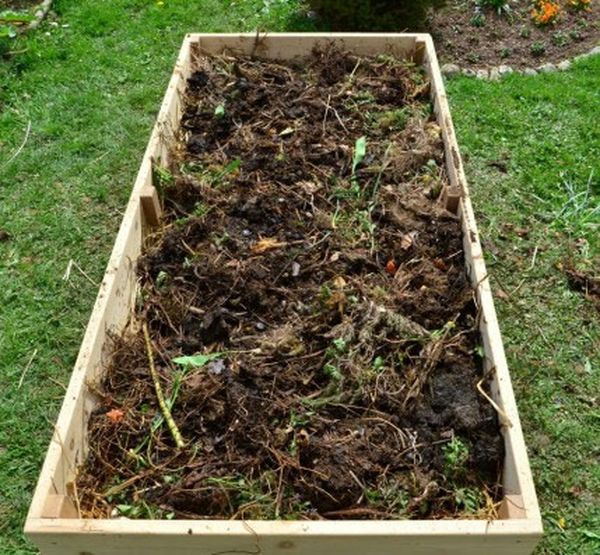
Compost is usually the third layer. It's used to speed up the decomposition of organic matter. Unripe compost or manure works well for this purpose. Next, sod is laid with the grass roots facing upward. Finally, everything is covered with finished compost.
Warm beds using Lyadov's method
Russian agronomist Igor Lyadov is opposed to the use of chemical fertilizers, as they are harmful to the environment and natural resources. His technology utilizes natural farming methods. This method cultivates the soil without the harsh chemicals, returns nutrients to the soil after growing crops, and protects the soil from sudden temperature fluctuations. Below, we'll explain how to create a warm bed for cucumbers using Lyadov's method.
A level site is prepared for construction. A structure of 0.8–1.2 m wide logs is laid on the ground. The gardener chooses the length. To protect against insects and overheating, the structure is coated with water-based paint. The logs are fastened together with screws. Cardboard is placed on the bottom to control perennial weeds and pests. Sand is added on top, followed by alternating layers of organic fertilizer and manure. The entire structure is covered with a 10 cm layer of soil.
The author's method also includes fertilizing the beds with herbal infusions, which are easy to make at home. This is the best alternative to chemicals. Vegetables grown in such warm beds are significantly superior to their counterparts grown traditionally.
What plants to plant
The average lifespan of a compost bed is about four years. In the first year, such a bed provides excellent conditions for the growth of pumpkins, cucumbers, squash, and other heat-loving plants. In the second year, tomatoes and cabbage join the rows of these garden crops.
The main thing is to avoid sowing nitrate-accumulating crops (greens, radishes, lettuce) during this time. In the third year, the insulated bed will provide favorable conditions for growing potatoes, beans, peppers, beets, and tomatoes. The fourth year is an excellent time for greens and peas. Now it's time to plant new beds, and the soil from the old ones can be added to the garden soil.
How to care for a garden bed
A heated bed can be thought of as a layered cake made of various organic materials. Before laying each layer, the previous one is thoroughly moistened. Throughout its life, the heated bed requires frequent and generous watering, as the layers should not dry out. Watering directly into the hole is not recommended, as this can cause diseases if water gets on the stems. You can insert a plastic bottle into the soil and water through a funnel.
If you made the garden bed in early autumn, you need to cover it with film to prevent wind-blown weed seeds from getting into the well-prepared soil.