
Inspection rules and repair stages for polycarbonate greenhouses
Content
The role of repairs in greenhouse operation
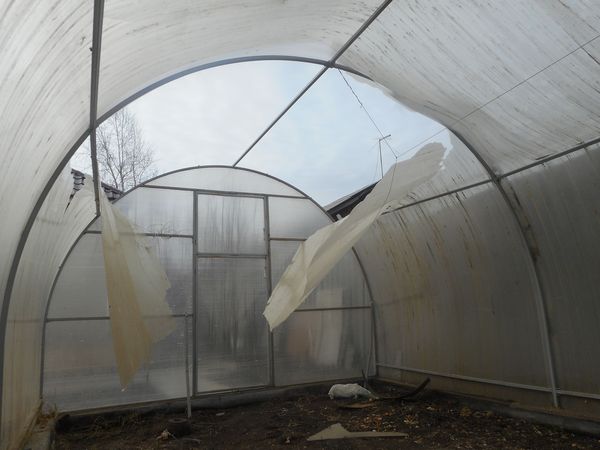
At the initial stage, any gardener believes that the most important thing is to properly install the greenhouse, ensure a strong foundation, a reliable frame, and a roof. It would seem that adhering to all these key requirements is sufficient to ensure a polycarbonate greenhouse can be used for many years. However, over time, the quality of any structure deteriorates, and a greenhouse is no exception. Therefore, it is crucial to identify and address key issues early.
Almost any domestic gardener can repair a polycarbonate greenhouse with their own hands if they wish. You don't need to hire a team of specialists to do this. If you replace the covering, seal any cracks, and repair the frame in a timely manner, your greenhouse will remain a reliable structure even years from now, ready for growing herbs, vegetables, berries, and flowers.
Video: "Greenhouse Modernization for the Season"
This video will show you how to improve your polycarbonate greenhouse for the upcoming season.
Scheduled repairs
The need to repair polycarbonate in your greenhouse arises not only if you clearly see serious defects in the structure. It's crucial to perform scheduled maintenance, meaning a thorough inspection of the structure twice a year: in the spring, before the plants begin their growing season, and in the fall, when you prepare the greenhouse for winter.
Scheduled greenhouse maintenance should include not only a thorough inspection of the frame and roofing, but also a strength check of all structural components, as well as cleaning and painting of the necessary parts. Be prepared for all greenhouse components to be inspected. It's essential to ensure the roofing is not bulging, and there are no cracks or dents.
Inspection of the foundation, frame and roof
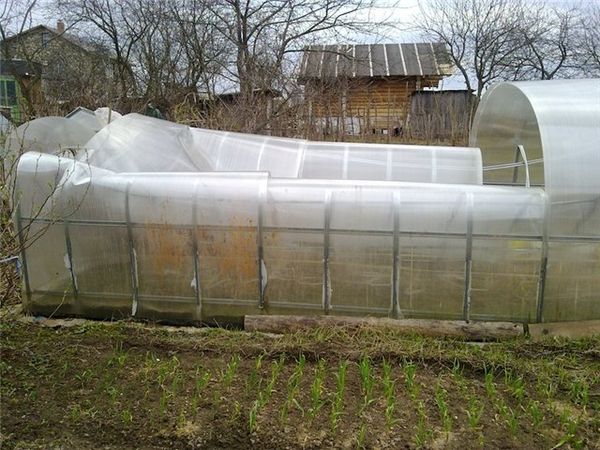
Repairs to older home greenhouses should begin with a thorough inspection of the structure. During daylight hours, wait for good light, then walk around the entire greenhouse, checking for the following:
- clouding or yellowing of polycarbonate;
- the appearance of cracks, punctures or dents in the coating;
- strength of polycarbonate fastenings;
- a large amount of moisture and dirt in small holes and on the inner surface;
- the appearance of corrosion on metal parts;
- the presence of fungal compounds on wooden components of the calf or other surfaces;
- the appearance of cracks in the foundation;
- stability of the entire building.
Identify the source of the problem and then replace old parts, repair the greenhouse so that it will serve you for a long time.
Updating the protective coating
Sometimes, excessively high temperatures can cause the greenhouse covering to bulge. This means it's time to secure it more securely or simply replace it. If a large amount of moisture accumulates inside the polycarbonate sheet, remove it from the greenhouse and then thoroughly blow it out with compressed air. After this procedure, you can safely reinstall the sheet.
Many gardeners prefer to seal cracks in the coating with sealant. However, if you are certain that the damage to the polycarbonate is truly severe, it is best to replace the sheets with new ones.
Strengthening the greenhouse
Renovating an old greenhouse isn't as difficult as it might seem at first glance. Therefore, it's important to approach the matter thoroughly. First and foremost, consider fully reinforcing the greenhouse. This is especially necessary if you built the greenhouse on your own property and don't visit it very often in winter. Meanwhile, heavy snow loads will dent the covering. The best reinforcement is T-shaped wooden supports placed inside the greenhouse.
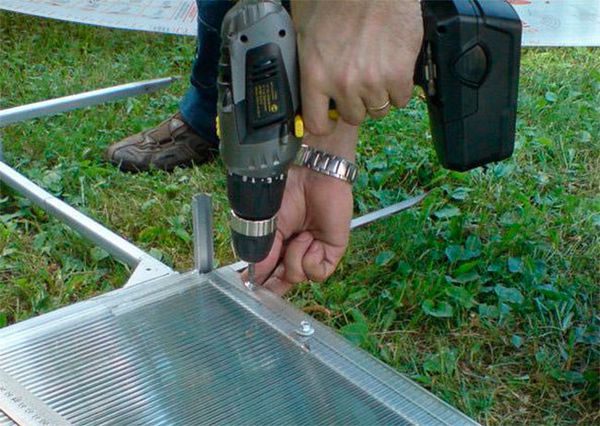
Pulling screws
Even if you carefully tightened the screws during greenhouse construction, they will begin to loosen over time. Therefore, it's recommended to tighten them occasionally. Use a screwdriver for this.
The main thing is to stick to the golden mean: the polycarbonate sheets should be carefully secured to the frame, but not so much that they sag.
Repair of greenhouse elements
You can certainly repair your greenhouse yourself. You just need to identify the problem areas and then fix them. Let's look at the specific steps involved in building a greenhouse. This way, you'll understand what's required of you.
Replacing polycarbonate
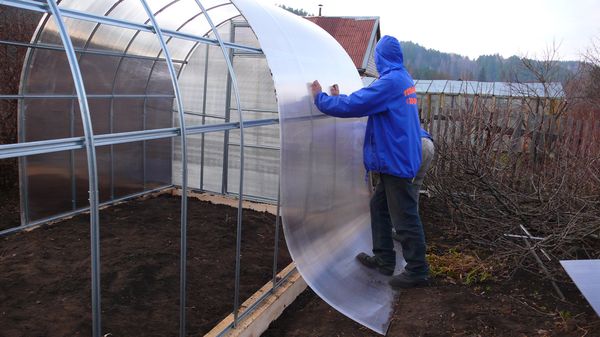
Replacing the polycarbonate in a greenhouse is crucial. This should be done if the old sheets have become significantly cloudy, yellowed, or cracked. Regardless of the type of polycarbonate you choose (cellular or polymer), be sure to install it securely. Special fasteners are available for this purpose.
Sealing cracks and punctures
If you notice cracks in your polycarbonate sheets, you don't necessarily need to replace them right away. The best solution is to seal the cracks with clear silicone sealant. This procedure should be performed step by step. First, thoroughly clean the cracks of dirt and dust. Only then should you begin sealing the cracks with sealant.
Blowing out water and dust from internal cavities
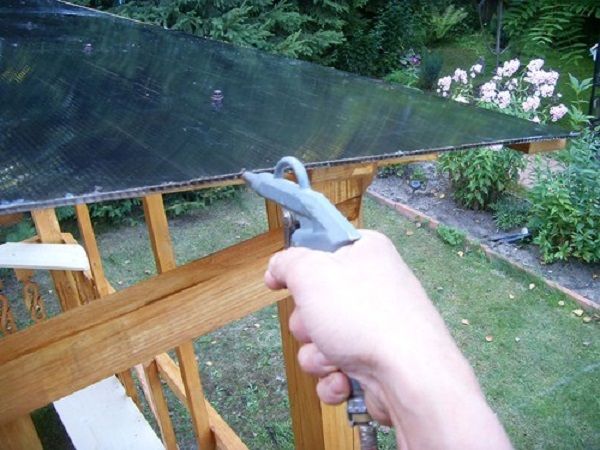
Many gardeners prefer to use cellular polycarbonate as a covering. Its structure is considered optimal for greenhouse coverings. However, over time, dirt and dust accumulate in the inner cavities of the sheets, and condensation also accumulates. All this must be blown out with compressed air. A car compressor will do the trick.
To perform this procedure, you don't even need to remove the polycarbonate sheets: just remove the fasteners from one section and feel free to blow out the internal cavities of the greenhouse covering.
Frame repair
The foundation of a greenhouse may need repair due to improper installation, improper frame alignment, or water damage. Unfavorable weather conditions can also cause deformation. If metal parts are bent, be sure to straighten them. If cracks appear in the boards, replace them or attach a new structural element nearby.
Foundation restoration
Wooden beams are most often used for the foundation of a greenhouse. However, they will need to be replaced over time. The best solution is to move the greenhouse to another location and consider a much stronger foundation. Some gardeners opt for a monolithic or reinforced foundation even during the construction phase. If cracks appear, carefully dig beneath the foundation and fill them with mortar.