
Choosing the right type of greenhouse film and covering scheme
Content
General features of film coating
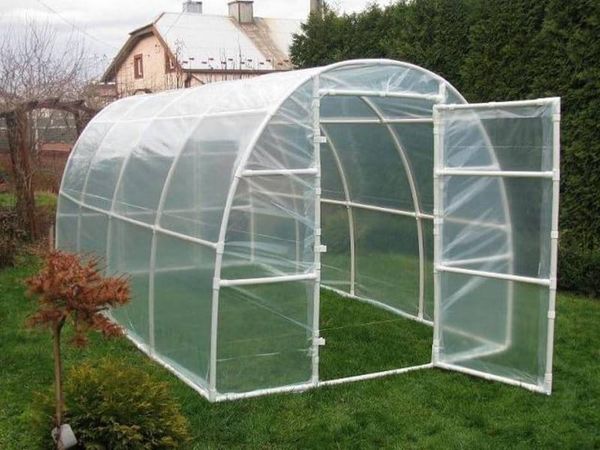
Greenhouse film is used in agriculture and construction. Many Russian gardeners have appreciated the benefits of this material and are purchasing it for their greenhouses.
The film has many advantages. It's an excellent alternative to traditional glass or modern polycarbonate. It's inexpensive and offers average light transmission. You can replace the film periodically if the old one becomes cloudy or accidentally tears.
Polyethylene film for greenhouses is considered the optimal choice if you are not ready to spend large amounts of money on covering your structure.
Video: Attaching Film to a Greenhouse Frame
This video will show you how to attach polyethylene to a greenhouse frame yourself.
Popular types
Not all gardeners can afford to cover their greenhouses with polycarbonate—it's expensive and has its drawbacks. However, the well-known film covering remains popular. Let's look at the main types so you can clearly decide which one to choose.
Unstabilized polyethylene
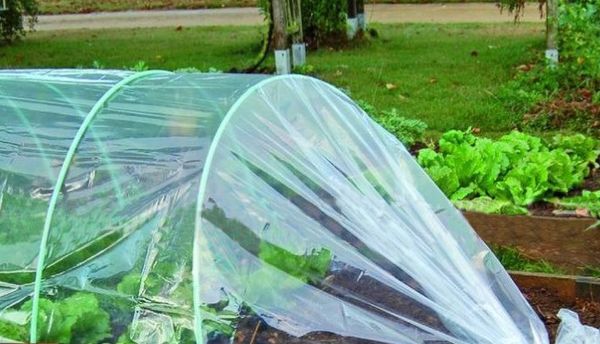
Unstabilized greenhouse film is considered the most affordable option. It's notable for being very lightweight and transparent. Attaching it to a frame is easy, even for a novice gardener.
Another key point: this material transmits light well, which is both an advantage and a disadvantage. The point is that the plants will be saturated not only with solar energy but also with ultraviolet rays.
However, knowing how to cover a home greenhouse with unstabilized film, you can easily create an acceptable microclimate for growing vegetables and herbs.
Hydrophilic stabilized
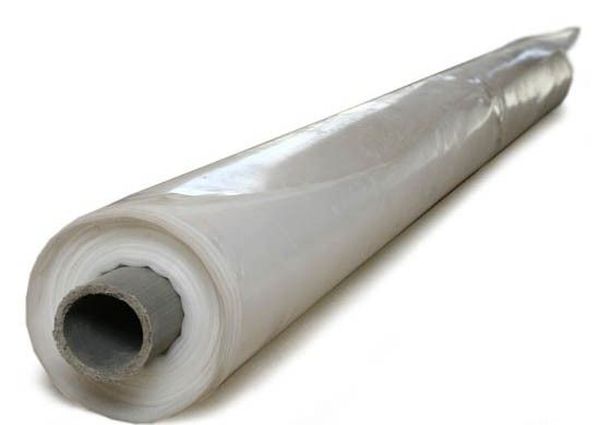
Light-stabilized greenhouse film offers many advantages, making it a popular choice among Russian gardeners for greenhouse linings. It contains additional components that make this material even more advanced. It has a long service life (this type of lining will need to be replaced after six seasons).
Among the key advantages of the hydrophilic stabilized film, the following are worth highlighting:
- high strength and elasticity;
- good thermal insulation properties;
- no condensation on the surface of the material, even after prolonged use;
- good light transmittance properties – the film does not become cloudy for a long time;
- resistance to viruses, fungi, and various pests.
Compared to the more common polyethylene film, this product will cost you a fair amount, but you certainly won't have to spend money on replacing it every year.
Heat-retaining
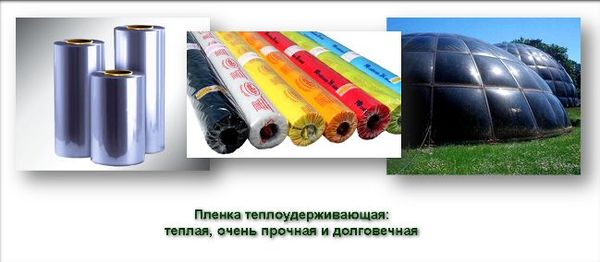
Not all gardeners know how to properly cover a home greenhouse with polycarbonate. Moreover, this material is quite expensive. There is an alternative: heat-retaining polyethylene film. It has a white tint and is primarily distinguished by its resistance to low temperatures. It also has good thermal insulation properties.
Among its main advantages is the fact that this polyethylene repellent effectively repels dirt and dust. If you want a truly bountiful fall harvest, it's worth covering your greenhouse with this material. However, keep in mind: it has a short lifespan, so it will need to be replaced after 7-8 months.
PVC film
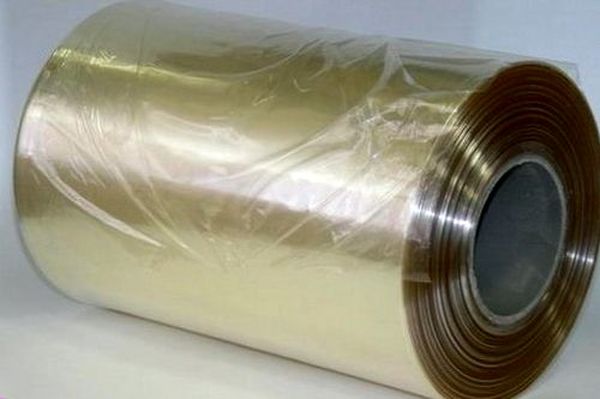
A wooden-frame greenhouse can also be covered with this material. It's considered quite durable and flexible, and will last for at least 2-3 seasons. This dense covering allows light and ultraviolet rays to pass through fairly well, but blocks infrared light. This material is worth using because even during frosts, a favorable microclimate for plants will be maintained inside the greenhouse.
Reinforced
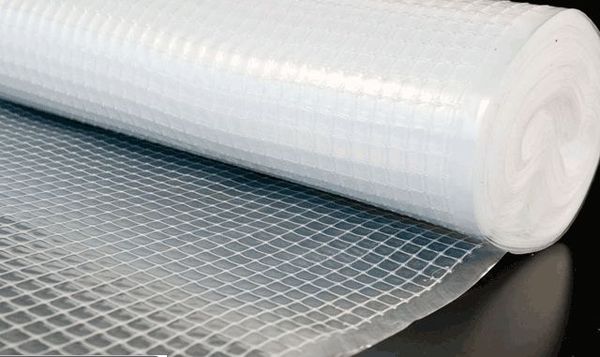
Using a reinforced polyethylene covering allows for light stabilization, as it is durable yet allows plants to receive sunlight. This covering is made of twisted polyethylene. Its main advantage is its long service life (up to 6 years). This covering can be repaired if necessary, and the reinforced film is also UV-resistant.
Ethylene vinyl acetate copolymer
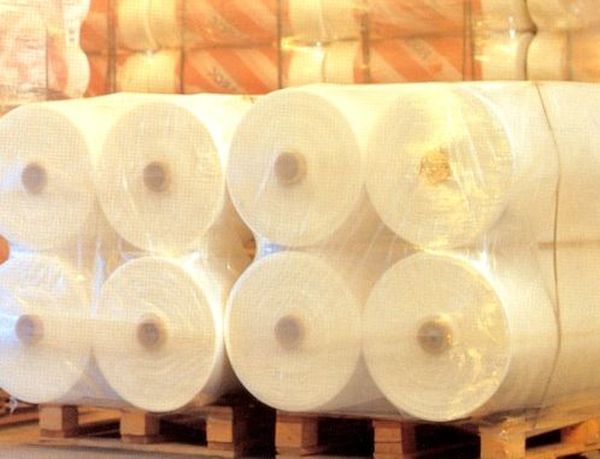
Copolymer film is considered one of the best options for your home greenhouse. It withstands low temperatures, is flexible, and is hydrophilic. It is also resistant to mechanical impact and will last a long time in your garden.
Films with additives
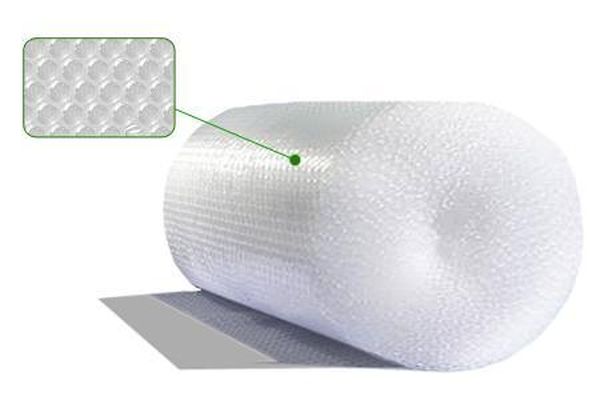
Installing greenhouse film is a responsible task, so choosing the covering material carefully is crucial. If you don't want to settle for regular polyethylene, choose a covering filled with specific components. This category includes stabilized, light-converting, bubble-filled, photodegradable, and acrylic options. Study the technical specifications of these coverings to make an informed choice.
How to choose a film
To avoid the hassle of figuring out how to cover your greenhouse with expensive polycarbonate, you can purchase any of the available film coverings. Of course, choosing the best option is difficult, as the variety of options on the market today confuses many gardeners. When choosing, focus on the most important characteristics. The film you purchase should be affordable, practical, and reliable. It's also ideal if it's UV-blocking.
Instructions for covering a greenhouse with film
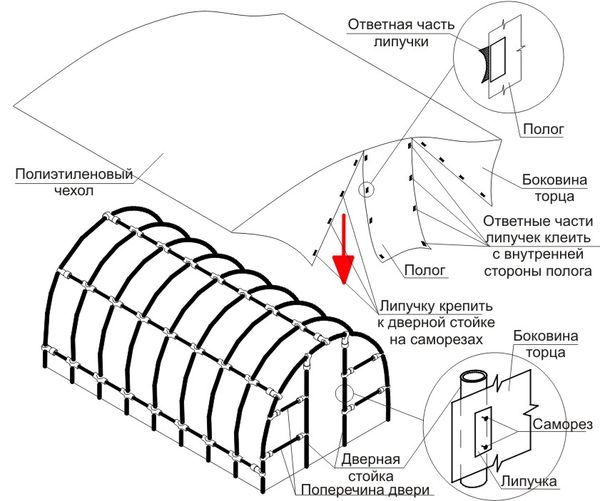
If you've chosen greenhouse cellophane over reflective polycarbonate, now's the time to study the step-by-step installation instructions. Stretching and securing the film to the roof is easy; the key is to have the necessary fasteners. Once the greenhouse frame is assembled, stretch the film and secure it at the edges with fasteners. Follow the basic expert recommendations for selecting and installing the film, and covering your perennial greenhouse will be a breeze.