
Should the greenhouse be sealed for the winter?
Content
Pros and cons of closed greenhouses
Many novice agronomists, when preparing a greenhouse for winter for the first time, wonder whether it's necessary to close it for the winter. Experienced specialists note that proper preparation of a greenhouse for winter determines not only the condition of the structure upon arrival of spring but also the yield of crops planned for the next growing season.
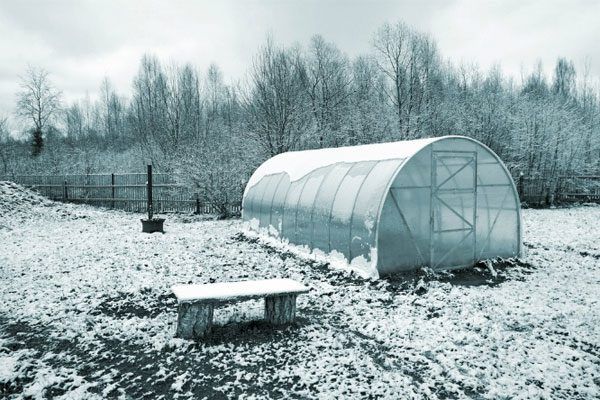
When asked whether a greenhouse should be closed for the winter, each agronomist has their own opinion. Opinions are polarized: some insist the greenhouse door should be kept closed during the winter, while others believe that a high yield depends on good ventilation during cold weather, and therefore the greenhouse should be left open.
To reach a consensus on whether or not to close your greenhouse for the winter, it is recommended to carefully study and weigh the pros and cons of each option.
Those who advocate closing the greenhouse for the winter argue that winter actively enriches the soil with beneficial microelements if the soil is treated and mineralized with special complex additives beforehand. A closed space creates a comfortable atmosphere that helps preserve the fertile properties of the substrate. Some gardeners note that opening the greenhouse will cause the soil to freeze deeply, which will negatively impact its fertility.
A greenhouse closed in winter promises a lot of trouble when spring comes. Agronomists will need to ensure adequate soil moisture: either manually cover the entire soil surface with snow or thoroughly water it with meltwater. This procedure is essential for normal plant growth and development.
Another disadvantage of closing a greenhouse for the winter is the lack of fresh air. A room sealed for the winter prevents air circulation, resulting in mold and mildew on the polycarbonate walls in the spring.
Heavy snowfalls can cause roof collapse. As you can see, greenhouse structures require proper maintenance even in winter. If you can't be nearby, you should periodically visit your property to clear snow from the roof and ventilate the space.
Video: "The Pros and Cons of Snow in a Greenhouse"
In this video, an expert will explain whether or not you should cover your greenhouse beds with snow in winter.
Pros and cons of an open greenhouse
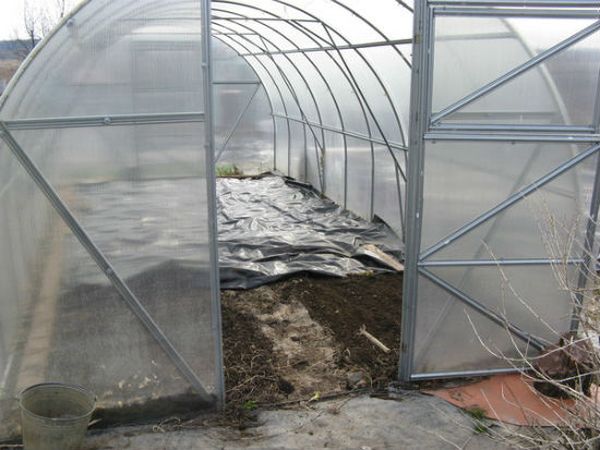
Why is it better to leave the greenhouse open in winter, you ask? As proponents of this method point out, the soil in an open greenhouse rests and is naturally disinfected.
Being as close to natural conditions as possible has a beneficial effect on the soil. Snowfall that falls inside the structure provides excellent soil moisture. During severe frosts, the soil in the greenhouse freezes, killing bacteria, microbes, and pathogens that cause various fungal and viral diseases. During the thaw, the soil warms up and becomes enriched with beneficial microelements and vitamins.
With the arrival of spring warmth, the soil has rested, renewed, and is ready for planting new fruit and vegetable crops. High yields can be expected in such soil.
Opening a greenhouse for the winter does have some drawbacks. First and foremost, it's important to mention possible structural damage. Such problems most often occur in regions prone to strong winds and hurricanes. To avoid damage to the greenhouse frame or sheathing, prepare for winter. First, remove all plant debris and thoroughly clean the interior surface. Then, you can begin securing the opening elements.
Some companies that manufacture and sell ready-made greenhouse structures offer gardeners systems tailored to the specific needs of a particular region.
Whether or not to open the greenhouse is up to you. But be prepared to welcome new "tenants" in the spring, who will settle into a sheltered spot protected from wind and snow. These include stray cats, dogs, and other animals.
Conclusions
After weighing all the advantages and disadvantages of both a closed and open greenhouse for the winter, each gardener must make the best decision for themselves.
Whether or not to close a greenhouse for the winter is a question that has no definitive answer. First and foremost, it's important to consider the weather and climate conditions of a particular region. Northern regions are characterized by harsh winters, severe frosts, and heavy snowfalls. The southern region enjoys a milder climate, but these areas are known for strong and gusty winds. Residents of the Rostov Region and Krasnodar Krai, for example, know that opening a greenhouse for the winter is impractical and even unsafe, as strong gusts of wind can damage or completely destroy the greenhouse. This is especially important for agronomists whose greenhouse structures are located on elevated or open terrain.
Each gardener decides for themselves whether to close the doors of their polycarbonate greenhouse for the winter. If your plot is located far from where you live and you don't plan to visit your dacha often in the winter, it's best to close the greenhouse.
Leaving a greenhouse open is only possible if the owner of the garden plot lives in close proximity and has the ability to quickly close the windows and doors of the greenhouse structure in case of unfavorable weather conditions.
Please note that any greenhouse structure requires proper maintenance during the winter period: regular roof cleaning, additional reinforcement of the frame, and secure fastening of doors and vents.