
How to regulate temperature and other parameters in a greenhouse
Content
Why is temperature control necessary?
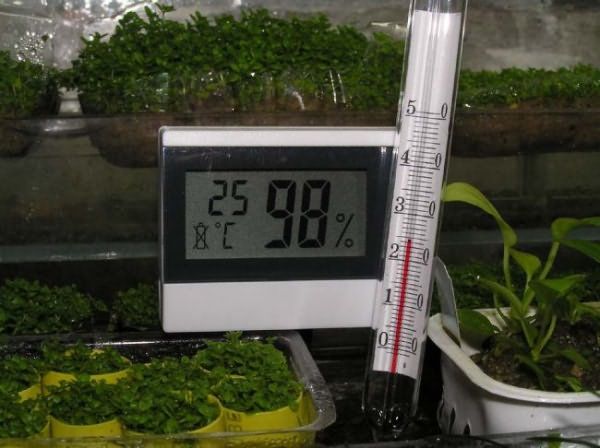
Some regions of Russia have short summers, so it's best to grow tomatoes and cucumbers in greenhouses. If the vegetables are sick or developing poorly, the cause is most likely improper temperature conditions.
If you decide to build a polycarbonate greenhouse, it's important to know how to regulate the temperature inside to ensure even heat distribution throughout the day. If the temperature fluctuates (due to the soil freezing or overheating), the greenhouse itself becomes unnecessary.
Overheating causes the plant to grow rapidly or even completely "burn out." When the air temperature drops, the plant cannot obtain the nutrients it needs from the soil and absorb them effectively.
If the greenhouse maintains an optimal temperature regime, the crops grown will grow properly and develop fruit, which will ripen faster.
Video: "Automatic Ventilation for Greenhouses"
This video will show you the benefits of automatic ventilation for greenhouses.
Types of regulators
Automatic
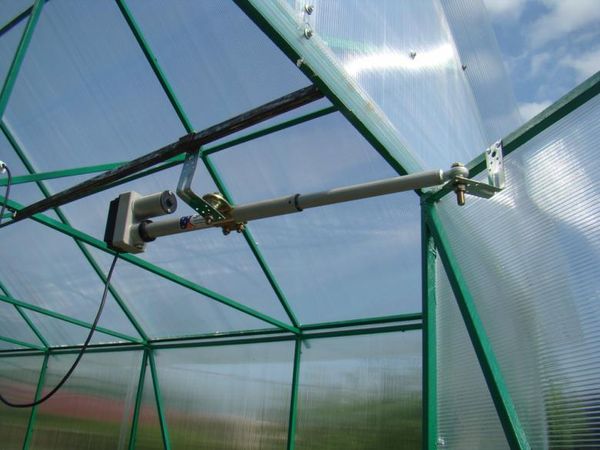
There are devices that automatically regulate the temperature in a greenhouse. When installing an automatic device, it's important to select the right lighting and soil composition. It's also important to calculate the required humidity level.
For proper development and successful growth of plants, ventilation is necessary. The question of how greenhouses will be heated should be considered at the planning stage.
In the age of innovative technology, the hassle of providing heat has become a secondary concern. Thermostats are excellent at maintaining temperature without human intervention. Now you no longer need to worry about curtains for shading, installing fans, and heaters.
An automatic thermostat will maintain the desired temperature in your garden for a week without your presence, while using little electricity. Today, precise temperature control can be maintained using electronic thermostats for greenhouses. They respond instantly to the slightest changes in the system.
Touch-sensitive temperature control in a greenhouse allows you to set a specific temperature at different times and precisely schedule operation. A simple thermostat operates as follows: the device processes readings from the sensors that regulate operation and sends a signal to the heating system. This triggers the system to heat or cool.
Mechanical
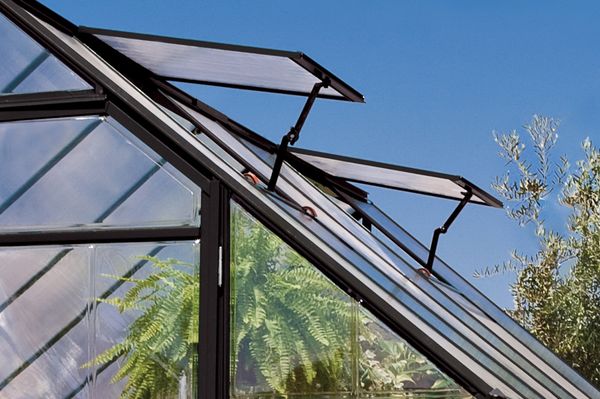
A mechanical thermostat is a device whose primary function is to regulate the operation of equipment to maintain a specific temperature. It can be used in both heating and cooling modes. This thermostat is a self-contained unit that is installed in the greenhouse.
Methods of changing temperature
Promotion
There are simple ways to increase the temperature in a greenhouse. For example, you can cover the greenhouse with another layer of polyethylene. This creates an air pocket that is not exposed to environmental influences.
Another method is to install a secondary greenhouse. An additional covering is attached to the existing structure, covering the surface of the plants.
The greenhouse's polyethylene covering will attract additional heat to the plants if the soil layer is mulched. To quickly raise the temperature, you can use water heated to 30°C. A thermostat is included in the system for regulation.
The temperature in a greenhouse can be raised in winter by increasing air humidity. The key to success remains the use of a high-quality thermostat. Soil heating in winter is provided by a cable. A thermostat is integrated into the system, and the relay is set to the desired temperature level, preventing fluctuations.
Demotion
To lower the temperature, the following methods are used:
- the length of greenhouses should not be very large;
- free access of air from outside through the gables should be ensured;
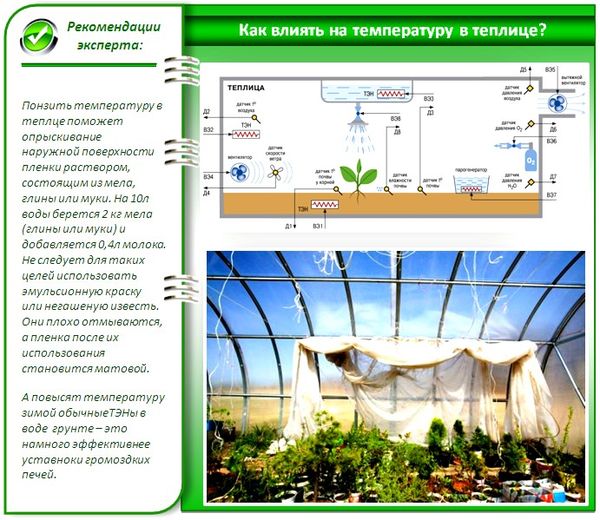
- the greenhouse is treated with a special chalk solution;
- In the morning, all plants are watered well;
- They use special reed mats and white shields that are impermeable to infrared radiation.
If the greenhouse temperature is maintained automatically, you can open the vents immediately after the thermostat gives the appropriate command.
Greenhouse humidifiers help maintain the microclimate in a greenhouse. They address issues with high temperatures and low humidity.
Optimal temperature
Daylight Saving Time
In summer, using humidification systems increases evaporation rates, which cools the air. Daytime temperatures in the greenhouse should be between 16 and 25°C. This depends on the plant variety being grown. Temperature directly affects plant growth. A 10°C increase in temperature will result in active growth. The difference between day and night temperatures is crucial. It shouldn't be too large, otherwise the plant may become diseased or even die.
Winter time
In winter, underfloor heating is effective in maintaining the correct temperature. Using humidifiers in the greenhouse during the winter months prevents plants from dehydrating.
Air humidity and ventilation regulation
To ensure the well-being of greenhouse plants, in addition to optimal temperature conditions, it's important to monitor air quality. This primarily involves humidification and ventilation, which reduces carbon dioxide levels in the air.
Using humidifiers not only optimizes temperature and humidity but also injects fertilizers into the greenhouse atmosphere. Relative humidity in greenhouses must be maintained at a specific level, determined by the crop variety being grown and the specifics of the growing process.
Humidification systems require a filter for cleaning, a control sensor and protection.
In cold weather, a greenhouse can handle its primary function, but in summer, a fan for indoor greenhouses should be considered. The simplest ventilation method is through a doorway. If the greenhouse has two doors, a draft will result, which is absolutely not recommended for vegetable crops.
For a small polycarbonate greenhouse, doors and a few transoms can provide the necessary microclimate for plants. A larger greenhouse, however, requires forced ventilation with vents installed at regular intervals.
You can create ventilation in a polycarbonate greenhouse yourself. Install a hygrometer and thermometer in the greenhouse. Monitor the readings and manually open and close the vents. This is the simplest and cheapest DIY ventilation method. You can also make simple devices and set the room's ventilation to automatic mode.