
How to treat a polycarbonate greenhouse in autumn
Content
Reasons for the procedure
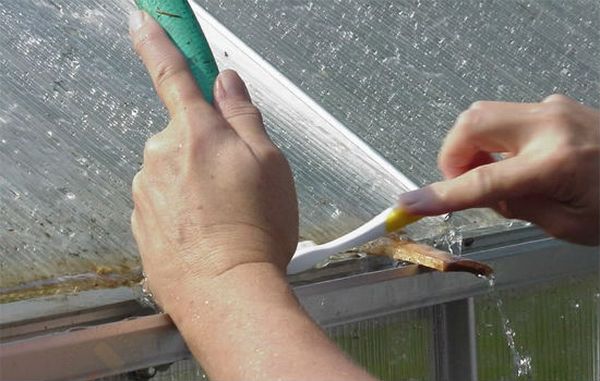
Before we explain how to treat a polycarbonate greenhouse, we should explain why such work should be carried out.
Scheduled sanitary disinfection can prevent a number of problems. This includes preventing the appearance of mold and fungal spores, pathogenic microorganisms, pathogenic bacteria, and pests in the spring. Without treating the frame structure, polycarbonate covering, and soil inside the greenhouse, it is impossible to protect plants from diseases such as late blight, blossom end rot, fusarium, and brown spot. And also insects such as slugs and spider mites, which can harm the health of cultivated crops and even cause their death.
Video: "How to Treat a Greenhouse for Pests in the Fall"
This video will tell you how and with what to treat a greenhouse in the fall.
The main stages of processing
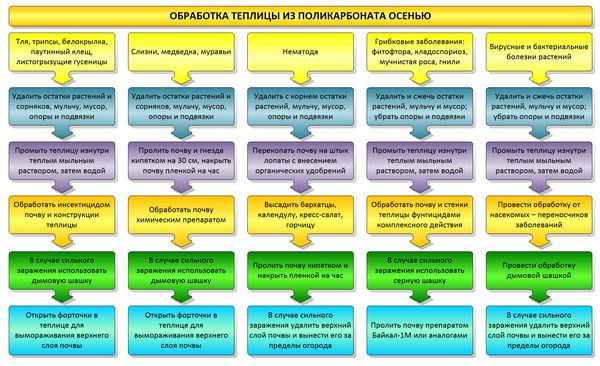
To complete all disinfection procedures before winter, that is, in the fall, it is necessary to divide the work into stages.
The first step is to remove garden tools from the work area. Next, inspect the wooden structures. The next step is to remove debris from the beds, meaning any remaining crop residue. This debris should be removed and then burned, as recommended. Many gardeners use the resulting ash as an excellent mineral fertilizer.
Next, remove dirt and dust. To do this, inspect the seams and joints of the structure, removing any leaves or grass that are found. Use a stick or vacuum cleaner to remove plant debris. Failure to do so creates a favorable environment for the growth of harmful microorganisms and the emergence of parasites.
After this, the surface of the greenhouse structure must be disinfected, using Bordeaux mixture or a special antifungal and anti-insect product. When performing this work, be sure to wear protective clothing and a respirator.
The soil is also being prepared for planting – it should be disinfected with special agents.
How to process
If you don't want to use chemicals, you can grind up some regular laundry soap and add it to a container of water. Use the resulting solution to wash the walls inside the greenhouse structure. However, disinfecting a polycarbonate greenhouse is usually done in the fall with chemicals or biological products. However, the latter is preferable for the spring.
Below we will discuss in detail each of the popular methods for preventing diseases and pests.
Sulfur checker
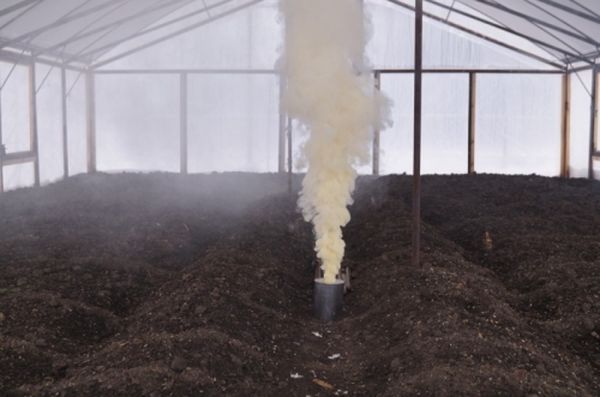
Smoke bombs, which are recommended for disinfecting greenhouses, must be used with extreme caution, as the sulfur dioxide released during combustion is very harmful to metal parts.
Before beginning the procedure, be sure to wear goggles, gloves, a respirator, or even a gas mask to protect your health. Doors and windows should be tightly closed, and any cracks sealed. Firebrands should be placed around the perimeter of the structure on stone stands or sheets of metal. It is recommended to light them from the side furthest from the entrance.
Since the smoke bomb emits a toxic gas, it is important to leave the room and not to stand in the smoke. The consumption of the substance per 10 cubic meters is approximately 600 g.
Cuttings of sulfur
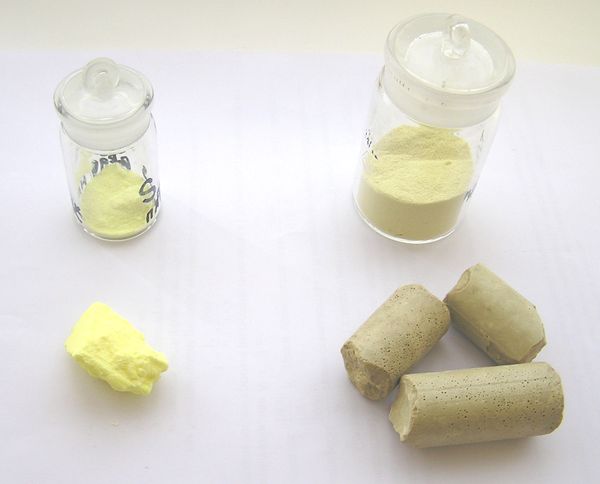
In addition to sulfur candles, a special sulfur cutting is also used for modern polycarbonate greenhouses. The safety precautions for fumigation with this product are the same as for sulfur candles. For 10 cubic meters of area, you need 1 kg of the product, along with old metal basins and baking sheets.
The sulfur is crushed, and charcoal is added. The resulting mixture is placed in containers around the perimeter of the structure, which must be vacated after the fire is set. The structure can be reopened after about a week.
Bleach
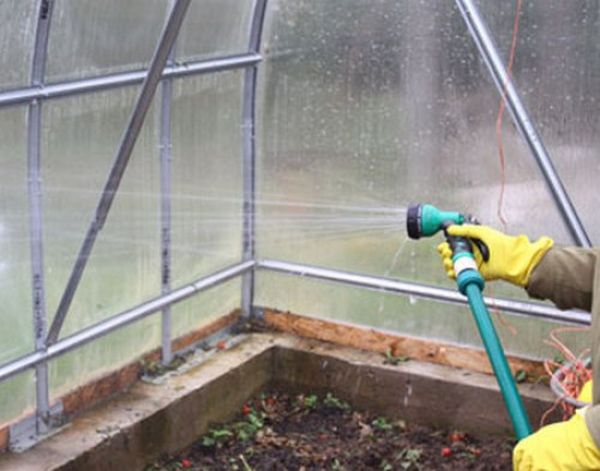
To prepare a working solution using bleach, dilute 400 g of the solution in 10 liters of water and let it sit for about 4 hours. A spray bottle is convenient for spraying the soil, structure, and work equipment. After this procedure, keep the structure closed for several days and then thoroughly ventilate.
Copper sulfate
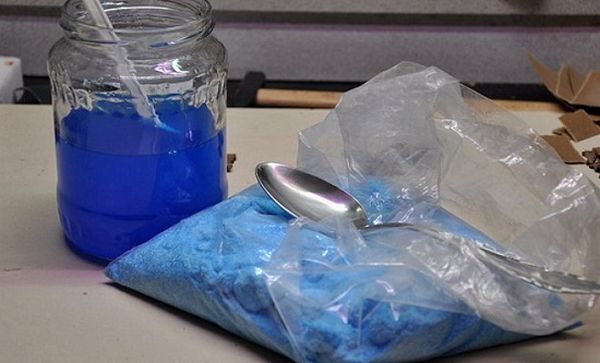
Another excellent remedy is copper sulfate. It's easy to prepare a solution for treating your greenhouse with copper sulfate. Simply take 75 grams of the solution (if your plants haven't had any diseases this season) or 150 grams (if there have been outbreaks of common diseases) and add it to 10 liters of water.
The prepared solution is poured into a special spray bottle, from which the greenhouse structure is sprayed.
How to process
To prevent diseases and pests, you need to know how to properly improve the soil, as well as protect the greenhouse body and structure itself.
Garden beds
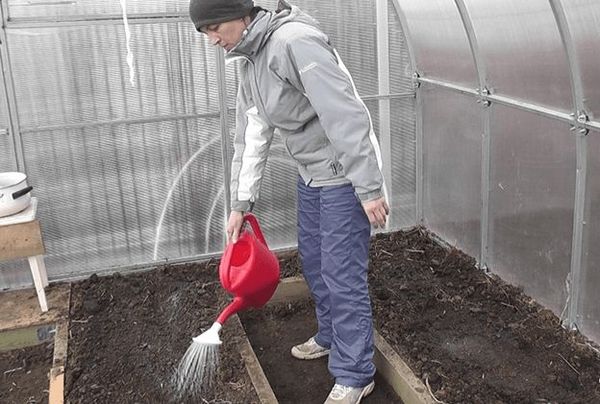
First, remove seeds and plant debris from the beds. Larvae can be eliminated by sifting the soil with a special seeder. In winter, a layer of snow placed on top will protect the beds. In the spring, replace the topsoil by about 7 cm. It is recommended to replace it with fresh, non-greenhouse soil. After these manipulations, it is essential to loosen the soil.
Disinfection of greenhouse soil is done with a solution of potassium permanganate. A solution of Nitrafen is also suitable. It is recommended to use a carbation solution only on pre-dug soil, as it will need to be dug again afterward. Some gardeners prefer to water the beds with boiled water and then cover them with plastic.
Now you know how to properly improve the soil in your greenhouse. It's also a good idea to fertilize it with peat, compost, or manure in the spring.
Body and structures
The frame to which the material is attached should be inspected for rust or other damage that could compromise the stability of the structure. If mold or rot is detected, it's best to remove them, and treat the remaining surfaces with a mixture of slaked lime and a special painter's adhesive.
If there is rust on the metal surface, it must be treated and painted. For washing the frame components, it is recommended to use a regular soap solution, which must be removed with a damp cloth or sponge afterward.
To avoid damaging the surface of the material, only non-abrasive, safe cleaning agents are used for the body and structure, both inside and outside.