
Is pumpkin a berry, a fruit or a vegetable?
Indeed, pumpkin has been known to humanity for so long that it's difficult to pinpoint its origin. Some researchers believe it came to Europe from China, while others point to South America, or more precisely, the territory of modern-day Brazil. There are many contenders for the ancestral home of this crop, which is now grown in every country on every continent, except perhaps Antarctica.
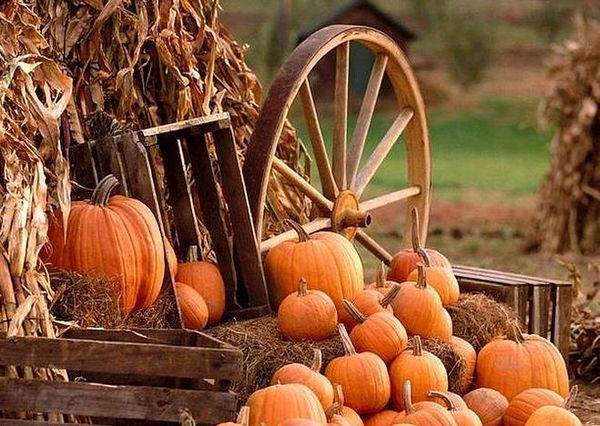
Brightly colored, shaped, and sized fruits contain a huge amount of vitamins, micro- and macroelements, and are included in children's and dietary menus. They enrich our body with folic and nicotinic acids, vitamins, and minerals (including selenium, which protects against cancer), making us stronger, healthier, and more beautiful. We boil them, fry them, marinate them, bake them, and prepare savory and sweet dishes with them. Whether we use their names correctly is of little concern to anyone.
People usually use culinary names without delving into the intricacies of names, but if the question arises, it's worth considering it from different perspectives. To understand what a pumpkin is, you need to understand the terminology. We're used to thinking of vegetables as growing in the garden, and berries as growing on trees or bushes in the orchard.
Dictionaries almost agree with this popular view. V. I. Dahl's Explanatory Dictionary classifies all vegetables whose tops or roots are edible as pumpkins. All gourds are herbaceous plants, but we eat their fruits, not their leaves or roots. So, is pumpkin a vegetable or perhaps a berry?
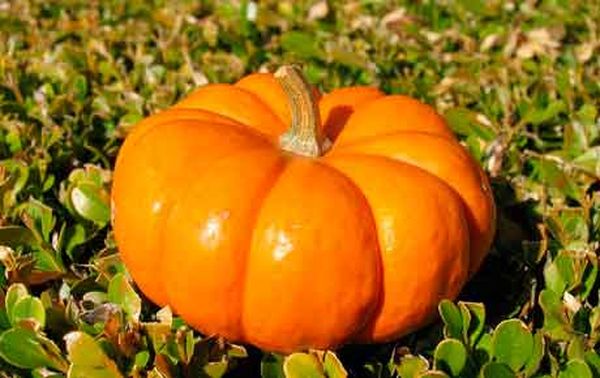
The Brockhaus and Efron dictionary uses this term to describe garden fruits and greens used for food. This fruit is called a pumpkin; its hard skin conceals a pulp containing seeds. This, in turn, is a description of a berry. Therefore, it's simply impossible to determine for sure whether what's growing in our garden is a berry or a vegetable. First, we need to agree on how to view this fruit—that of a gardener, a cook, or a botanist.
It's also worth mentioning the word "fruit," which is commonly used to describe juicy fruits. They differ from berries in size. They say you can't pick up a fruit with two fingers, nor can you fit it whole in your mouth. Apples, pears, oranges, and tangerines are usually considered fruit. And our wonderful pumpkin—is it a vegetable or perhaps a fruit? But this is more of a layman's term; botanists don't use it. They consider it a berry, like a watermelon or a tomato, but everyone else calls it a vegetable. This is a purely terminological dispute.
For a gardener working in a vegetable patch, or for a cook who only deals with ripened fruits in the kitchen, a pumpkin is a vegetable. The scientifically correct statement, however, is that a pumpkin is a berry.
Video: "The Health Benefits of Pumpkin"
This video will tell you about the health benefits of pumpkin.